A NEW HOPE
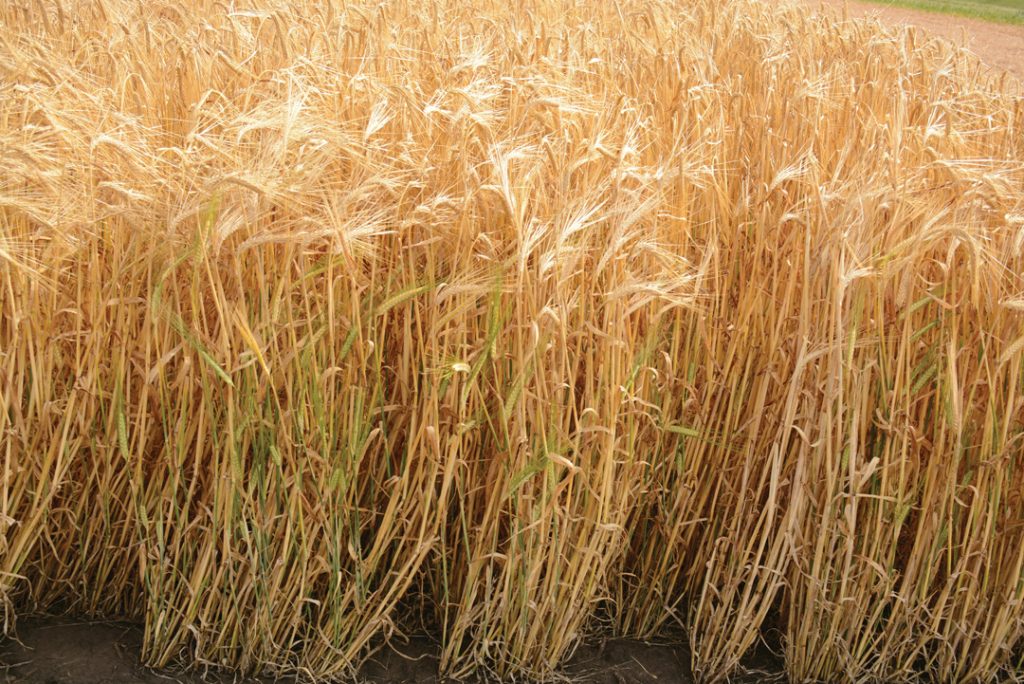
TR19655. No, it’s not the name of a robot from the latest Star Wars movie. Rather, it’s the newest two-row malting barley variety developed by the Field Crop Development Centre (FCDC) at Olds College.
Founded by Alberta Barley, Alberta Canola, Alberta Pulse Growers and the Alberta Wheat Commission, Team Alberta Crops was formed to elevate the influence of Alberta’s farmers in key agricultural policy areas. Focused on four priorities—improved market access, reduced regulatory hurdles, increased global competitiveness and continued sustainability—Team Alberta Crops advocates on behalf of Alberta farmers.
It is a valuable livestock feed, food ingredient, beer component and is even used to lower blood pressure, but if barley loses its market, farmers will feel the economic pressure. After Huawei CFO Meng Wanzhou was arrested in Vancouver in 2019, China banned two major Canadian grain trading companies from exporting canola seed to that country. While the three-year prohibition was lifted in May of 2022, it left the barley sector to question its own trade relationship with China. Could Canada be next? If so, what then?
“Is it really necessary to spray in all cases?” It’s a question posed by Brent Puchalski, a molecular plant pathologist. Up to 75 per cent of all fungicide application is either off target or worse, has no target, he warned.
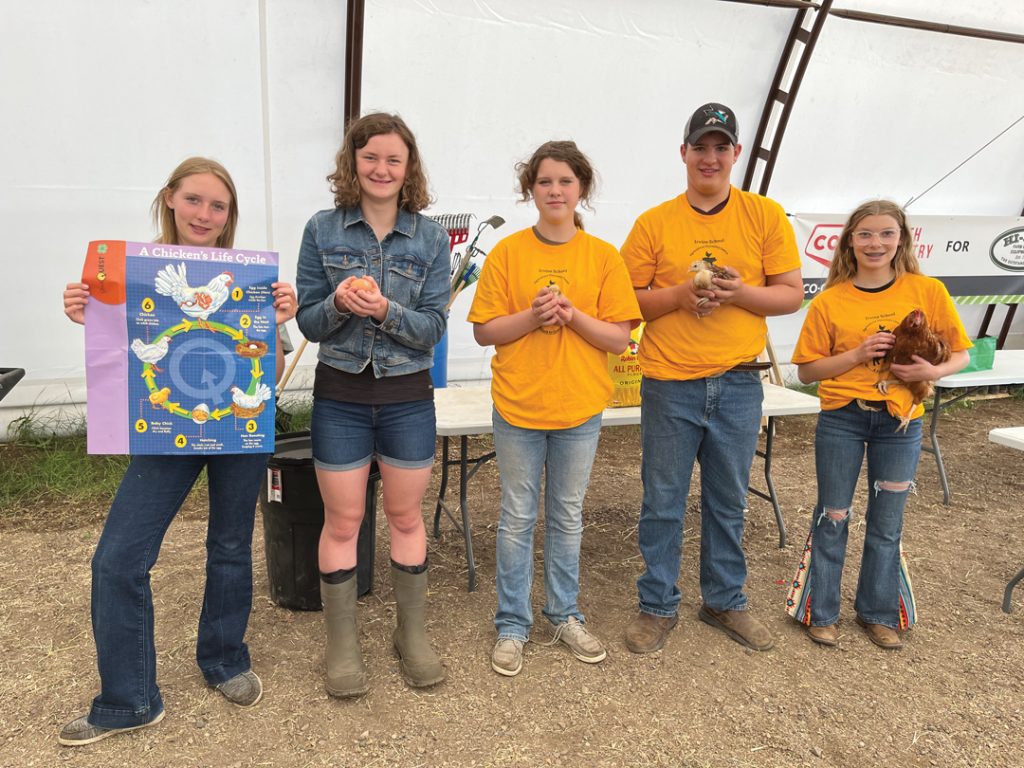
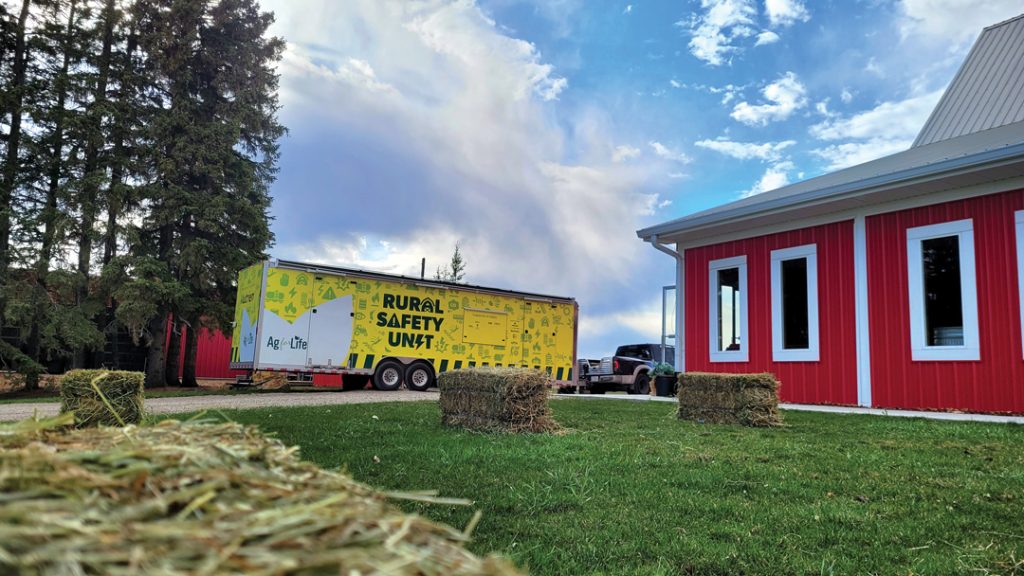
Given consumers often know little about where food comes from, Medicine Hat area farmer Nichole Neubauer felt she needed to offer agricultural assistance to her local school system.
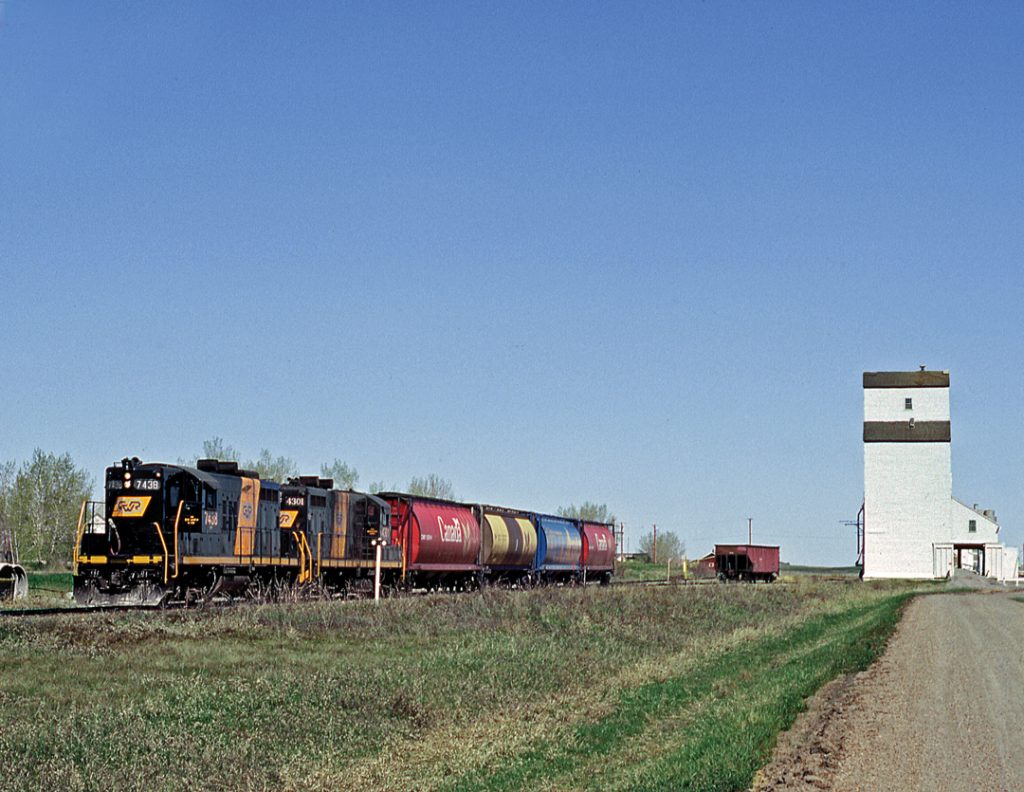
At its Stettler station, as many as 24,000 passengers per year board Alberta Prairie Railway train excursions powered by its vintage diesel and steam locomotives. Winter and summer, trips include a stop at Big Valley or the line’s Country Hideaway, an old-time amusement park and meal facility. Not so long ago, the line transported grain as the Central Western Railway.
They would rather munch a pernicious pest than deliver a speech, but beneficial insects may be a valuable public relations ally for farmers.
Karen Tanino, a University of Saskatchewan plant sciences professor, and master’s student Ariana Forand, investigate how plants withstand multiple stresses such as heat, drought, cold and disease. The results of a study they recently completed could be used to help plants better withstand stresses caused by climate change and disease.
University of Missouri plant scientist Ron Mittler has discovered a new way to measure stress in plants using signalling molecules called reactive oxygen species (ROS). His work is especially timely given the challenges farmers face due to variable climates and extreme weather events. The results of Mittler’s work could be used to increase plant resilience in the face of environmental stress.
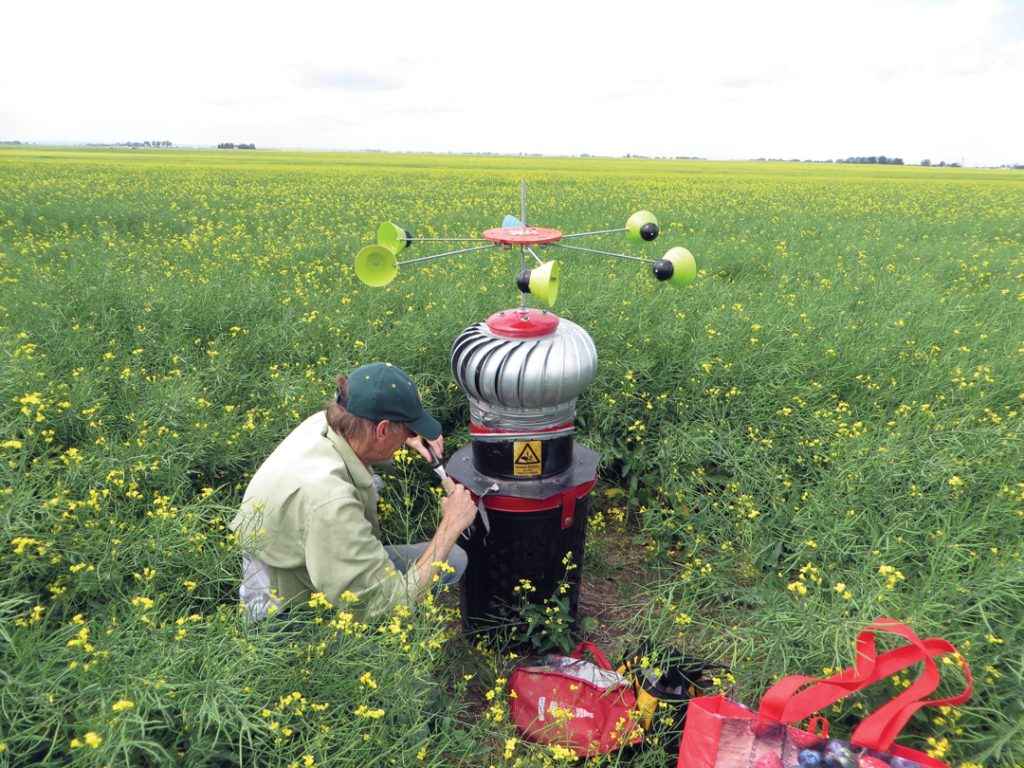
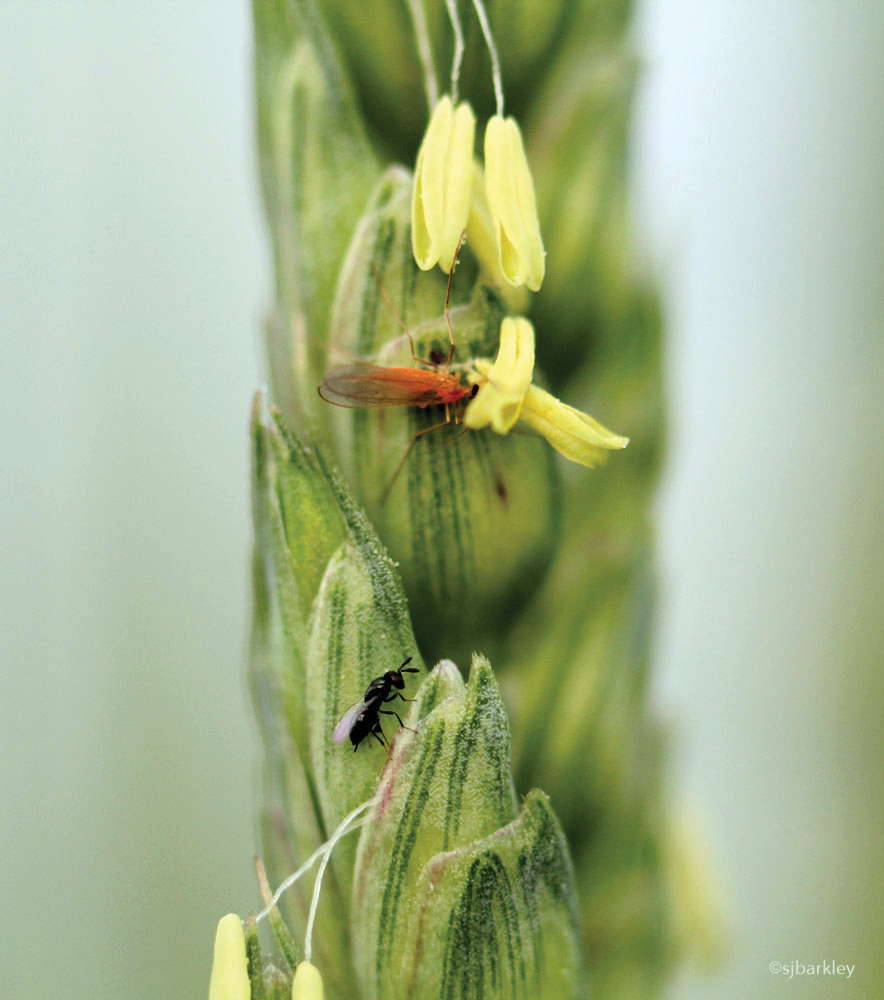
Does it pass the smell test? In an effort to protect wheat from one of its most virulent pests, researchers are gauging the reactions of the tiny insect to the scent of thousands of varieties.