


ACCELERATION OF INNOVATION
Agriculture experts say a new data-sharing initiative unveiled by Genome Alberta, Genome BC and RDAR could dramatically speed up the translation of research into real world impact on the farm.


Agriculture experts say a new data-sharing initiative unveiled by Genome Alberta, Genome BC and RDAR could dramatically speed up the translation of research into real world impact on the farm.

As a researcher and administrator, Sheri Strydhorst knows how to produce results, and in October was hired as research program manager for crops WITH Results Driven Agriculture Research (RDAR). RDAR is a farmer-led, not-for-profit corporation with a 10-year budget of $370 million. In support of projects across the value chain from farm to store shelf, its central priority is to boost farm productivity, profitability and competitiveness.
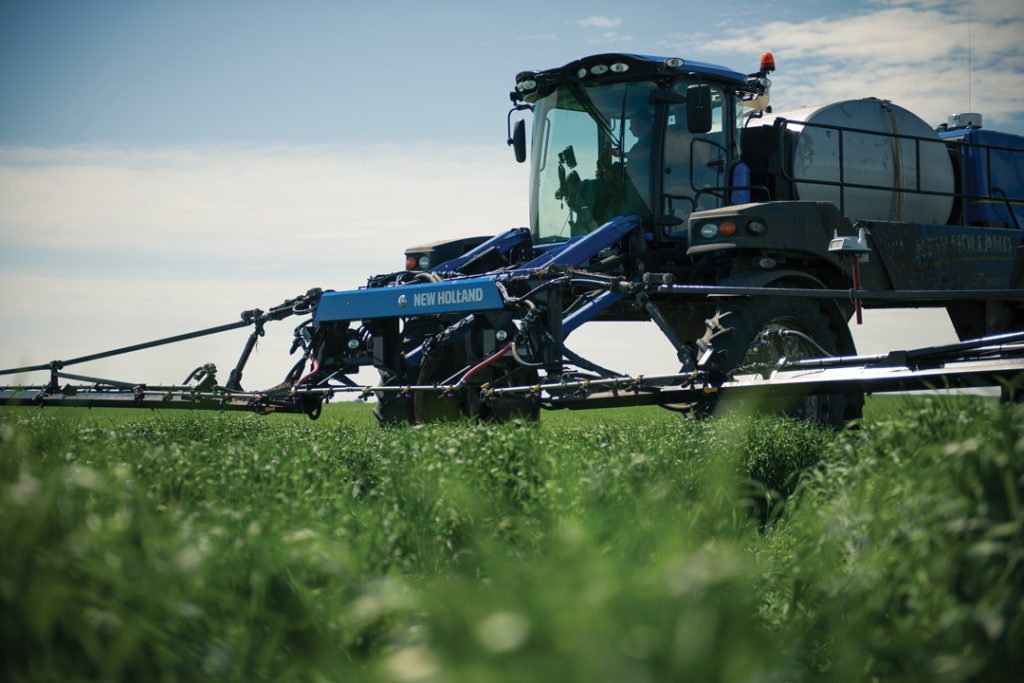
The annual growth rate of Canadian agricultural productivity stood at or near two per cent from 1991 to 2010, according to a Farm Credit Canada (FCC) report released in December 2023. Since 2011, productivity growth has slowed and stands at just one per cent where it is projected to remain for the rest of this decade.
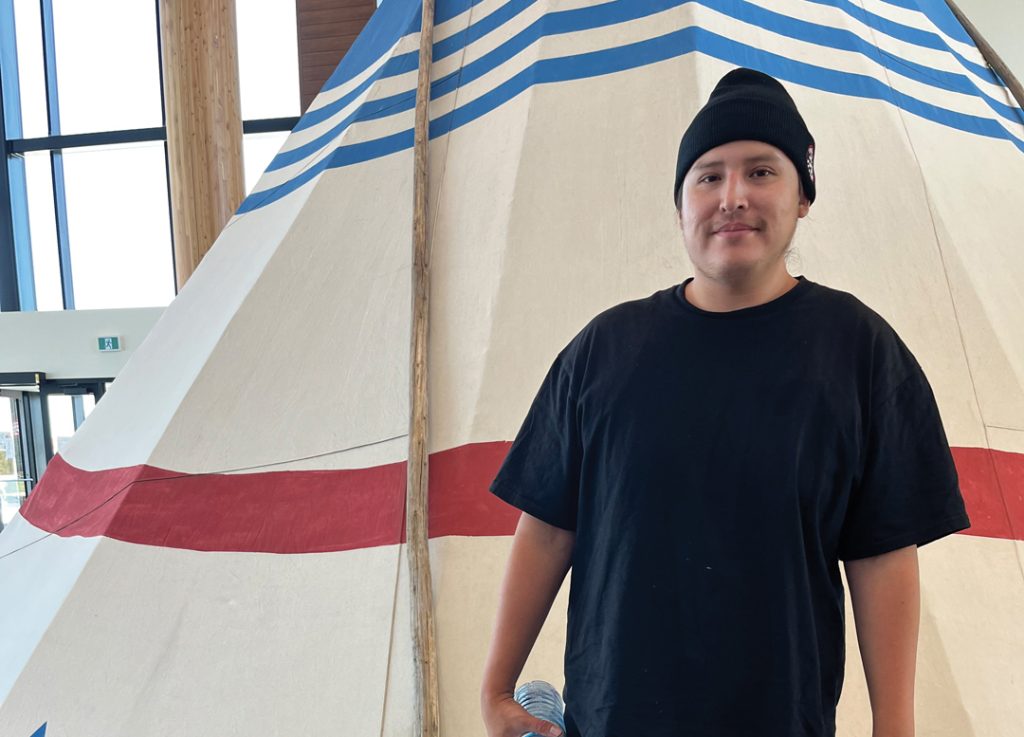
A member of the Blackfoot Confederacy, the Kainai First Nation, also known as the Blood Tribe, is seriously committed to education, and agriculture is a main component. On a hot, late-July day, staff, students and community members gathered near Red Crow Community College in its expansive community garden.
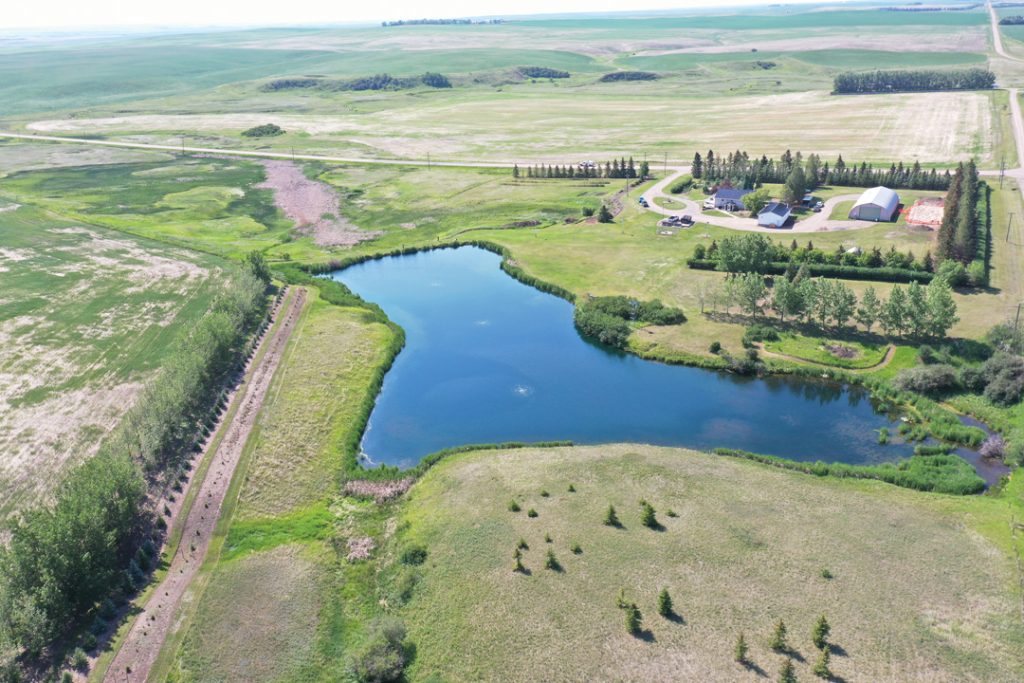
Team Alberta Crops conducted a three-year, $1.5-million project to measure pesticide concentrations on farm wetlands. The organization’s commission members, product manufacturers and Results Driven Agriculture Research provided funding.
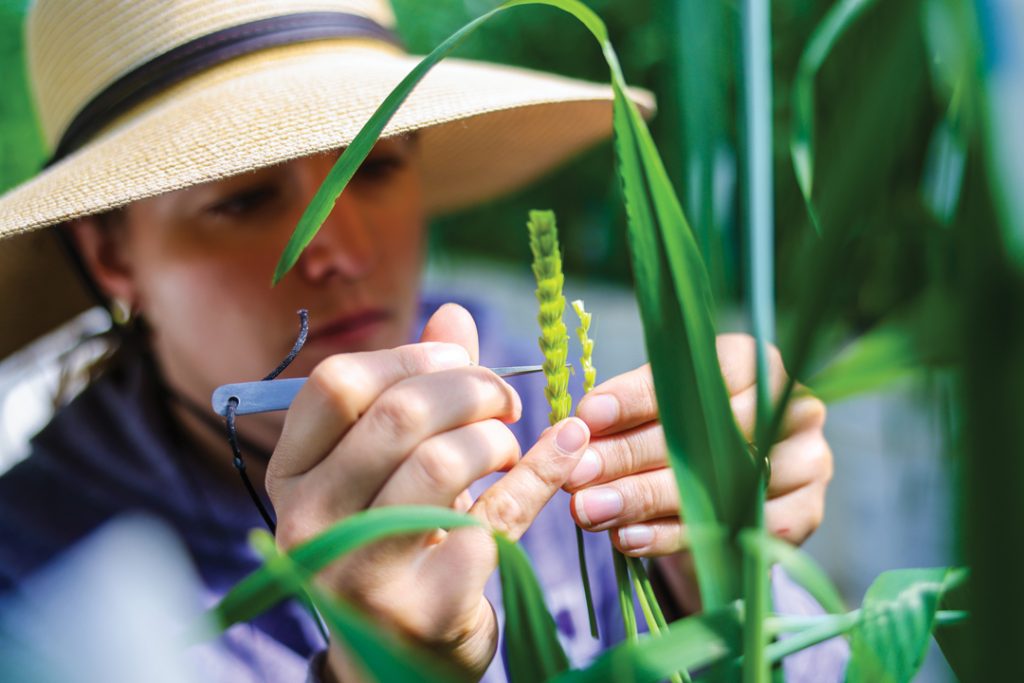
It is a time of transformation for the Field Crop Development Centre (FCDC) in Lacombe. Owned and operated by the provincial government since its establishment in 1973, the facility is now managed by Olds College, where staff have been tasked with a reimagination of the Centre’s feed and forage barley, malting barley and triticale breeding programs.
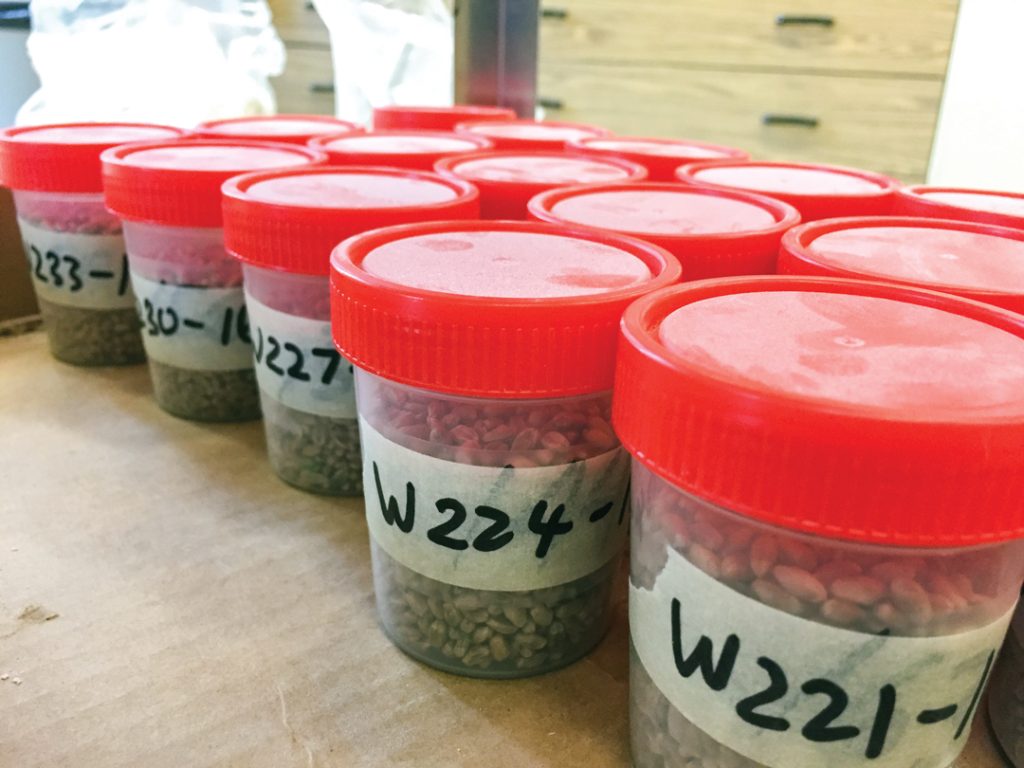
Unpredictable weather and fall uncertainty in recent years have seen farmers harvest early and rely on grain dryers to handle crops with markedly high moisture levels. With this near-dependence on drying, they are constantly on the lookout for methods to improve their financial return.
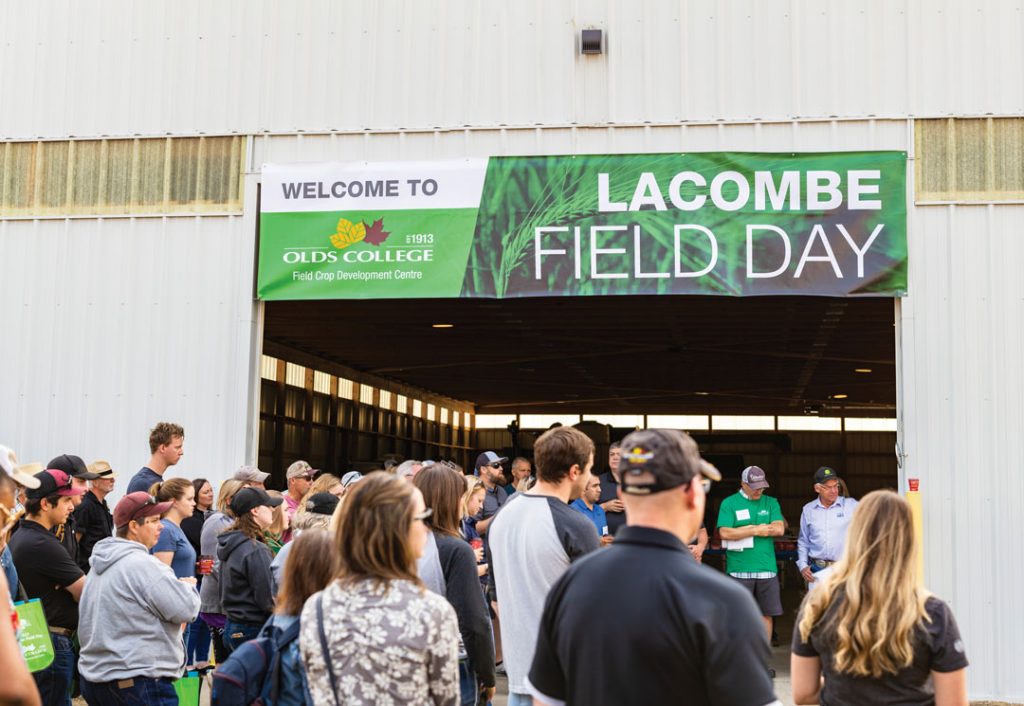
When Olds College assumed management of the Field Crop Development Centre (FCDC) from Alberta Agriculture, Forestry and Rural Economic Development this past January, management and staff jumped into action. The College took on the support of FCDC breeding programs and amalgamated those employees into its own team. Over the course of just nine months, the College also developed a new strategic direction for the venerated crop breeding institution. In September, its board of governors approved the draft plan for the new strategy. Over the coming months, the College will develop a rolling three-year business plan that will put the new guidelines into action.
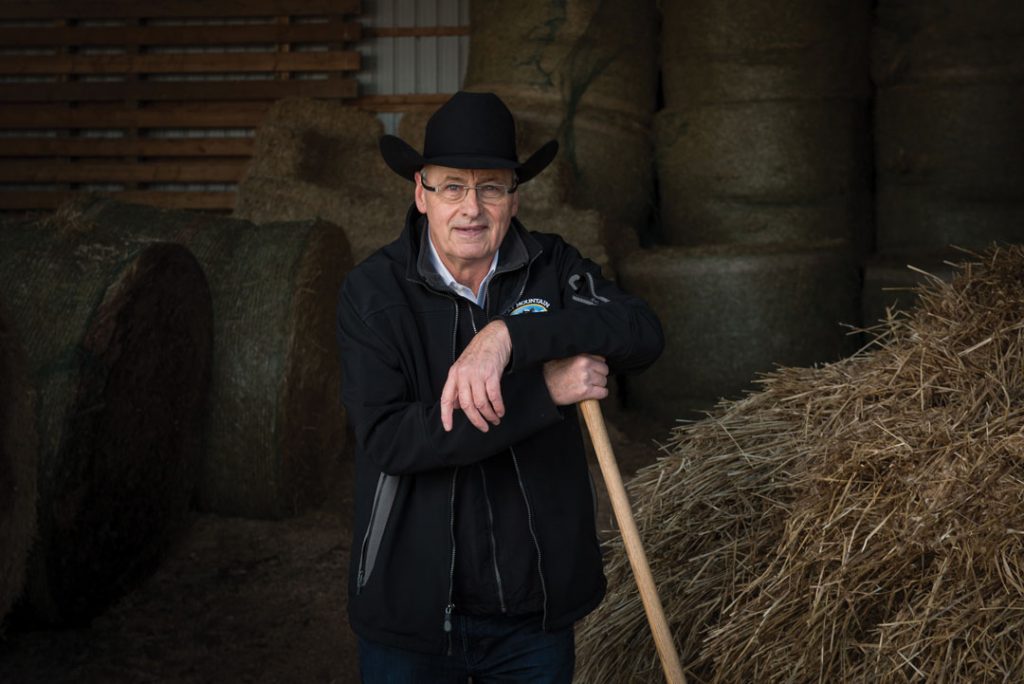
Dave Chalack has brought his decades of agricultural experience to the position of interim board chair of the newly formed Results Driven Agriculture Research (RDAR). The organization embodies Alberta’s fresh direction in grant allocation.
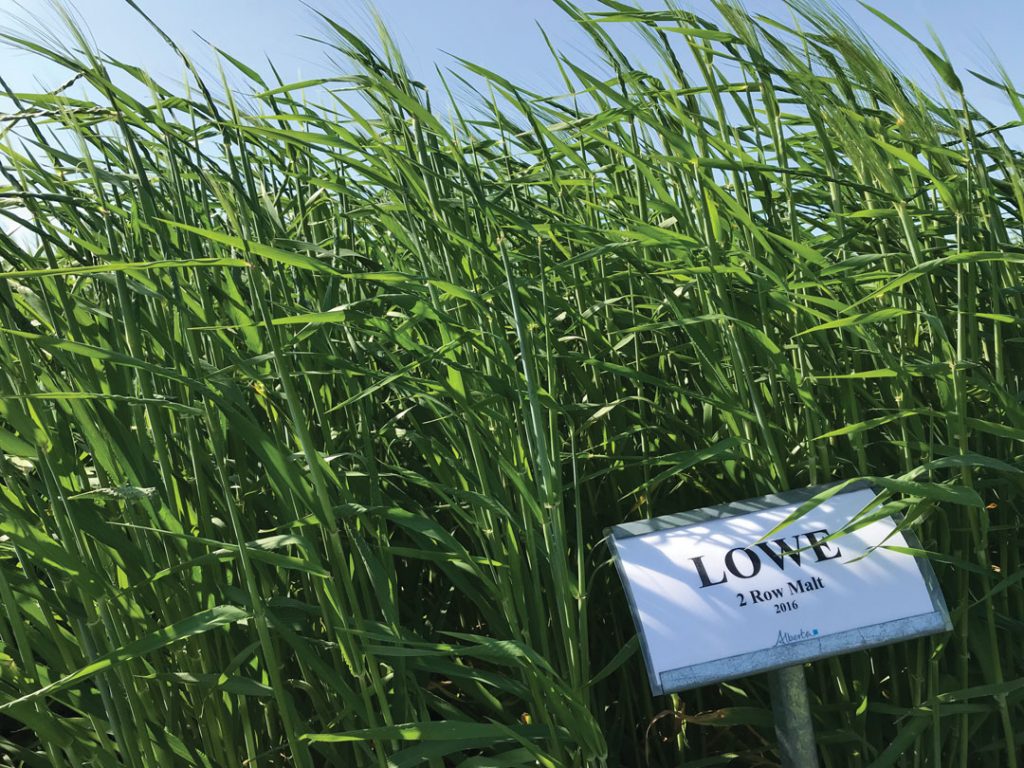
As part of the implementation of Results Driven Agriculture Research (RDAR), the Alberta Agriculture and Forestry (AF) Field Crop Development Centre (FCDC) in Lacombe will come under the management of Olds College.