Most read

Columns

TRIPLE HEADER

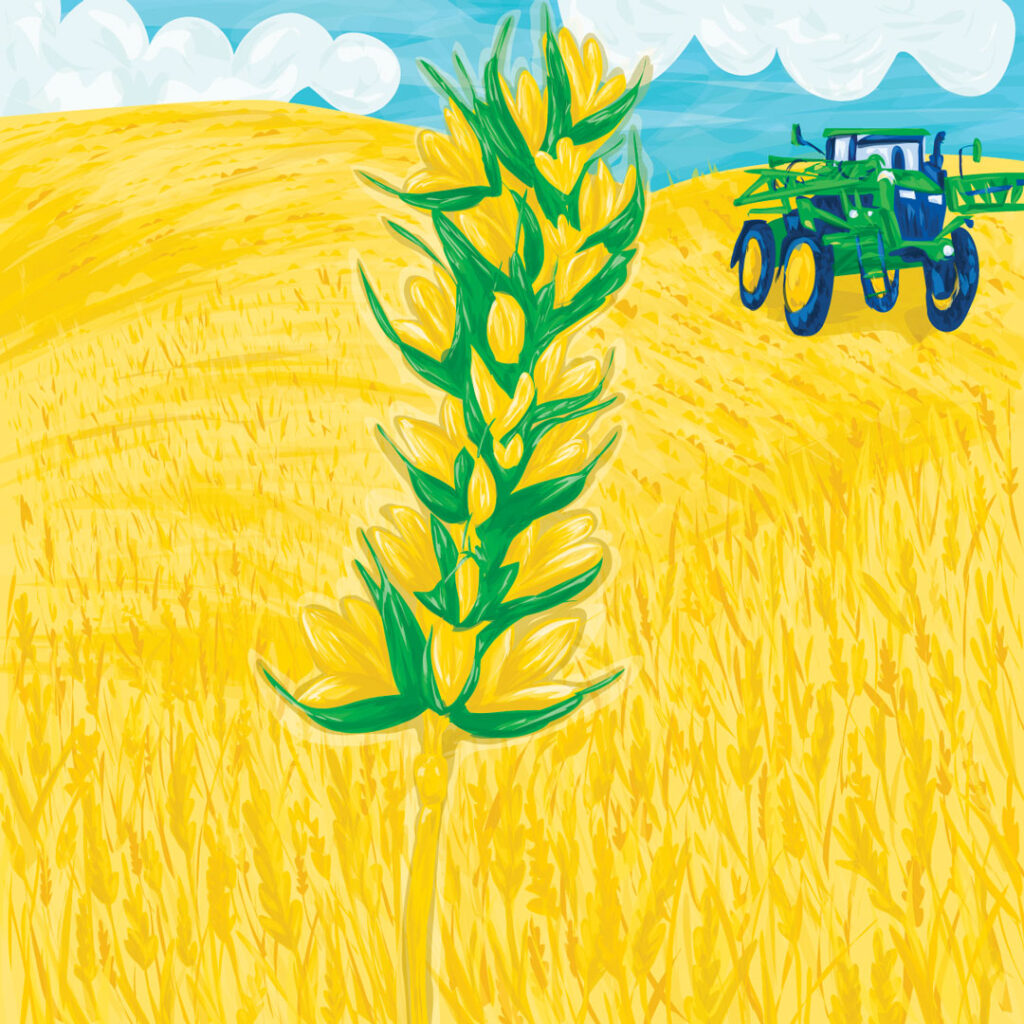
Vijay Kumar Tiwari didn’t expect to become a hero in the eyes of wheat farmers. But since he and his team at the University of Maryland in Washington, D.C., identified a gene mutation capable of tripling the number of kernels on a head of wheat, the postcards have rolled in. He has received handwritten notes from farmers cheering him on. “They’ve said, ‘We’ve heard the news, and we are really excited about it.’ Hopefully it translates into farmers’ fields,” said Tiwari, an associate professor of wheat breeding.


Keep Reading
CROP RESEARCH HEADS WRONG WAY

A year ago in these pages, Grain Growers of Canada (GGC) warned that the country was losing ground on crop research. Public investment was declining, competitors were investing more aggressively and farmers were being asked to do more with fewer tools. We called on the federal government to reinvest in the science grain farmers rely on, because productivity growth keeps Canadian grain competitive.

Keep Reading
EXPORT OPPORTUNITY INCREASES

Emerging markets tend to have a few things in common: an increase in population, urbanization and changing diets with a growing demand for wheat-based foods. As Canadian grain farmers, you know the value of diversified markets. That’s why Cereals Canada wants to continue to open new doors for Canadian cereals, meet growing demand and create more opportunities for you the farmer, exporters and the value chain. 

Keep Reading
KEEP YOUR SOIL ALIVE

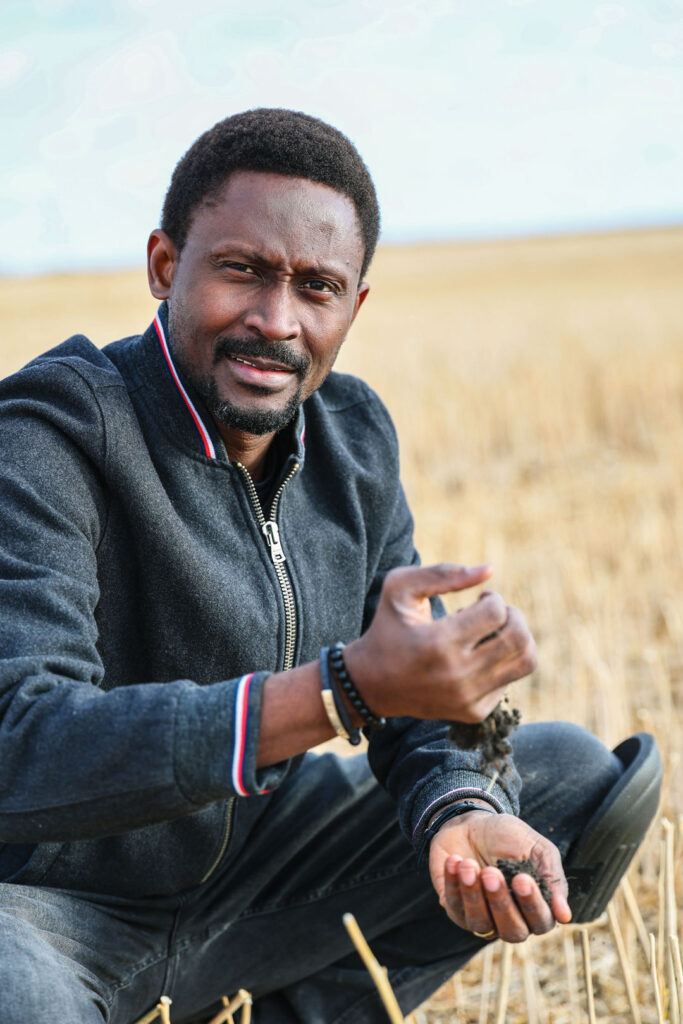
We often treat soil like it’s just dirt, but it’s so much more. It’s the source of life in many ways. Healthy soil is a living, breathing ecosystem that serves as our planet’s most vital capital. The health of soil, often termed “dynamic soil quality,” is a measure of its response to agricultural management and climate change. A single handful of healthy earth contains billions of microbes that work in permanent, silent partnership with plants to cycle nutrients, filter water and capture carbon. For farmers, this living network drives yield and resilience; for the public, it secures our food supply and stabilizes our climate.

Keep Reading
NAKED LAUNCH

Hulless, or naked, barley refers to varieties in which the loosely adhered outer hull is removed at harvest. In Canada, these have typically been developed for the food sector with special attributes such as high fibre or anthocyanin content. Eleven two- and six-row hulless food varieties are currently registered in Canada. Breeders have also developed hulless malting barley varieties.

Keep Reading
PIGMENT APPEAL

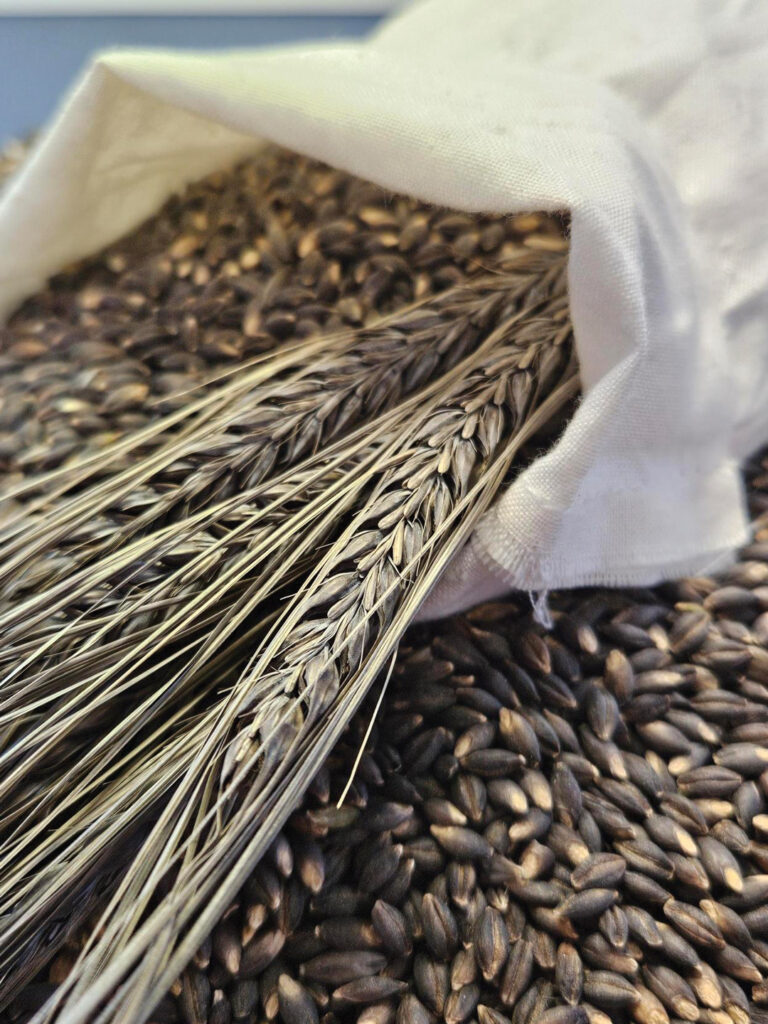
A new hulless food barley variety dubbed “black caviar” is now available for seed companies to license. Produced by a breeder at the Agriculture and Agri-Food Canada Brandon Research and Development Centre, the currently unnamed HB23150 will be available to farmers in two to three years once it is licensed, registered and propogated.

Keep Reading
HIDDEN FIGURES

In markets, no plan can control time. There is a marketing adage that in the long run, we’re all dead. Broadly speaking, the longer the time frame, the greater the market uncertainty. By its nature, farming is challenged by both liquidity and time concerns.

Keep Reading
TAKE IT TO THE TOP

Launched in 2001 to co-ordinate agricultural groups, the Grain Growers of Canada (GGC) is a farmer-led organization that shapes federal decision-making. Taking farm perspectives to Parliament, the organization affects how grain is grown, moved and sold. As GGC marks 25 years as the national voice for grain farmers, its work has never been more necessary. The grain sector is under pressure on several fronts, from trade access to the systems that move grain and support innovation.

Keep Reading
CANADA’S WHEAT BRAND AMBASSADORS

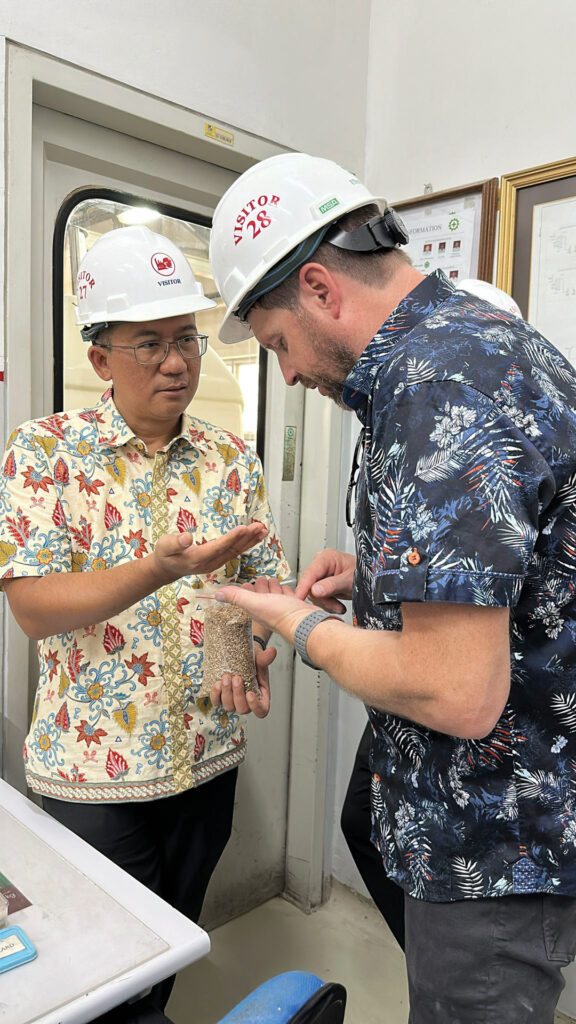
When a Canadian farmer sits across from a miller in Colombia, Japan or Morocco to explain how they manage grain quality from seeding to harvest and storage, it changes the conversation. Last fall, farmers from Alberta Grains, Grain Farmers of Ontario, Manitoba Crop Alliance and SaskWheat travelled to core wheat markets to talk about their production practices. They put a face on the Canadian wheat brand and built the trust that keeps buyers coming back.

Keep Reading
POTENTIAL PROFIT IN SOIL DATA

Olds College Centre for Innovation (OCCI) at Olds College of Agriculture & Technology plays a key part in a national research program studying ways to reduce farm emissions of nitrous oxide (N2O), a potent greenhouse gas. Project data encompasses various crops, environments and regions, and results will potentially boost profits for farmers.

Keep Reading
Go to TOP