


STRENGTH IN NUMBERS
There is strength in numbers. It’s a truism that has motivated cereals commissions across the Prairies to team up and strengthen their research efforts.

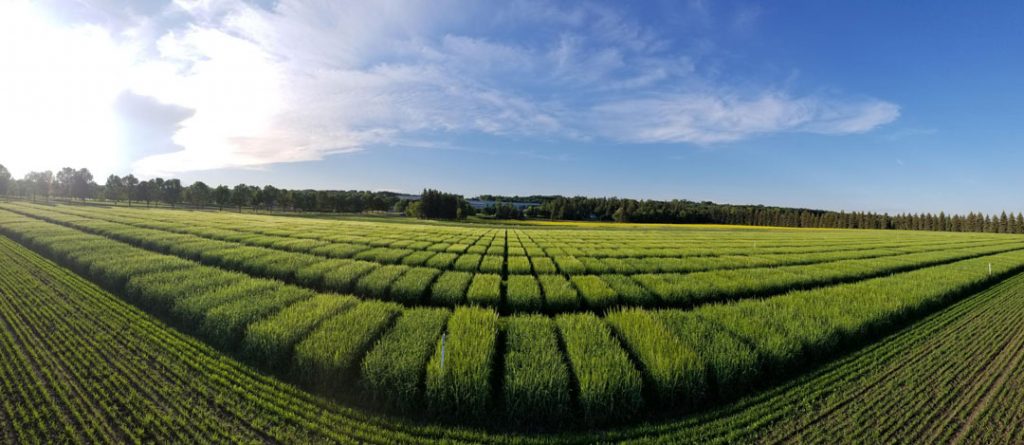
There is strength in numbers. It’s a truism that has motivated cereals commissions across the Prairies to team up and strengthen their research efforts.
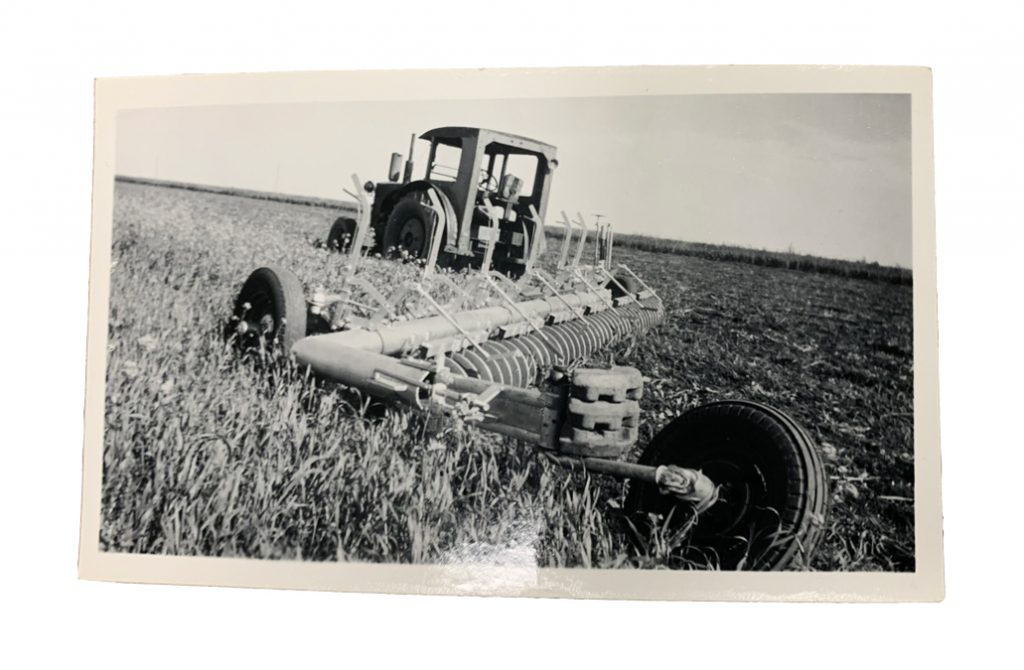
The first Co-op Disker rolled off the assembly line of the of the Canadian Co-operative Implements Ltd. (CCIL) Winnipeg, MB, plant in August 1946 and launched a new era in tillage and seeding practices in North America.
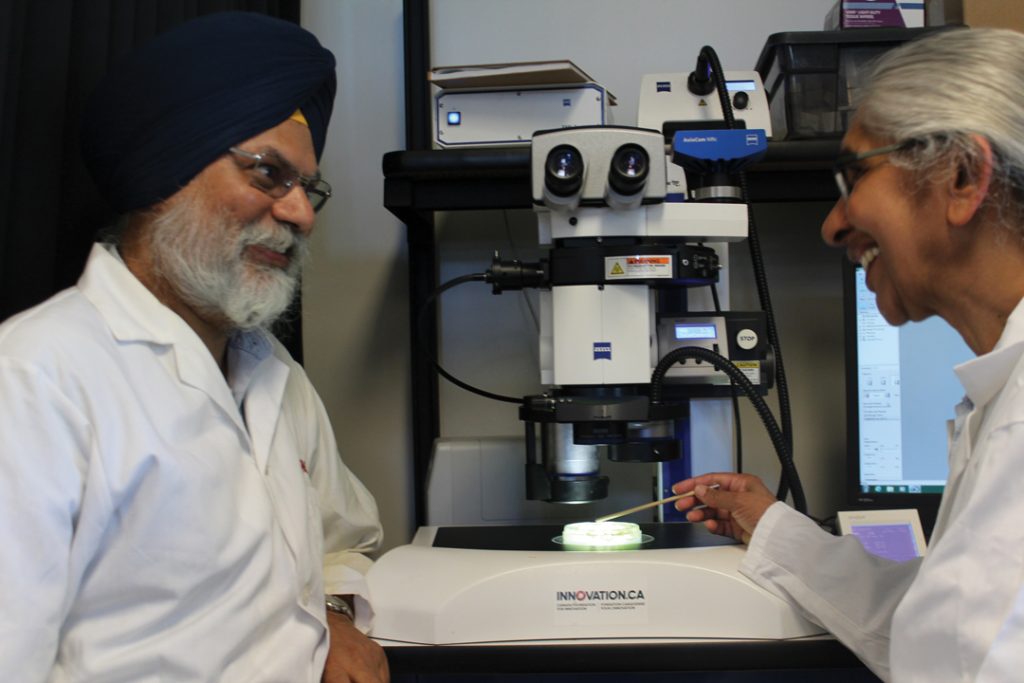
Early snow and wet or moist conditions in the fall are conducive to pre-harvest sprouting (PHS) in wheat and barley. PHS occurs when the seed’s dormancy is broken, forcing it to germinate rather than to store starch as it should prior to harvest.
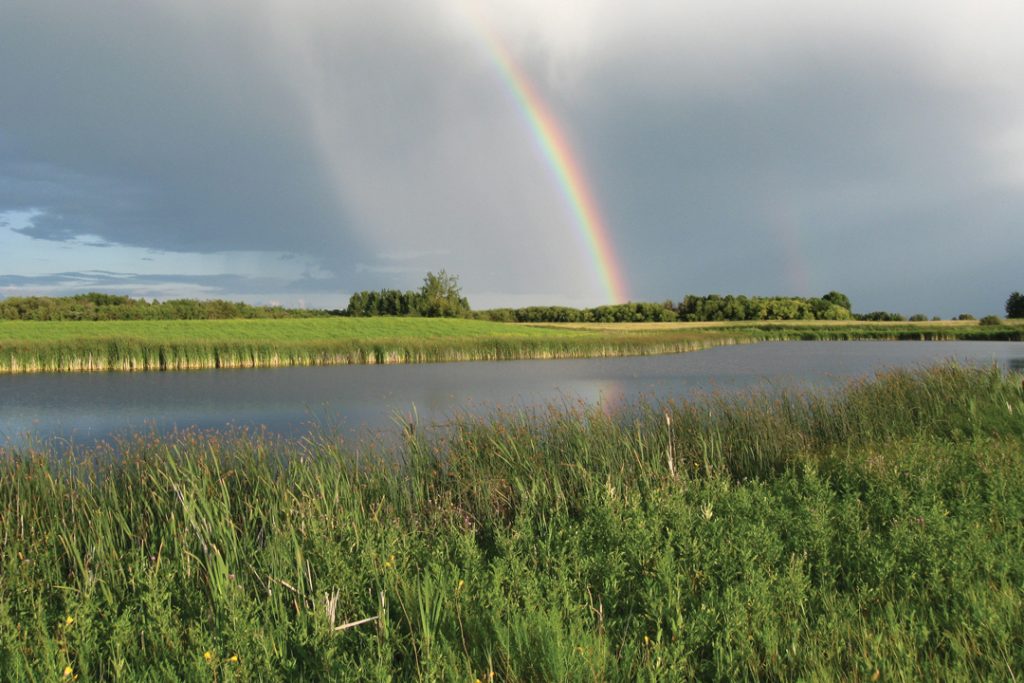
A shared value strategy under development in the Canadian grains sector will enable eco-labelling for products made using western Canadian winter wheat, a crop that has seen a years-long decline in Prairie acreage.

I was recently asked how COVID-19 has influenced “extension delivery,” the transfer of agricultural knowledge to farmers. The question prompted a surge of thinking about what has happened during the 2020 pandemic and how this process has changed over the years.
Over the past 30 years, Fusarium established itself in many cereal production areas of the province. Its spread across countless fields led to the decision to remove it from the Pest and Nuisance Control Regulation.
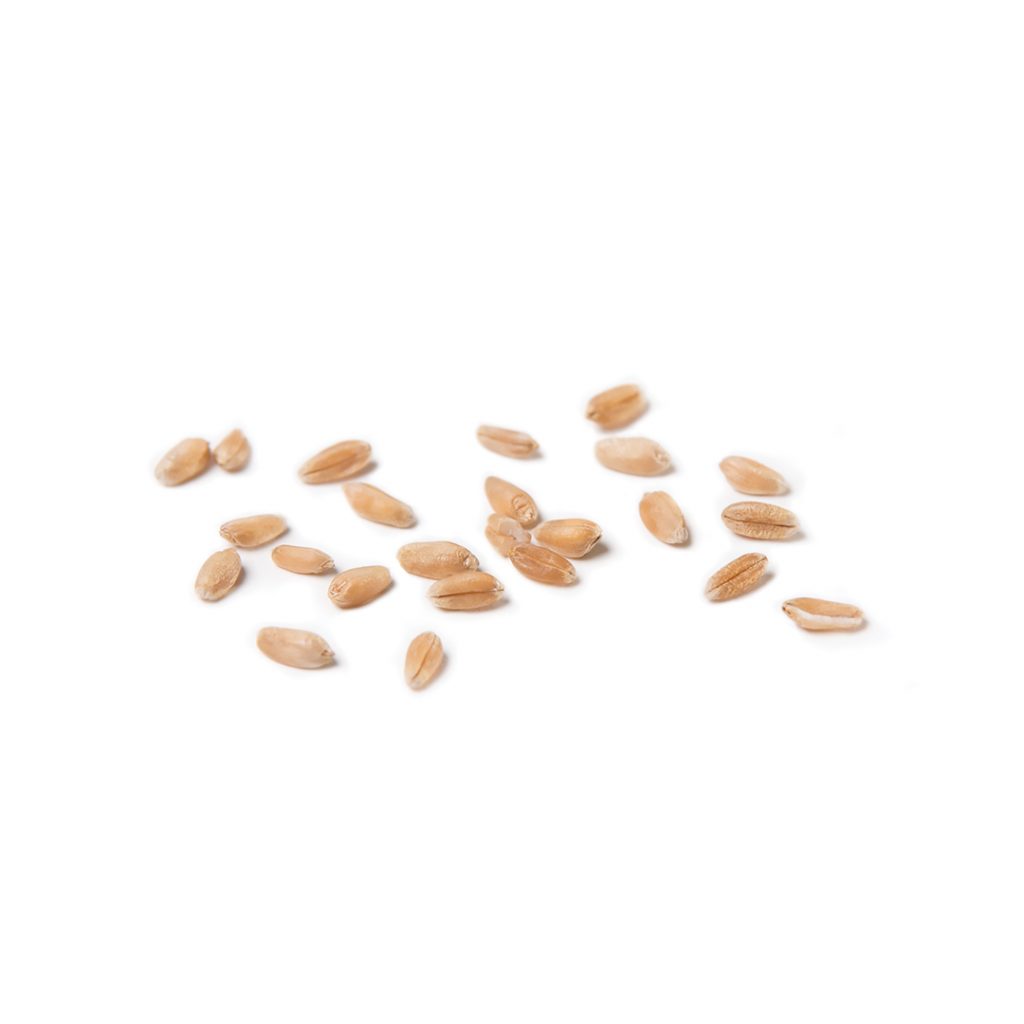
Export markets prefer CPSR because it is affordable, high-quality wheat with good protein strength and extensibility. Farmers like it because it yields well and is especially reliable in making grade.
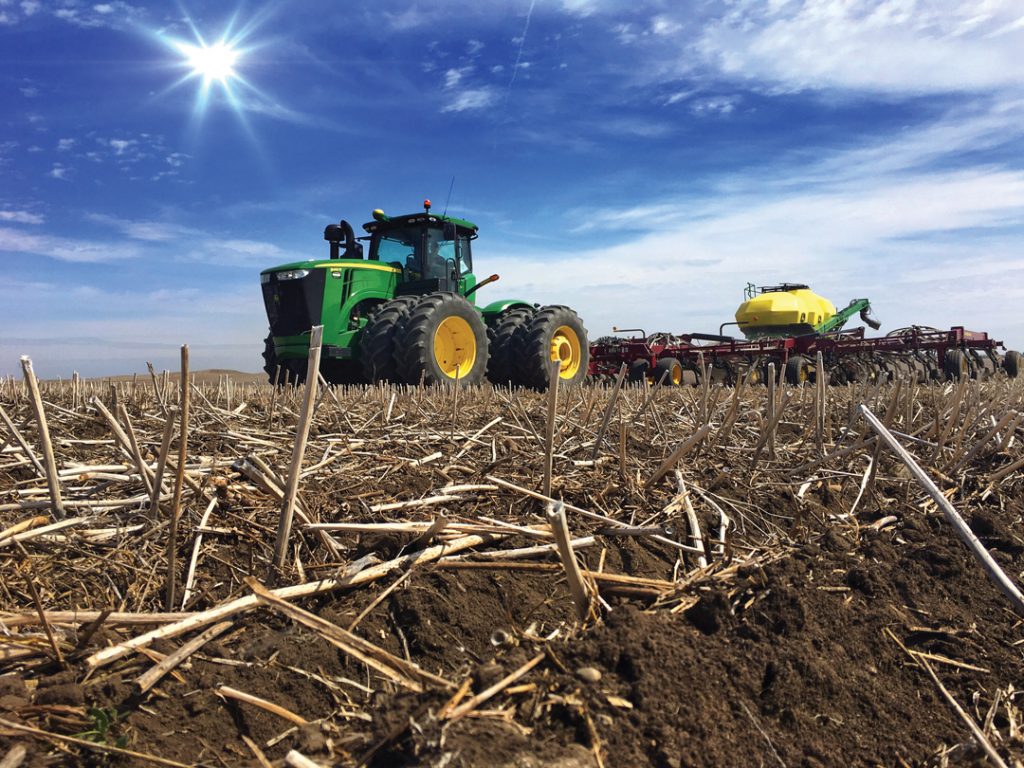
Heavy crop residue, or trash, in combination with excess moisture has implications for direct seeding and conservation farming practices. In certain parts of Alberta, excessive crop residue is a complicating agronomic factor and it has become a topic of discussion among farmers.
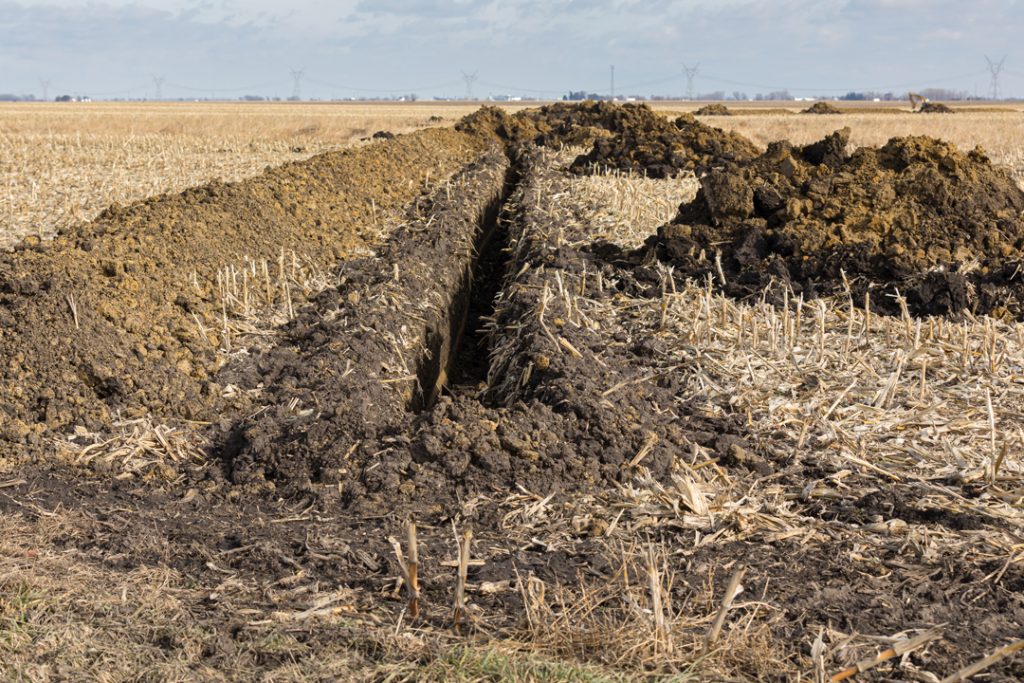
Excess moisture on agricultural lands across Alberta has increasingly become an issue over the past few years. In 2020, several areas were subject to heavier than average snow melt and subsequent rainfall.
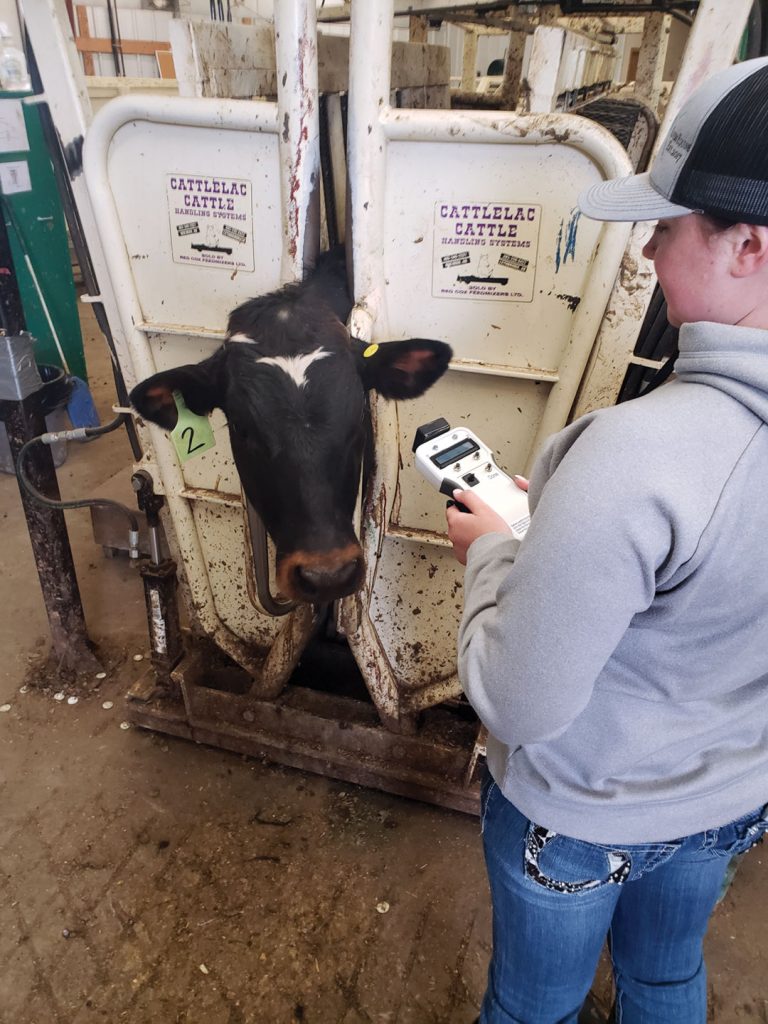
Introducing students to new technology has been part of the Olds College mandate since its inception in 1913. On its Smart Farm, launched in 2018, students continue to utilize the latest in operational farm technology. Given its fully digital infrastructure, the facility is a logical place for students and ag tech startups to collaborate and prove the value of new agricultural technology to farmers.