


OPTIMIZING FERTILIZER DOLLARS
While the price of fertilizer isn’t expected to go crazy in 2019, market observers say it’s likely to continue trending upward.

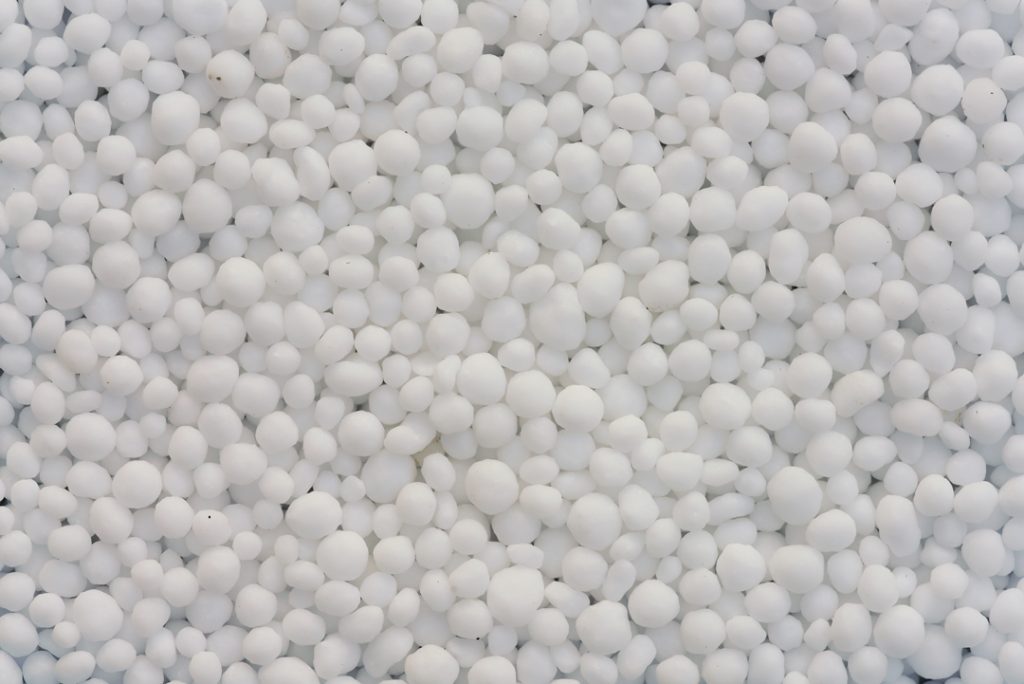
While the price of fertilizer isn’t expected to go crazy in 2019, market observers say it’s likely to continue trending upward.
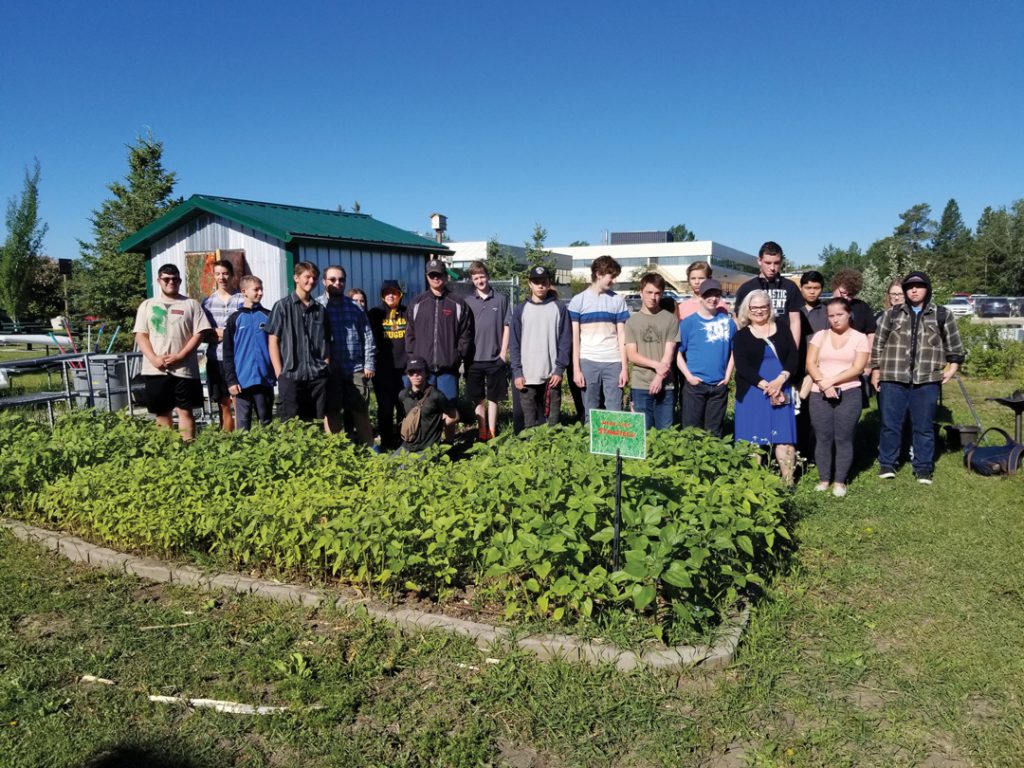
Though we couldn’t survive without it, soil is often treated like, well, dirt. In recent years, however, the Soil Your Undies campaign has been working to change that.
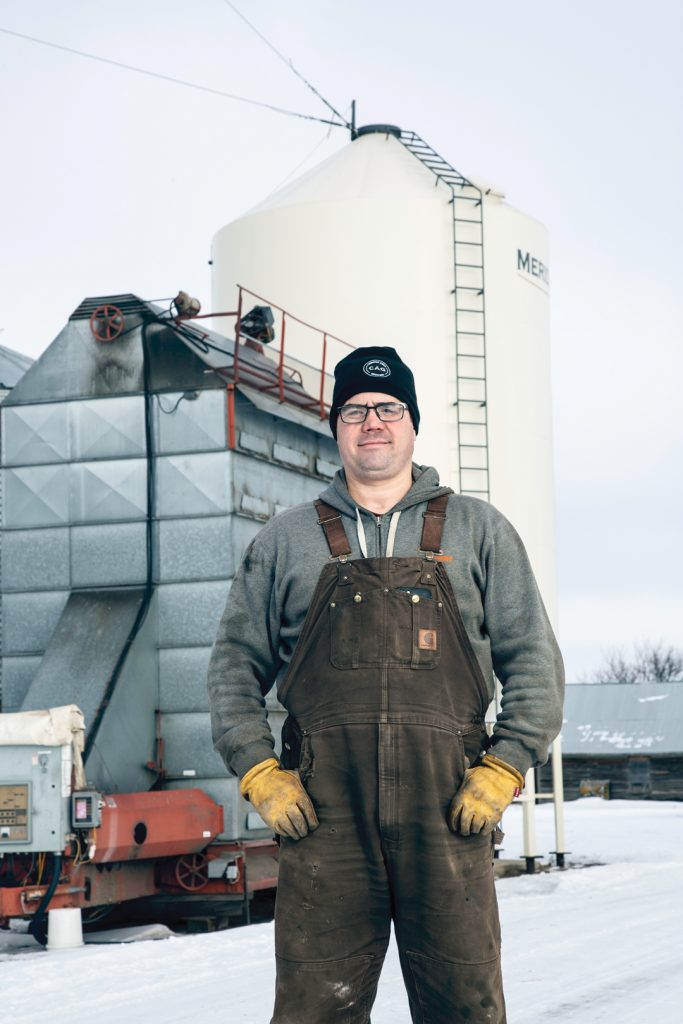
With certain pockets of Western Canada being dealt losing hands at harvest year after year, grain drying is moving from a “nice to have” to a “need to have.”
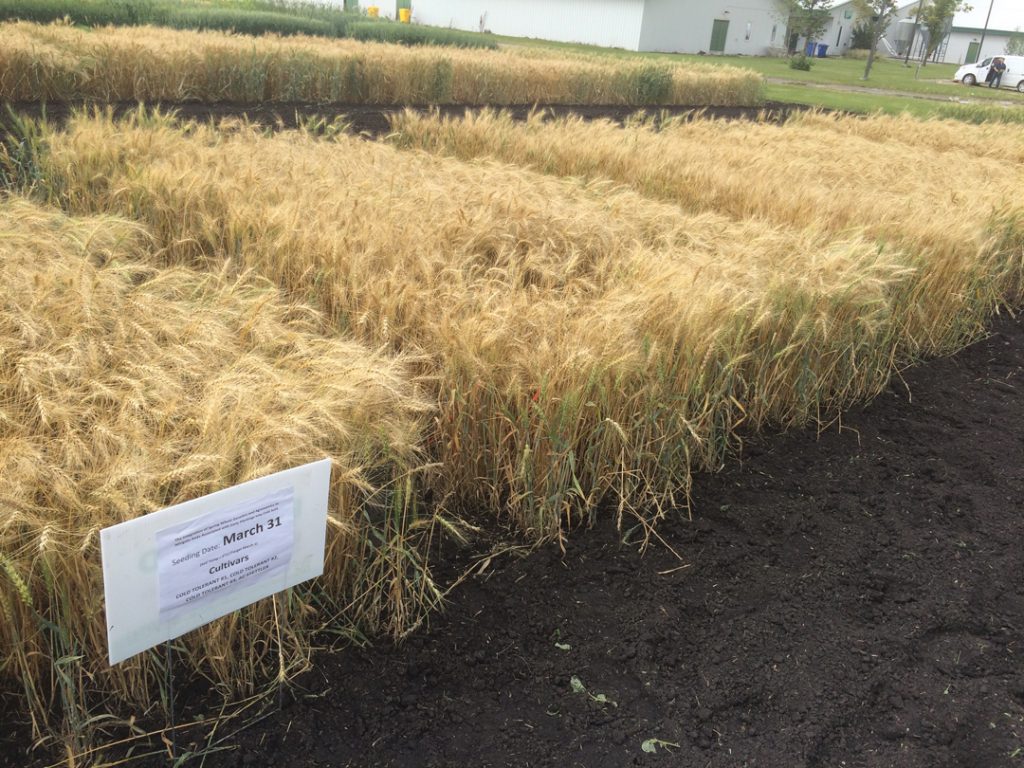
Spring wheat is Western Canada’s most significant crop. In the northern Prairies, though, much of the wheat grown for bread ends up being downgraded due to frost damage. This creates difficulties for farmers at harvest, but also impacts their bottom line. Dean Spaner, a University of Alberta Faculty of Agricultural, Life and Environmental Sciences professor, is addressing the problem in a research project funded by the Alberta Wheat Commission (AWC). The initiative will examine early-maturity traits in the hopes of addressing the challenge.
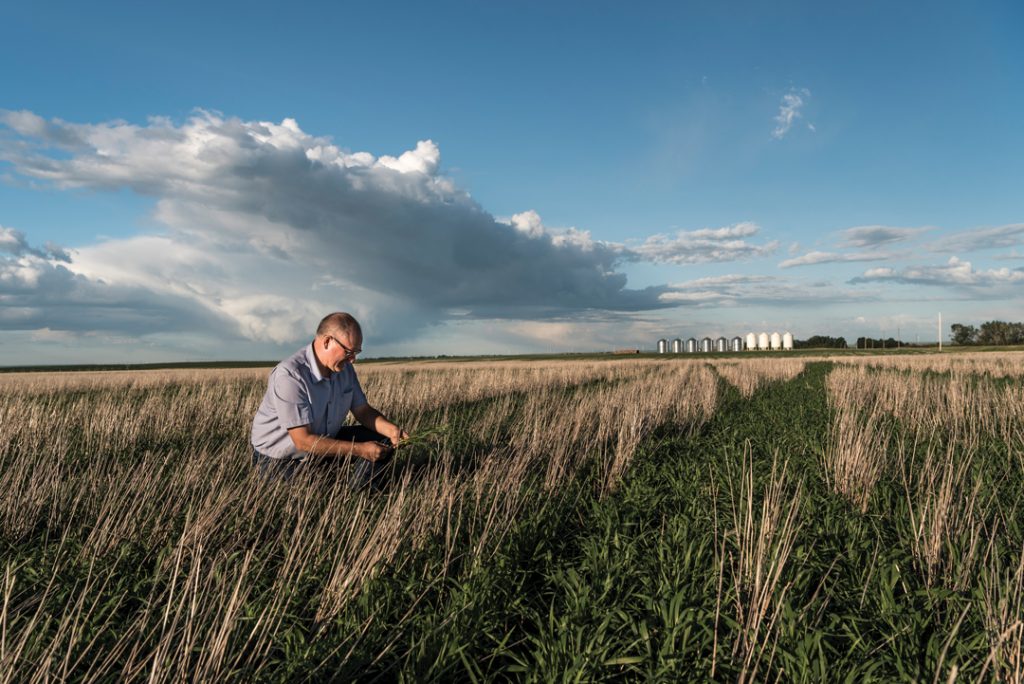
Kevin Auch is looking for one more crop to complete an ideal rotation on his 5,500-acre farm near Carmangay. He’s working with a pretty decent five-crop rotation right now, and each should comprise 20 per cent of his cropped acres.
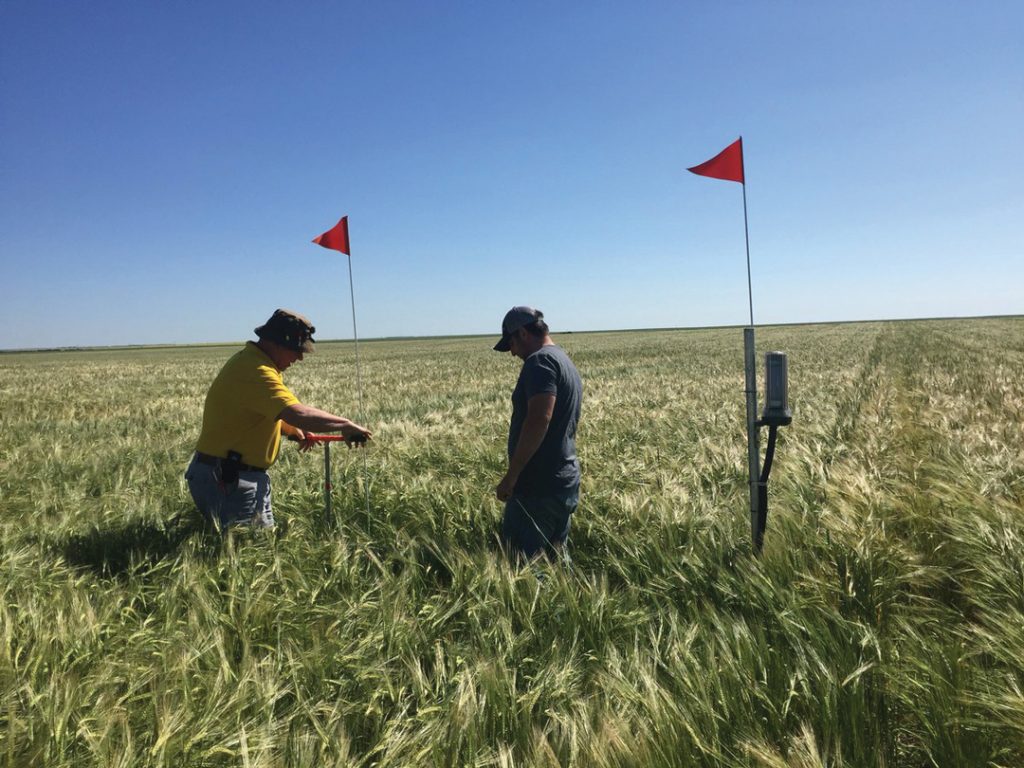
Though relatively few farmers do it regularly, agronomists emphasize there is great value in soil testing.
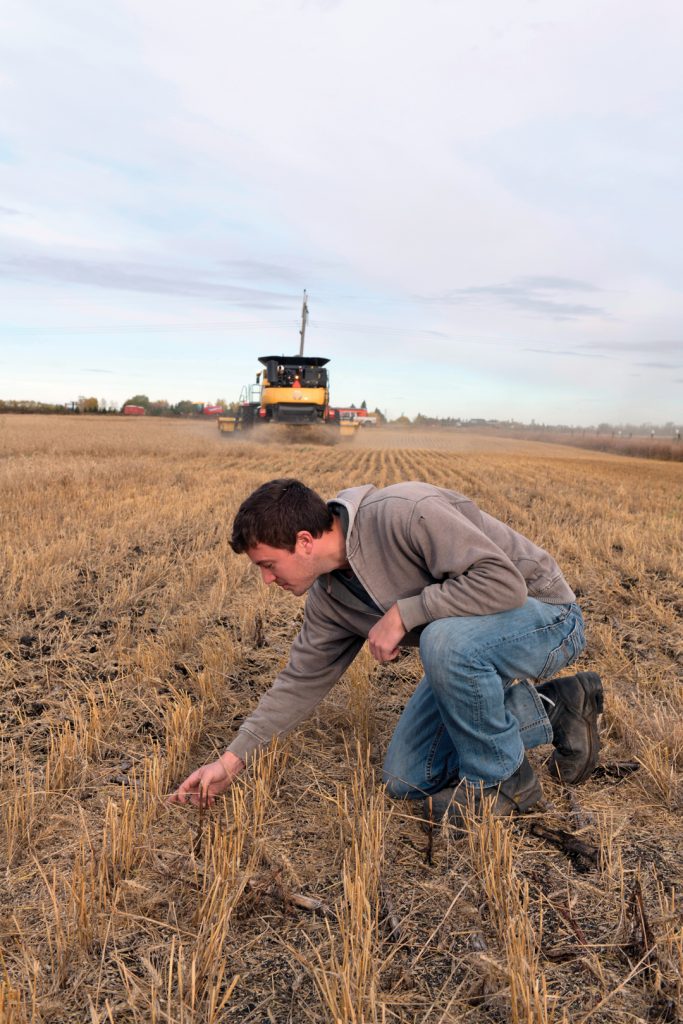
Are you ready to turn farming decisions over to the youngest farmers at the table? Lakeland College in Vermilion has done just that. The Student-Managed Farm (SMF) is a real-world lab where second-year students in the Animal Science Technology and Crop Technology programs take the reins as agricultural entrepreneurs.
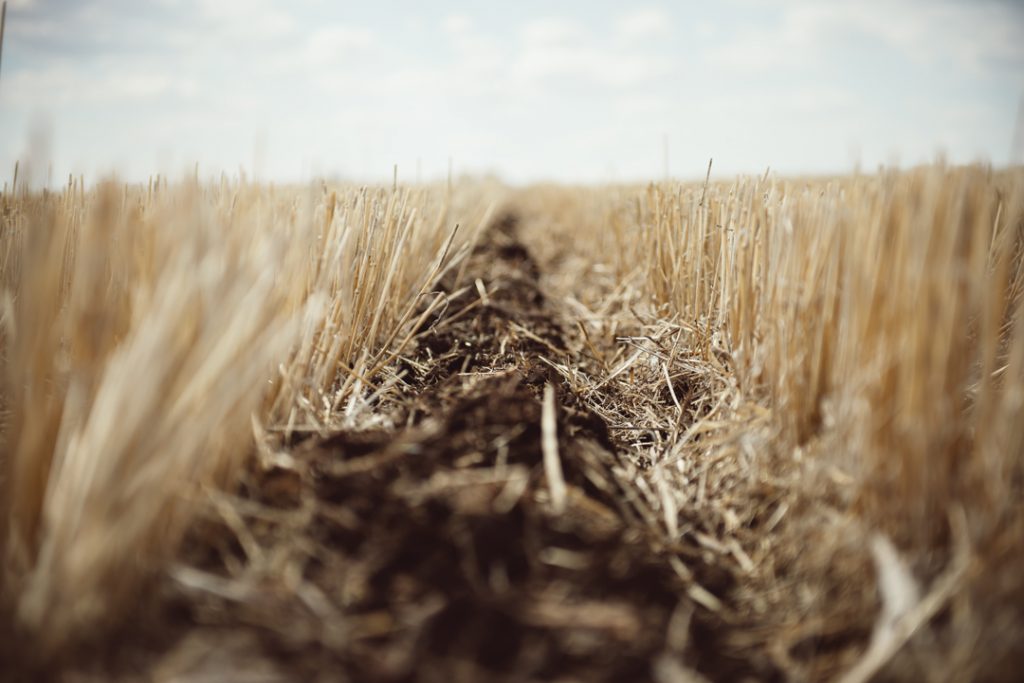
Greg Stamp knows that a higher seeding rate generally produces a better crop.
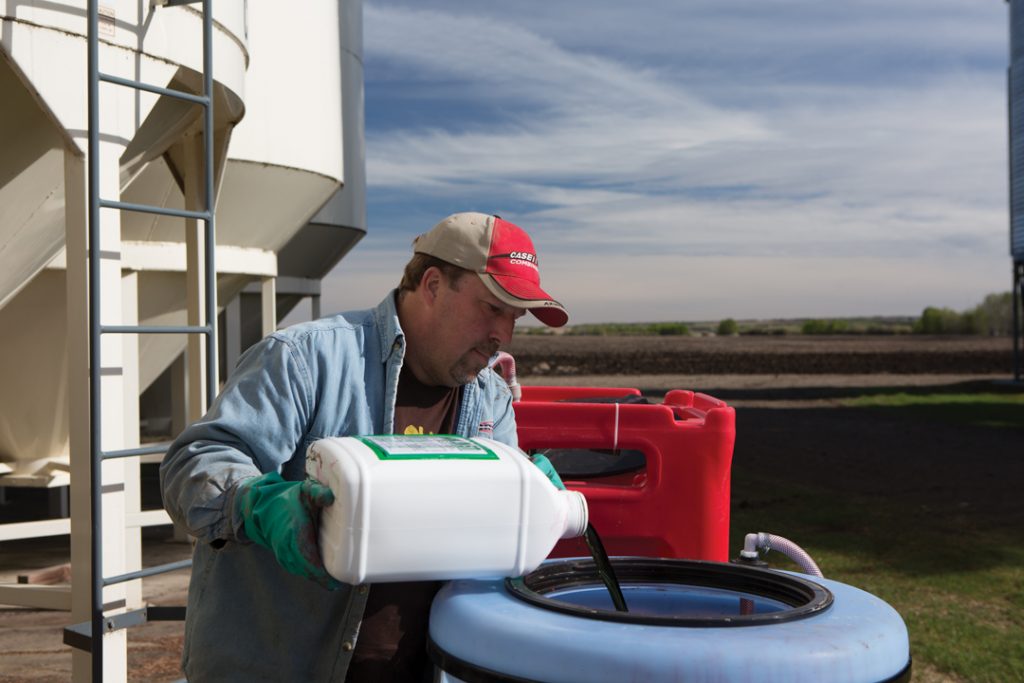
Western Canadian farmers may experience a few hiccups of their own when it comes to protecting their crops thanks to recent decisions by Health Canada’s Pest Management Regulatory Agency (PMRA) surrounding three common neonicotinoids.
Yield and quality are not everything to farmers; they’re the only things. In agriculture, success is measured by numbers, and the statistics for barley yield in recent years do not tell a winning tale.