




LABOUR SAVER
BY NEIL TOWNSEND
No topic sucks more oxygen from the room than AI. Opinions abound around whether AI is a positive or negative, and data centres have become the quintessential NIMBY issue. There is deep fear AI will disrupt the job market, create widespread unemployment and hardship, or worse.
With its chronic shortage of workers, skilled or otherwise, rural Western Canada is a unique environment for the AI debate. The Canadian government tried to accommodate the shortage with a generous immigration policy and temporary foreign worker initiative. The political climate has turned sharply against both, and most immigrants prefer urban centres. A continued labour deficit is almost assured.
In this context, AI presents an opportunity. To take advantage is not as simple as Alberta and Saskatchewan’s declared openness to data centre construction. The question is can the rural Prairies utilize AI to alleviate its labour shortage and create meaningful economic growth? Doing so could include accomplishing more with fewer people and enhancement of existing workforce productivity.
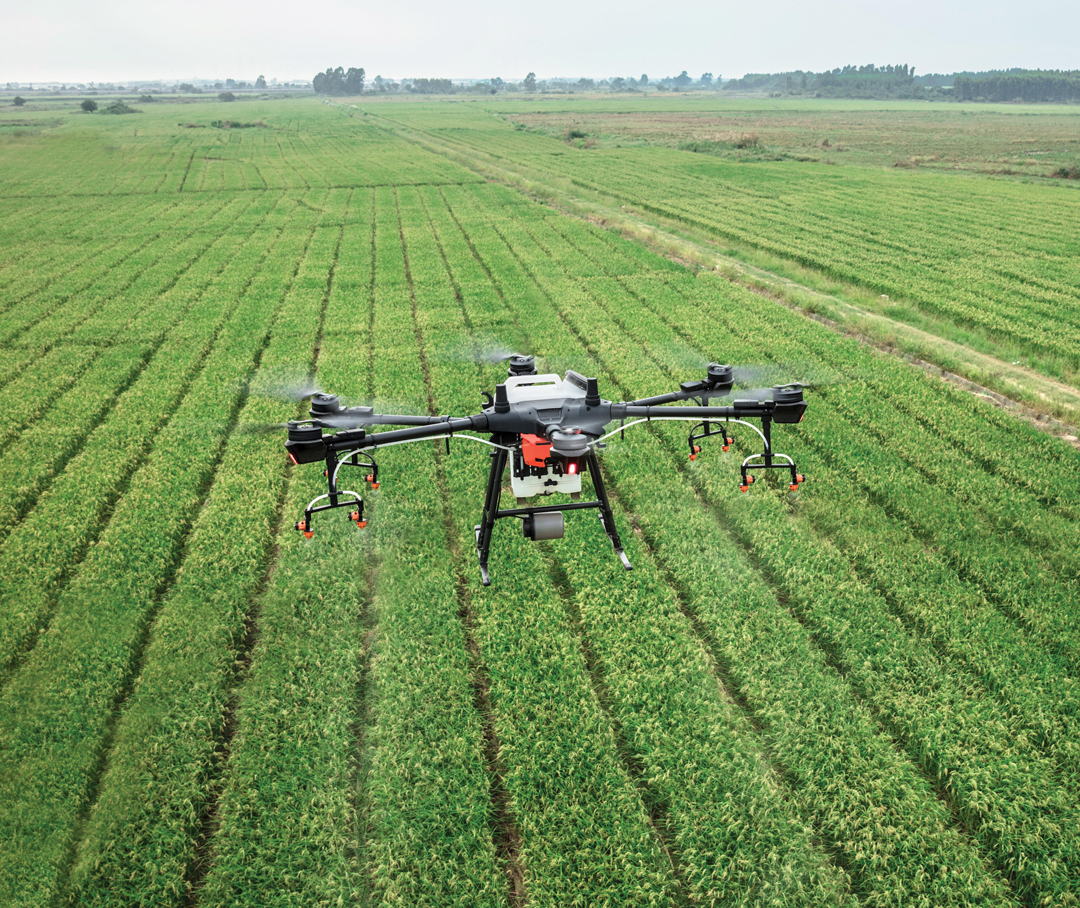
Even in a future where AI-assisted automation aids seeding, spraying and harvest, the need for mechanics, salesmen and technicians will remain. As workers gravitate to this higher paid work, AI solutions may fill the gaps.
An agentic AI system acts autonomously to perform complex tasks without constant human interaction. It utilizes all available data to recognize patterns and predict the next action with the greatest degree of probability. When a user questions the AI, it relies on the entire internet to generate an answer. Though potentially problematic, when its answer proves to be correct, or close enough, it is banked as an appropriate response.
Agentic AI has a certain appeal for Western Canada’s labour issue. It may answer phone calls, negotiate, schedule appointments and carry out other useful tasks. Think of an implement dealership. Its AI agent can be trained on service manuals and pricing. The AI could potentially support the sale and lease of equipment, schedule service appointments and streamline diagnosis and repair. This will appeal to stressed, short-staffed business owners whose biggest challenge is often human resources.
An immediate hurdle could be customer reluctance to deal with a “robot.” However, AI agents have rapidly become more human-like. Customers may even prefer to deal with an AI rather than an agent located in a foreign country. The use of an AI agent eliminates human error and may also more cheaply and efficiently resolve customer problems.
What could go wrong? Where an AI system draws upon the internet, there is potential for error or obfuscation. The internet contains vetted data but also plenty that is questionable. As well, AI is prone to hallucination, and in many cases it has simply invented data to resolve an issue. People have used AI to write briefs on legal issues, for example, only to discover the cases cited were wholly invented by the AI.
Recently, an Ontario man contacted a dealership to price out a buyback of his used car being fixed by the same business. His online query received a text message reply from an employee named Quinn. Sympathetic about the man’s car problems, Quinn made a very precise offer of $27,162.79. The customer was very pleased with the offer and the quality of service. He did not suspect Quinn was an AI and accepted. However, moments later the dealership phoned and revoked the offer. This time it was a human on the phone. They explained Quinn was an AI, and the offer had been made in error. The real offer was $20,000. Nonetheless, the company eventually honoured the AI quote.
It appears AI can enter into a contract on a company’s behalf. If so, a customer will be within their rights to hold the company to the terms negotiated. Despite the problem in this case, the corporate world may be impressed AI completed a deal without human effort, and the customer didn’t object. Once the kinks are ironed out, the potential upside of using such an AI agent is obvious.
It’s unlikely the rural labour shortage will soon be resolved. As the cost of doing business and the pressure to deliver service increases, AI solutions will have significant appeal to business owners.
Neil Townsend is chief market analyst with FarmLink Marketing Solutions.

Comments