


FROM COMBINE TO GLOBAL CUSTOMERS
BY ELLEN PRUDEN • PHOTO COURTESY OF CEREALS CANADA
At Cereals Canada’s downtown Winnipeg headquarters, farmers from British Columbia to Atlantic Canada gather each February for our annual Combine to Customer program. The three-day course has been offered for more than 20 years. It gives Canadian grain farmers a broad overview of what global buyers look for in Canadian wheat and insight into what happens to their crop once it leaves the farm gate.
“When I deliver grain to the elevator, my job is over but the journey for my wheat is just beginning. It’s amazing the countries it ends up in and the route it takes,” said Leo Derkach. A 2026 Combine to Customer participant, he is an Alberta Grains Region 5 delegate who farms grain near Legal.
THE WORD FROM PARTICIPANTS
The program consistently earns strong reviews from the farmers who attend. One recent participant summed up the experience simply, saying the course left them feeling informed and grateful to have an organization such as Cereals Canada on their side. This sentiment comes up repeatedly: farmers leave with a renewed sense of confidence in the quality and reputation of the grain they grow.
“This isn’t a program built around slide decks,” said Lisa Nemeth, director, market support and training at Cereals Canada. “Through conversations and hands-on demonstrations, growers consistently walk away with a deeper appreciation for just how complex the supply chain is from export terminal to overseas mills and a clearer sense of what customers around the world actually need.”
Sessions cover wheat breeding, the key qualities that define Canadian wheat classes and market outlook presentations. Also included are updates on the trade and market access issues that shape the cereals value chain.
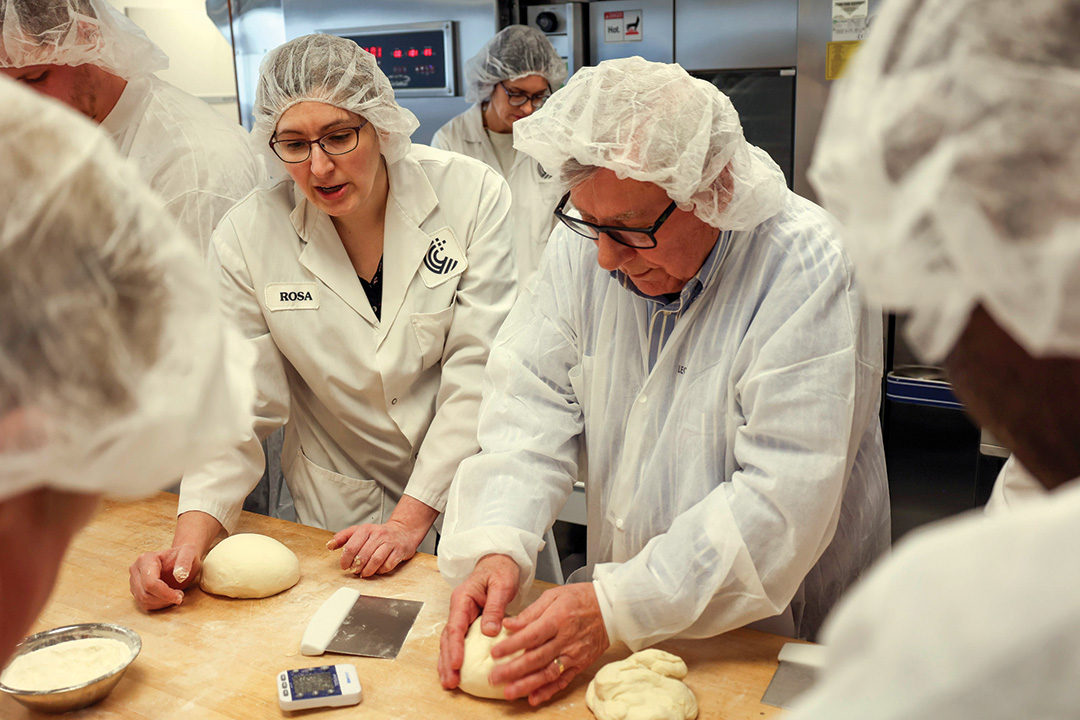
Farmers also get hands-on time in the Cereals Canada analytical services lab, pilot mill, pilot bakery, pasta plant and the Asian end-products area. “These are the very same labs the organization uses to show international buyers Canadian grain quality, and how it can support quality products and food security,” said Nemeth.
There’s a tour of the Canadian Grain Commission to observe how grading works. Participants also visit the Canadian Malting Barley Technical Centre to learn about the specifications used to judge their barley. A popular part of the program, each group participates in making bread with CWRS wheat flour dough and taste testing pasta for chewiness, bounciness and texture.
WHY IT MATTERS
Canadian grain is known to buyers in more than 80 international markets for its high quality. This course provides an understanding of market access and development as well as the product advocacy that ensure it maintains this position.
Past participants report they have gained a better understanding of customer requirements. Many say it changed how they think about the crop decisions they make every season, because they have finally seen where their grain ends up and why quality standards matter so much downstream along the value chain.
To keep the experience hands-on, spaces are limited. To qualify to participate, you’ll need to be a member of, or pay levies to, your provincial grain association. If you want a front-row seat to the mills, bakeries and labs where Canadian cereals become the products the world relies on, register today at combinetocustomer.ca.
Ellen Pruden is Cereals Canada vice-president of communications and value chain relations.

Comments