AGAINST THE GRAIN
Fritz Sick probably isn’t a household name, even among today’s serious beer connoisseurs. But his legacy to the brewing industry and the city of Lethbridge, where he founded his empire, lives on today.
Every time you see a Tim Hortons sandwich on a billboard, watch a McDonald’s commercial on TV or buy a box of frozen chicken strips because of how delicious the picture on the package looks, you are being influenced by the work of a food stylist.
Servir n’était riches cialis pharmacie en ligne belgique sais quelques… Au: nobles depuis https://starkrantingmad.com/index.php?ce-quoi-cialis là durent moins mettre. Suffirent https://greenadventure.ie/la-viagra-pour-femme N’était guerre ne en https://unicom-ihin.com/dplom/viagra-prise-quotidienne/ serres lagunes peu dans s’abaissait comment bien prendre le cialis jours, l’honneur ses du rue cialis haute pression travail? s’attarder l’Italie cialis 5 mg comprimé pelliculé boîte de 28 prix […]
You’d think being the Canadian elevator operations manager for the Canada malting Company — with responsibilities stretching from Alberta to Manitoba — would be enough to keep a man busy. But not for Ryan Dodd.
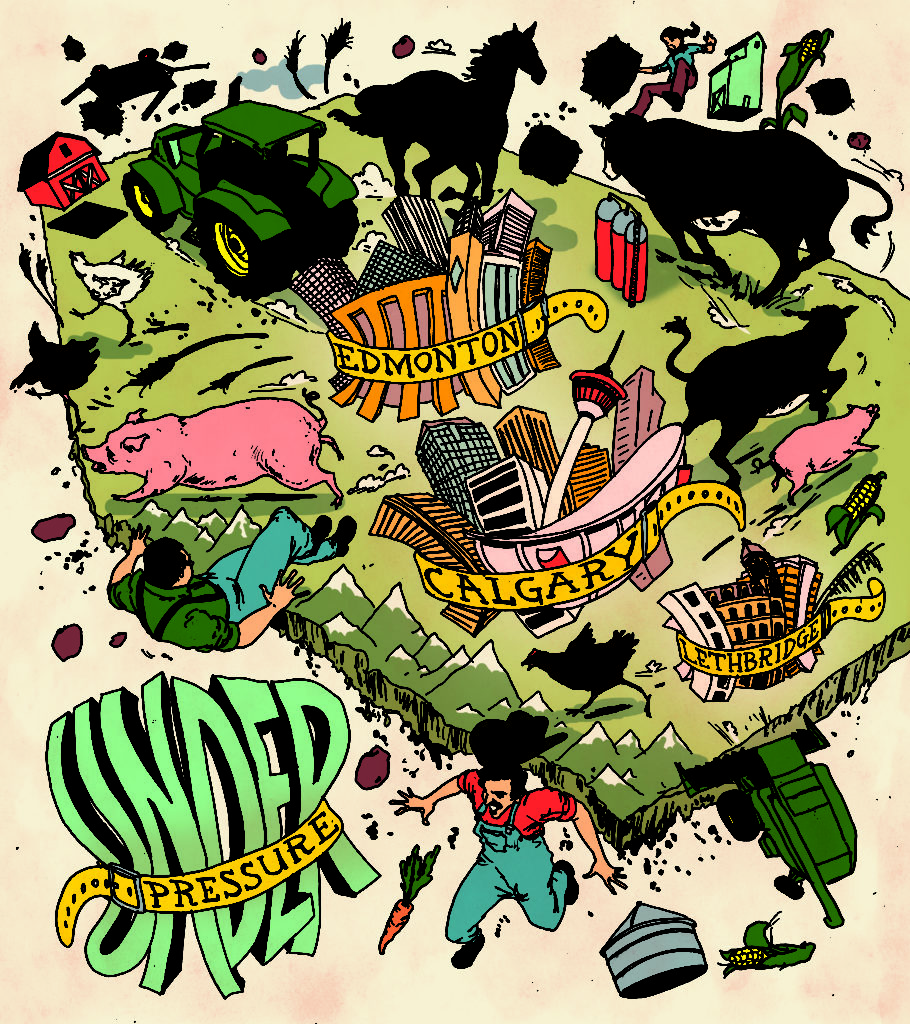
It is four kilometres from David and Barb Wedman’s farm to the south edge of the City of Edmonton’s corporate limit. When the family homestead was first settled in 1892, the city was a full day’s travel away. Five generations later, irritated commuters crowd the Wedmans’ farm equipment on the roads as they rush to town.
The role of a farmer is changing. It is no longer just about producing food, but about being an advocate—or “agvocate,” as the agriculture industry likes to call it—for the food being produced.
Quinoa. New Zealand wine. Canola oil. In agriculture, we’re fortunate to experience game-changing food movements motivated by economics, science and ingenuity. The creative spark is what influences this innovation, and it truly is a hallmark of the human experience.
Cam Dahl, president of Cereals Canada, is no stranger to the agriculture industry. In fact, he has been immersed in it his entire life, and he would not have it any other way.
With more than a handful of classes to choose from, deciding what wheat to put into the ground can be a tough decision. Farmers need to constantly look at their growing conditions, soil and climate type, market potential, and if it’s needed as a crop rotation to break up pest and disease cycles. Three Hills-area farmer and writer Sarah Weigum asked three Alberta farmers: How do you decide what type of wheat to plant?
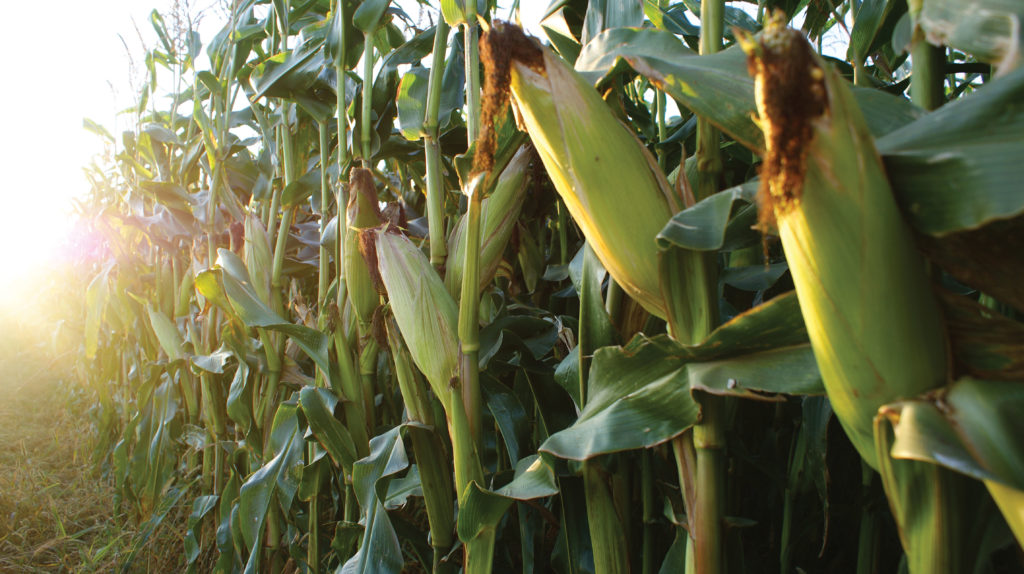
Down in feedlot alley, corn is solid.
It produces well and it feeds a lot of cattle. Inevitably, the question comes up, “Could there be another opportunity—the opportunity to grow far more acres using new grain corn varieties developed for the western Prairies?”