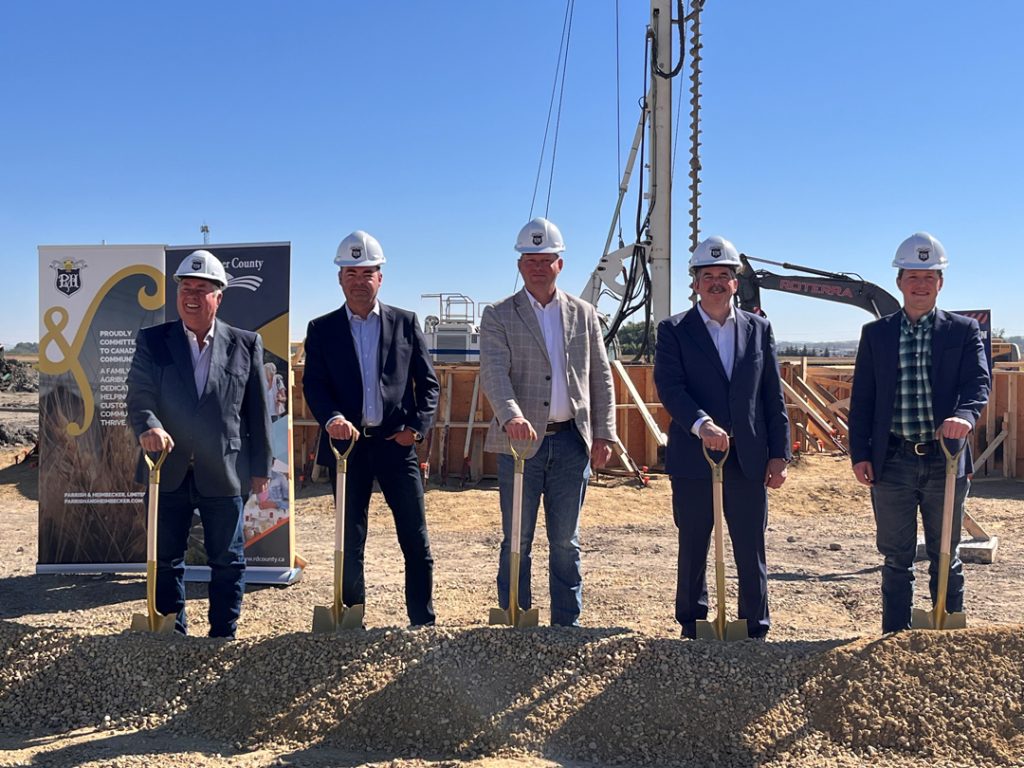
P&H BREAKS GROUND AT NEW FLOUR MILL SITE
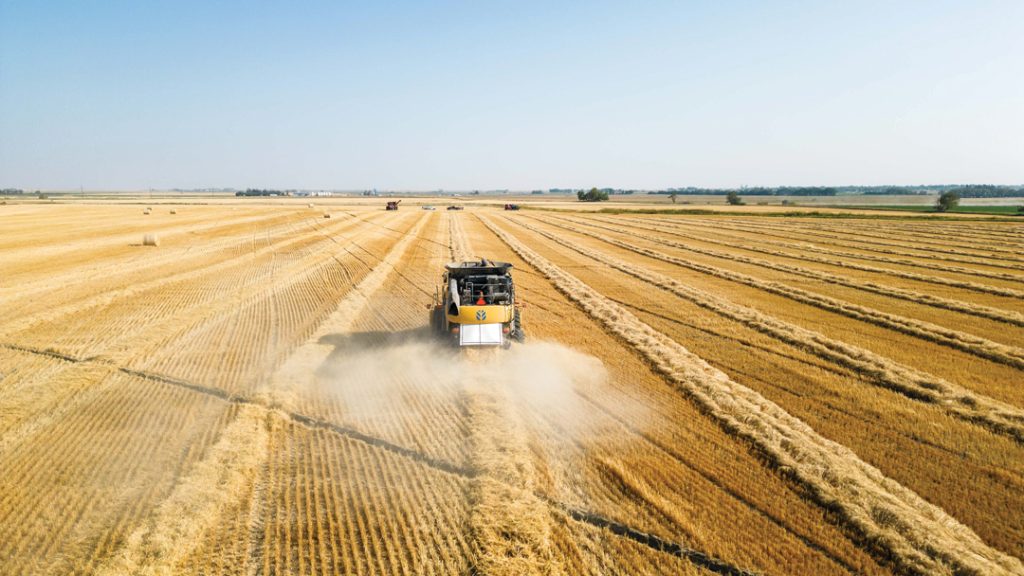
While demand for flour products jumped by 24 per cent in Alberta between 2019 and 2022, the province’s exports of wheat and meslin flour also increased to $19.8 million in 2023 from $8.6 million in 2019.
Alberta farmers have a new option to be paid for the C02 they sequester. A program by Trimble will compensate those who demonstrate and quantify sustainable on-farm nitrogen management practices.
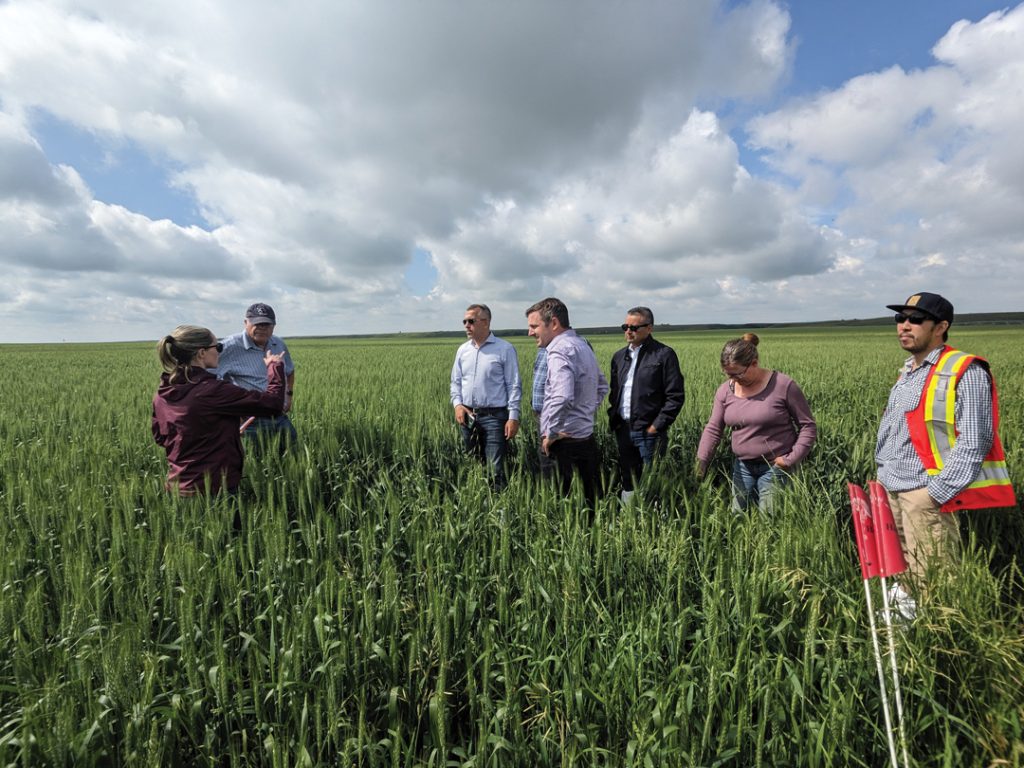
One of several regional chapters of Agriculture and Agri-Food Canada’s 10-year, $185-million Agricultural Climate Solutions — Living Labs Program, AALL conducted its first season in 2023. Its emphasis on real-world results unites farmers and scientists to study practices and technologies that reduce greenhouse gas emissions, sequester carbon and benefit the economic bottom line of farmers.
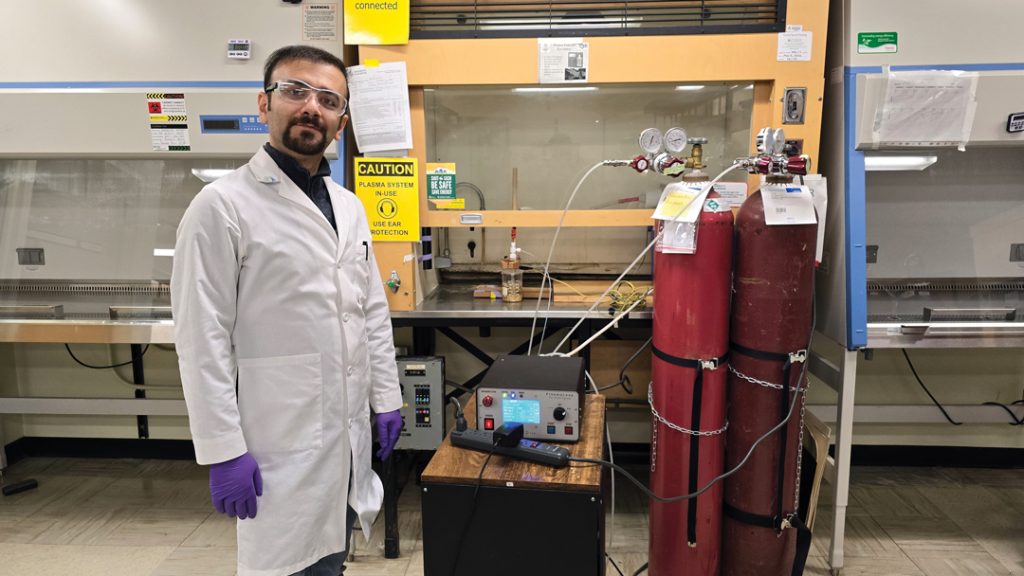
Up to half the world’s stored grains—1.6 billion tonnes—can be subject to spoilage every year. Such losses impair efforts to meet growth in global food demand. In response, two recent studies applied cutting-edge technology to better understand grain spoilage and seek solutions.
The intent of the Nuffield Canada Scholarship program is to connect agricultural scholars with farmers and ag professionals across the globe. Established in 1950, the program is geared towards mid-career individuals, it empowers recipients with $15,000 and a two-year mandate to travel and research a topic of their choosing.
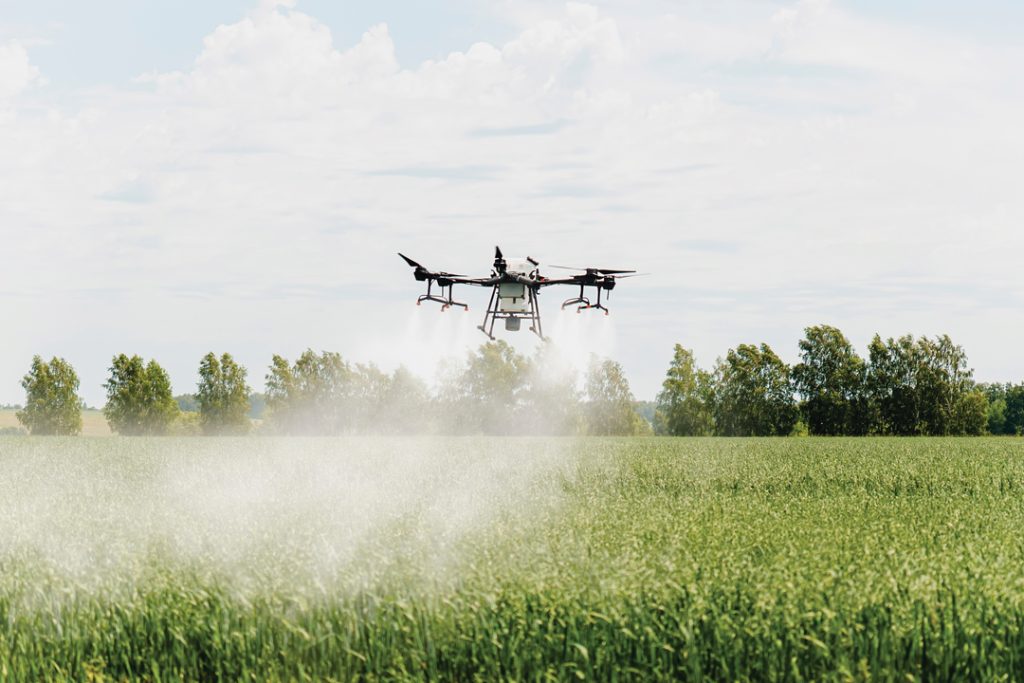
Perspective is everything and the high-flying bird’s-eye view provided by drones delivers plenty of it. Outfitted with state-of-the-art software augmented with artificial intelligence (AI) technology, drones are increasingly used for an impressive array of agricultural applications.
For decades, soil management decisions have been made based on chemical composition. The field of soil health has refreshingly expanded to include aspects such as organic matter and compaction, said Burton. “Soil health embraces the physical, chemical and biological, which is a much more meaningful representation of the state of soil.”
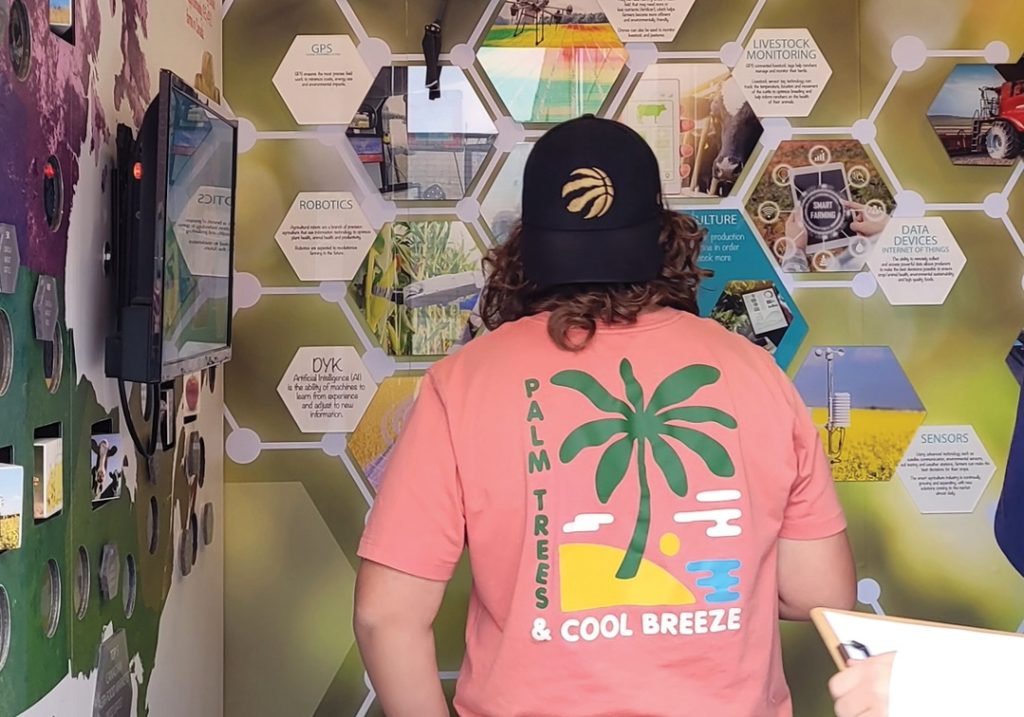
Dubbed The Ultimate Food Truck, the customized semi-trailer features four core areas: technology, production, markets and food for thought. To tell the story of Canadian agriculture, digital elements such as touch screens, video displays and interactive maps are supported by fact boards and photo panels.
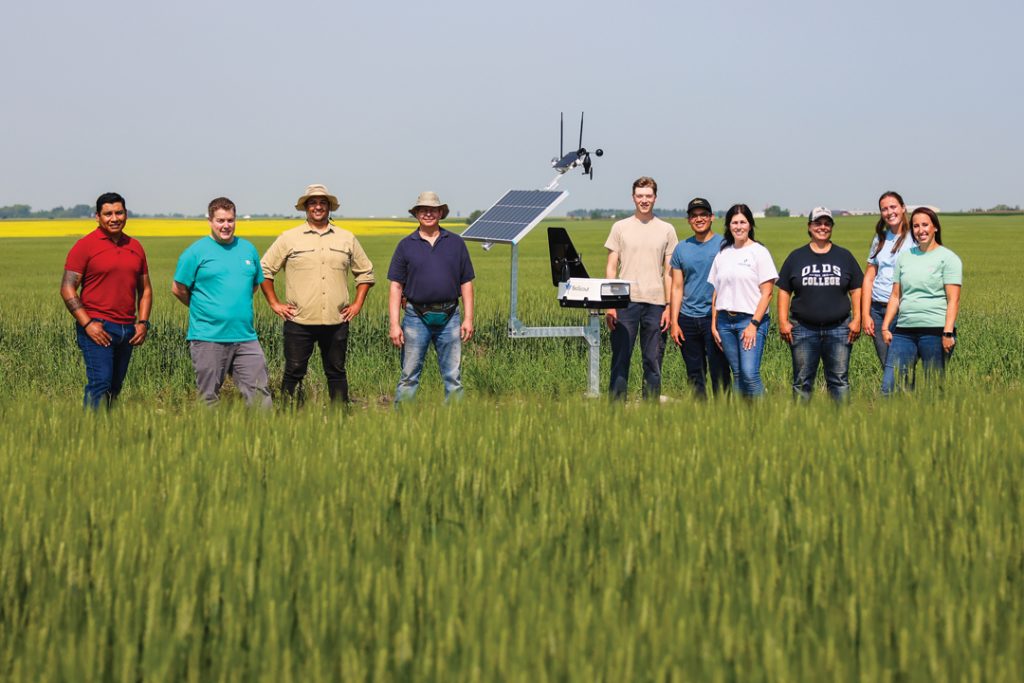
There are always many research and development projects on the go at the Olds College Centre for Innovation (OCCI), the applied research division at Olds College of Agriculture & Technology. Industry partners join forces with the department to develop and test a wide variety of innovative products in the core areas of crop and livestock production, environmental stewardship, technology integration and data science and utilization.
Understanding falling number (FN) in wheat can help farmers make informed decisions about harvest quality. The FN test measures the activity of the enzyme alpha-amylase in wheat. This activity is caused by pre-harvest sprouting.