ANCESTRY DNA
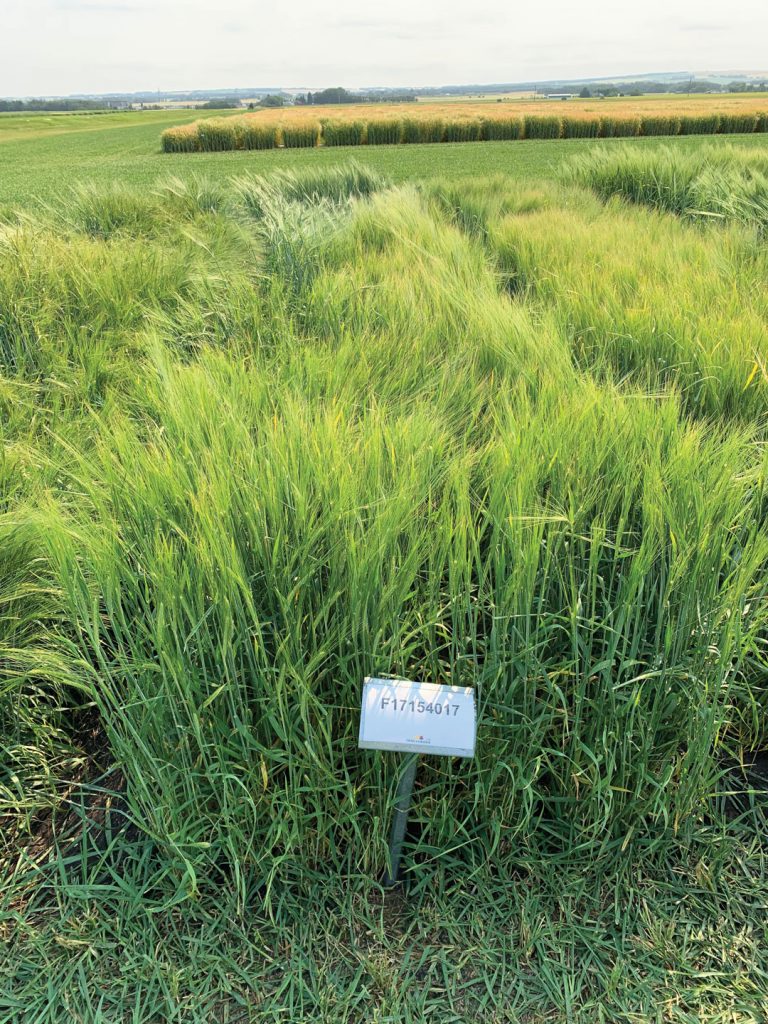
Old World malting barley genetics may soon be available to Alberta farmers, brewers and distillers in search of trademark flavour characteristics and carcinogen-free chemistry.
Prairie winter wheat acres have declined for years, but interest in the versatile crop has been revived. Its renewed appeal coincides with a changing of the guard in wheat breeding circles. Picking up where their predecessors left off, breeders Harwinder Sidhu and Curt McCartney aim to give farmers strong new varieties.
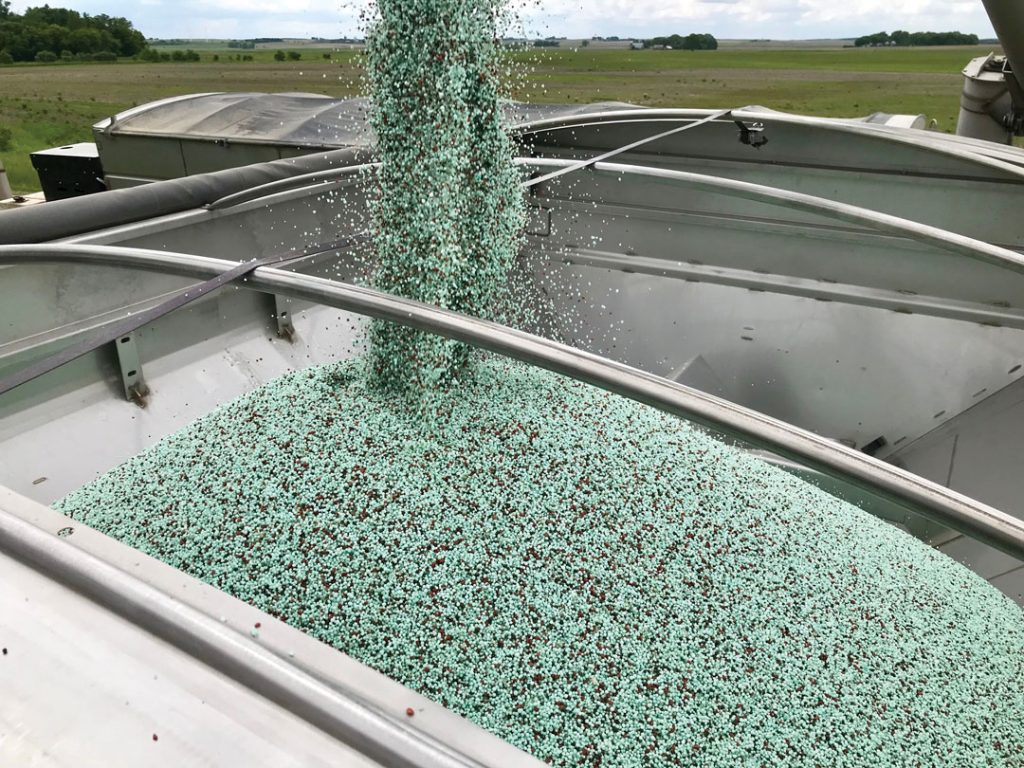
While fertilizer is critical to keep farmers in the black, many see red as its cost has greatly increased. As prices are on the upswing, industry groups and researchers turn their attention to new ideas that may boost ROI.
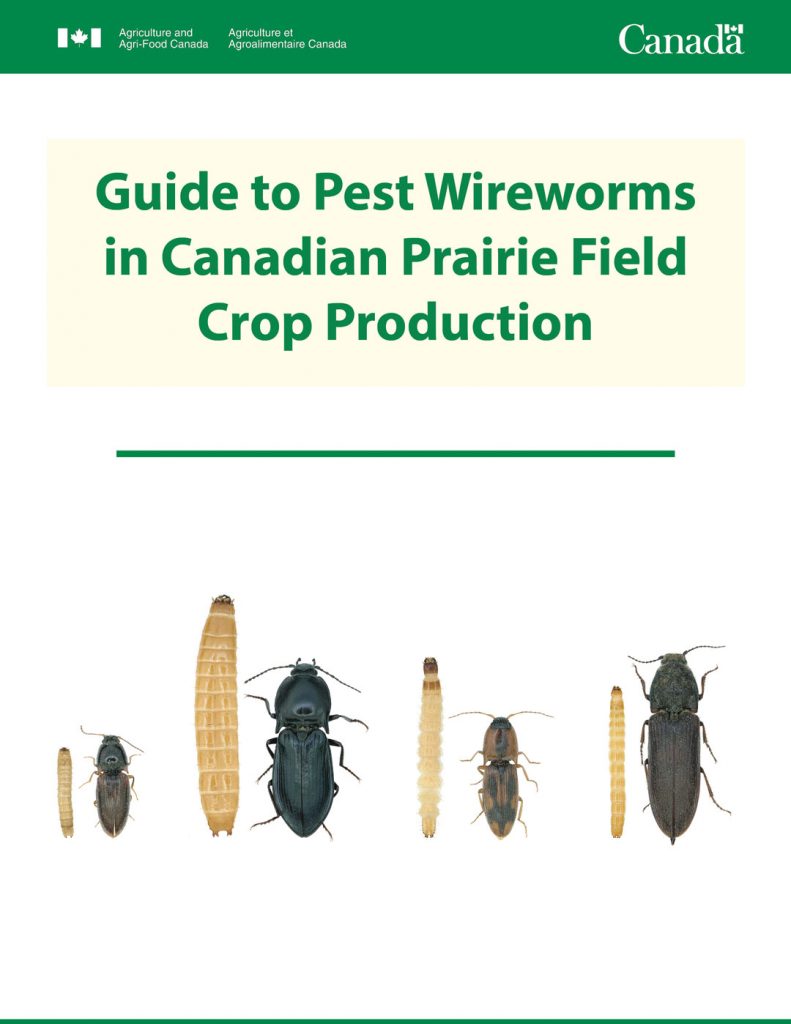
Pests are a top concern for farmers, especially those with limited management options. Wireworms are one pervasive example. A misnomer, they are not actually worms but rather the larval form of click beetles. These sneaky creatures can wreak havoc on fields as they hollow out seeds and shred stems in cereal crops. Hard to identify and even harder to manage, these small but mighty pests can devastate entire fields.
Fairytale characters spin straw into gold, but could demand for wheat straw create a gold rush for farmers? The question has arisen with the recent announcement of the $800 million Great Plains MDF facility in the hamlet of Equity, in Kneehill County. The plant will process wheat straw to produce medium density fibreboard (MDF) products such as furniture, panelling, flooring and kitchen cabinets. This and a similar project proposed for Regina, SK, are expected to boost the long-term demand for wheat straw and provide a marketing opportunity for farmers. To calculate the economics and agronomic impact is a more complex task than one might imagine.
Agricultural research facilities are critical to the forward momentum of Peace Country farming. Established in 1917, the Beaverlodge Research Farm is the most northerly Agriculture and Agri-Food Canada research centre. The wide scope of its programming reflects the sheer size of the region. This encompasses research on forage production and integrated crop management as well as disease and pest management and honey bee pathology.
As you read this, Grain Growers of Canada (GGC) staff are back on Parliament Hill, in person, talking to politicians about the issues that matter most to our farmer members. We have been through a harvest, an election and the possible appointment of a new agriculture minister, so there will be no rest as we head into an important winter for our sector and our country.
The Canadian government has made a substantial commitment to the achievement of its 2030 carbon emission reductions target. In a July submission to the United Nations, the country formally committed to cut greenhouse gas emissions by between 40 and 50 per cent below 2005 levels. This will support the creation of a net-zero emissions economy by 2050. Part of a global push, it is a goal shared by more than 120 countries. In June, it became the nation’s first emissions reduction target to be enshrined in law within the Canadian Net-Zero Emissions Accountability Act.
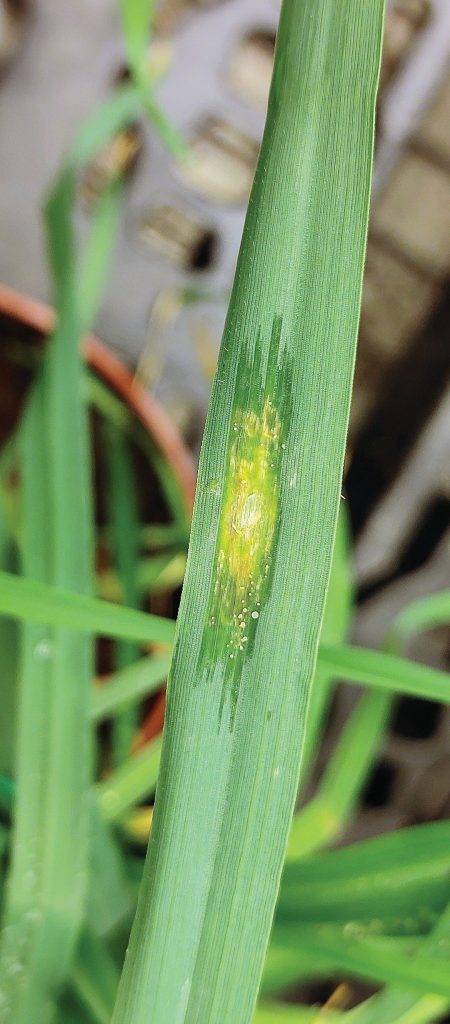
Bacterial leaf streak (BLS) is a subtle intruder, but given the right conditions, it can cause significant yield loss and affect future crops in wheat and barley. Most commonly transmitted through contaminated seed, the disease has the cereal industry pushing on all fronts to break the chain of transmission, starting with the development of an effective seed test to help farmers manage the risk and prevent it from spreading.
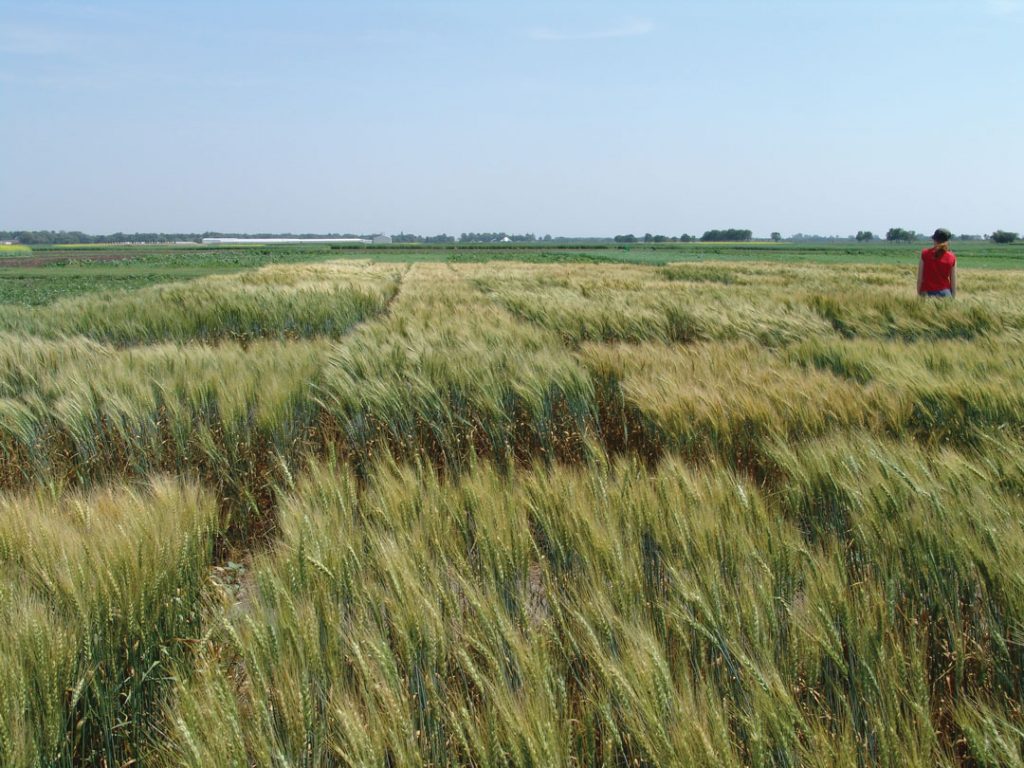
Two research projects funded by the Alberta Wheat Commission (AWC) have made significant advances in cereal crop genetics. Overseen by Pierre Hucl of the Crop Development Centre (CDC) at the University of Saskatchewan, the first of these examined the viability of a new dwarfing gene in bread wheat. Secondly, Nora Foroud of Agriculture and Agri-Food Canada (AAFC) developed new wheat and barley lines with improved resistance to Fusarium head blight (FHB).