RISK MANAGEMENT REINTERPRETED
Outdated. Reactive. Costly. This is how certain critics describe business risk management programs available to Canadian farmers.
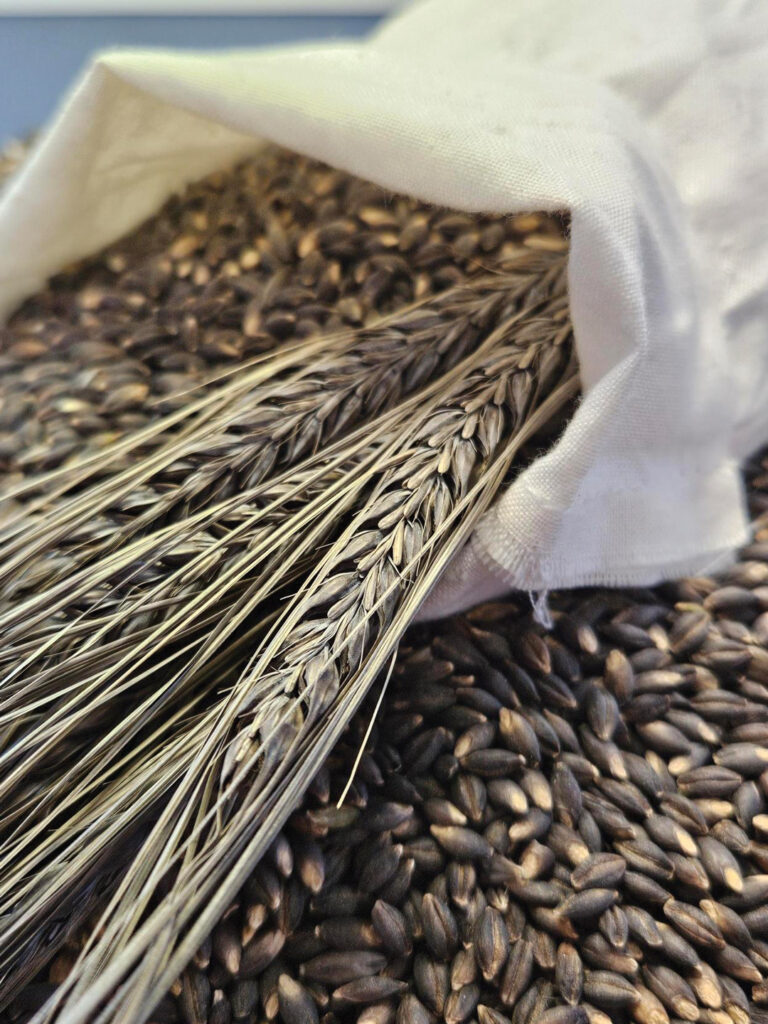
The words “white bread” don’t tend to stir excitement in the hearts of Canadian consumers. The term itself is used as shorthand for “boring,” and typical grocery store white bread is often considered a junk food, inferior to whole wheat counterparts. But despite white bread’s second-rate reputation, squishy snow white bread has long been a staple of diets around the globe. While trends may ebb and flow, refined grain breads continue to have a place in our ever-changing culinary world.
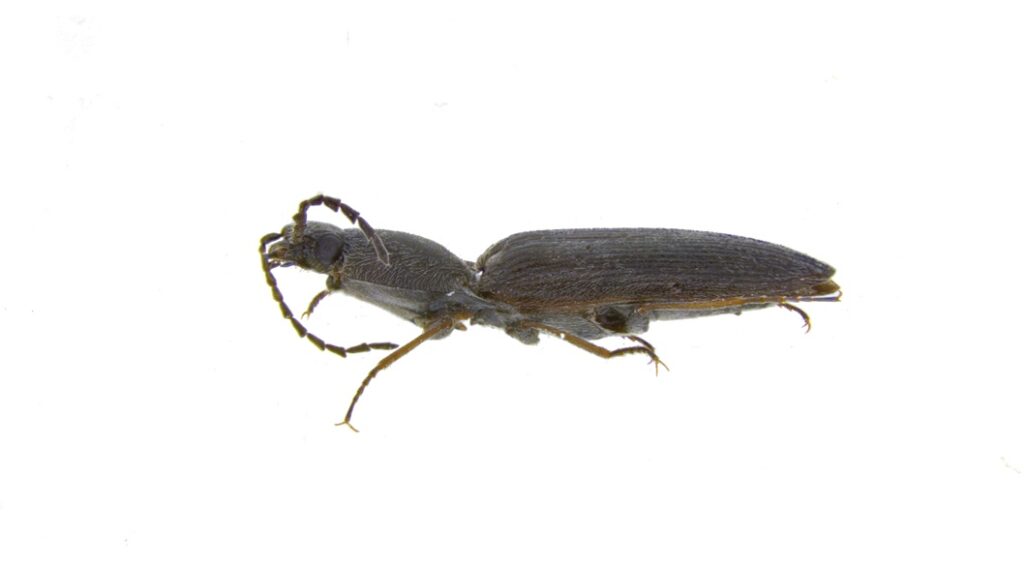
For nearly a decade, Sexsmith area farmer and Alberta Grains region 6 director Greg Sears has opened his fields to researchers for pest studies. These researchers set traps, use sweep nets and record findings. During a routine sweep in 2022, the net captured a donkey click beetle (Dalopius asellus), an uncommon type.
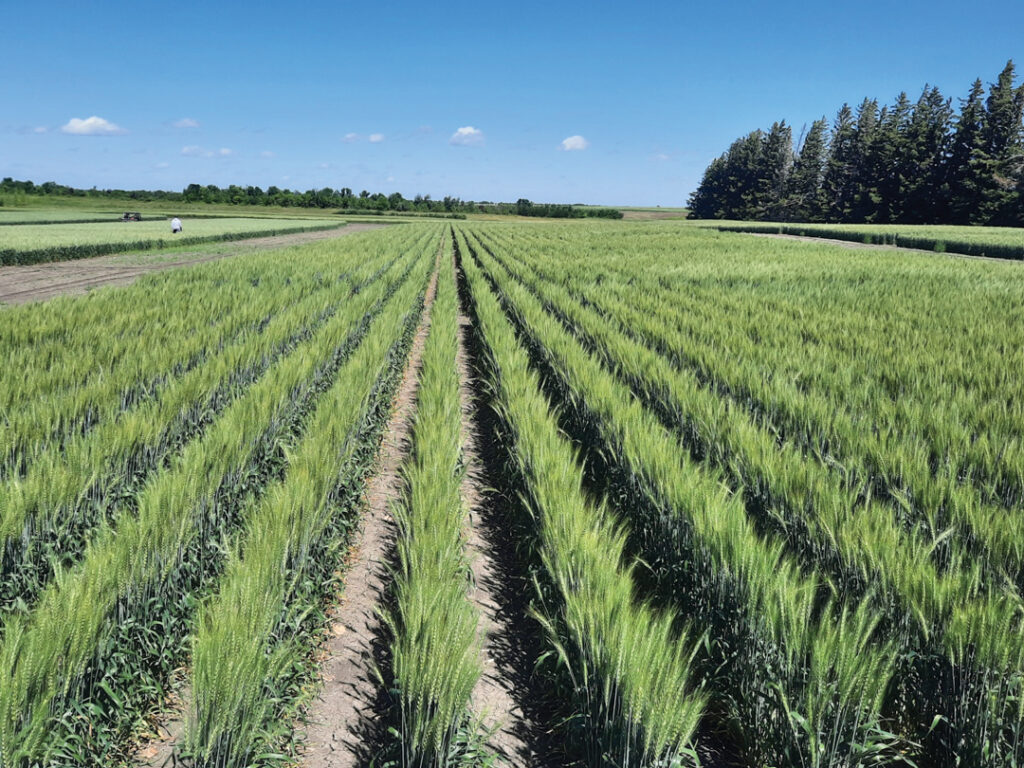
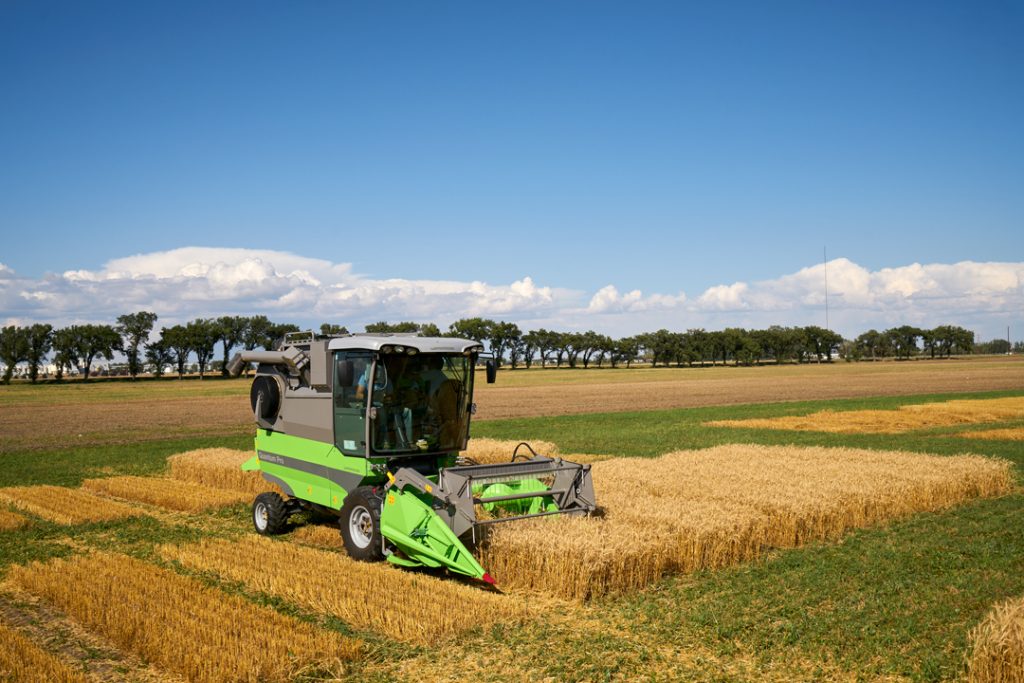
Agriculture and Agri-Food Canada crop breeder Harpinder Randhawa has made impressive gains in soft white spring wheat breeding in recent years, and AAC Raymond is his latest success. “Soft whites are unique in their end-use potential,” said Randhawa, who works at the Lethbridge Research and Development Centre. “Historically, soft white wheats have been grown in southern Alberta and Saskatchewan for milling cookies, cakes and biscuits. Owing to their low protein and high starch content, however, they are also ideal for ethanol and brewing malt.”
For Canadian grain farmers, the timing couldn’t be better. Organized by Agriculture and Agri-Food Canada (AAFC), a late July trade mission to the Indo-Pacific region aimed to bolster ties with Indonesia, the Philippines and Singapore—three key buyers of Canadian cereals in the region. Cereals Canada CEO Dean Dias joined AAFC Minister Heath MacDonald and representatives of six additional major agricultural organizations to strengthen relationships in a region that annually imports more than a quarter of Canada’s total agricultural exports.
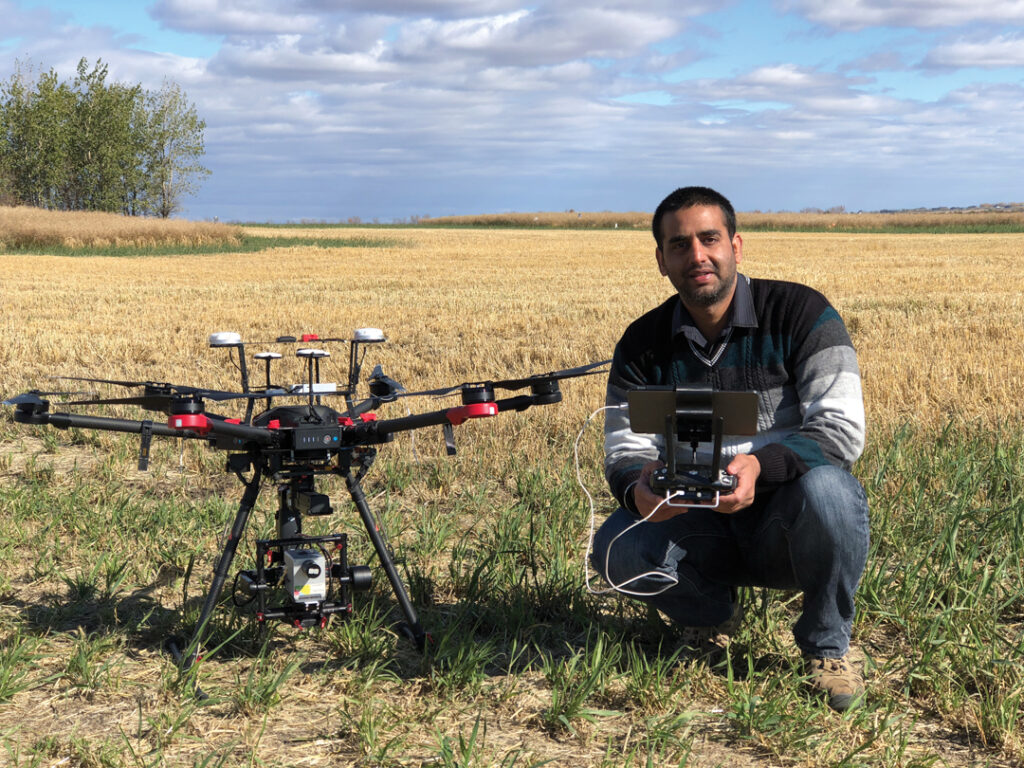
Agriculture and Agri-Food Canada (AAFC) research scientist Keshav D. Singh envisions Alberta as an agricultural powerhouse to rival California.
Built on strong variety development, Canadian grain has a solid reputation for high quality. However, industry experts increasingly warn this has been put at risk by waning investment, a cumbersome variety registration process and plant breeders’ rights that are often criticized as weak.
In February, the federal government created the new Canada Indo-Pacific Agriculture and Agri-Food office (IPAAO) in Manila, the capital city of the Philippines. The facility is intended to expand trade opportunities in the region. “The creation of the IPAAO is unprecedented for Canada’s agriculture sector,” said an Agriculture and Agri-Food Canada (AAFC) spokesperson. “It is the first time the sector will have a regional office dedicated to the Indo-Pacific region as a whole under Canada’s Indo-Pacific Strategy.”
CWRS farmers in widespread pockets of the western Prairies have experienced increased wheat stem sawfly populations in recent years. Researchers and agronomists are concerned the pest may become increasingly prevalent if drought conditions continue.
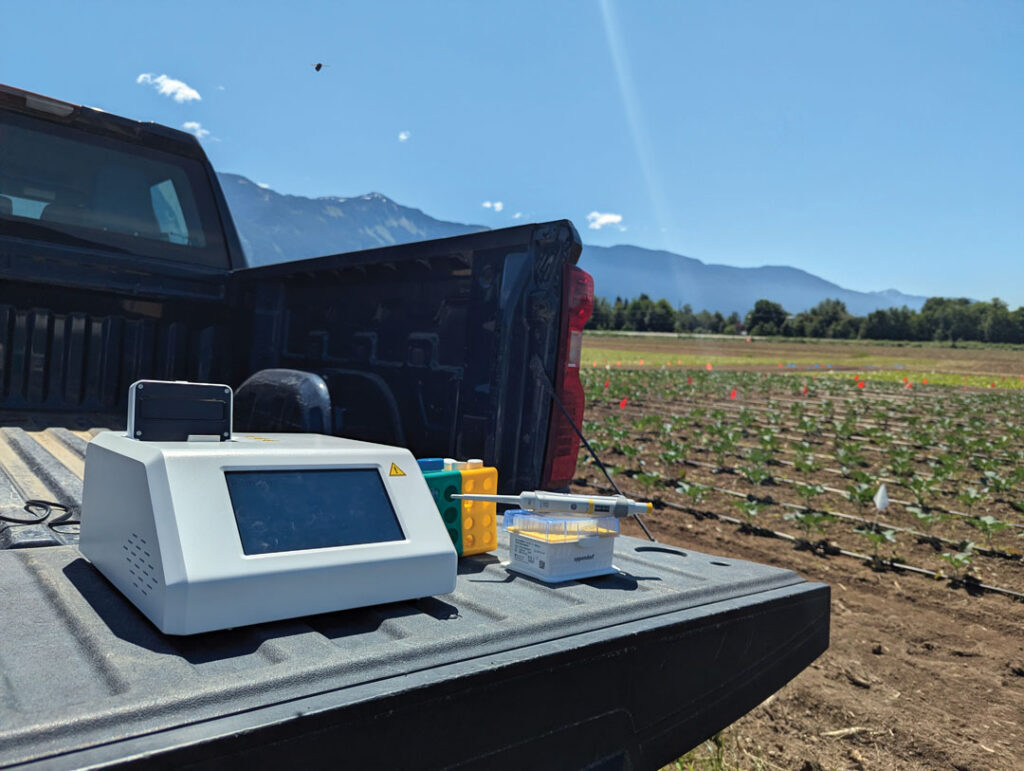
It’s a lengthy and involved process to identify herbicide-resistant weeds that pose a steadily growing threat to farm fields. With almost $500,000 in funding provided by Results Driven Agriculture Research, a project is now underway at the Agriculture and Agri-Food Canada Lethbridge Research and Development Centre to simplify the procedure with the creation of rapid tests.