


DESIRABLE DIGITS
Understanding falling number (FN) in wheat can help farmers make informed decisions about harvest quality. The FN test measures the activity of the enzyme alpha-amylase in wheat. This activity is caused by pre-harvest sprouting.

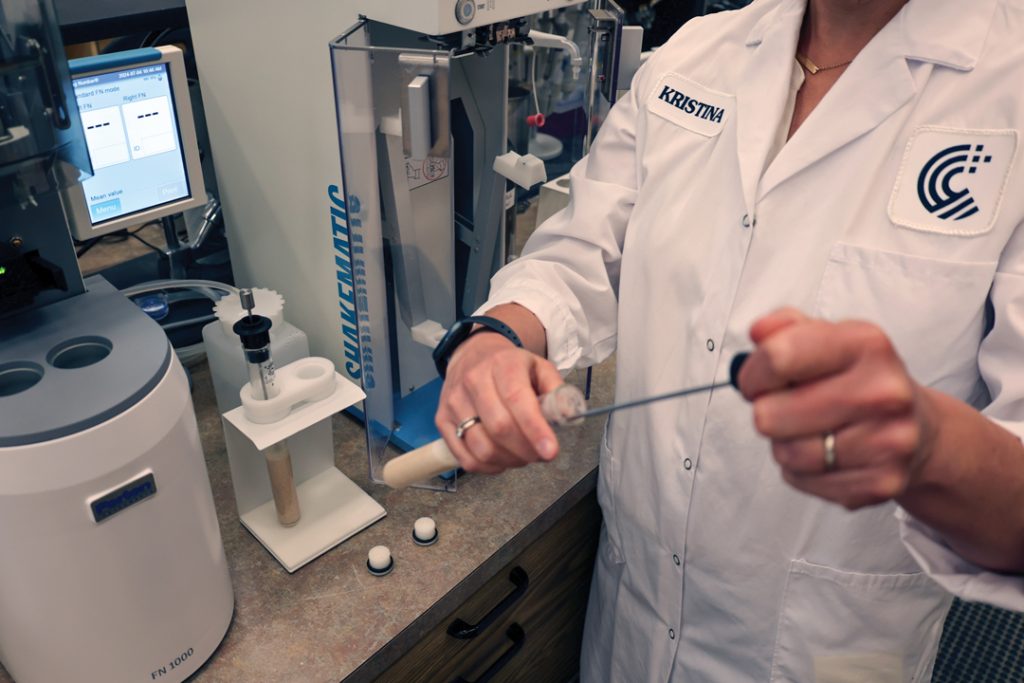
Understanding falling number (FN) in wheat can help farmers make informed decisions about harvest quality. The FN test measures the activity of the enzyme alpha-amylase in wheat. This activity is caused by pre-harvest sprouting.
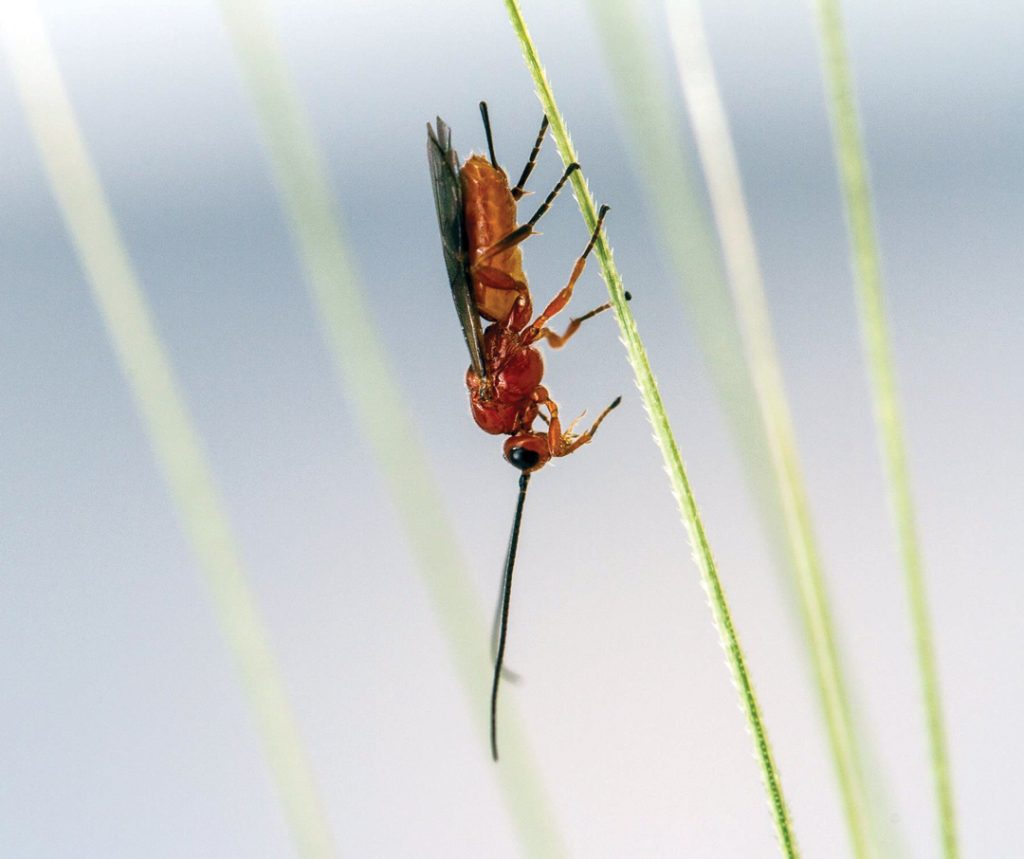
CWRS farmers in widespread pockets of the western Prairies have experienced increased wheat stem sawfly populations in recent years. Researchers and agronomists are concerned the pest may become increasingly prevalent if drought conditions continue.
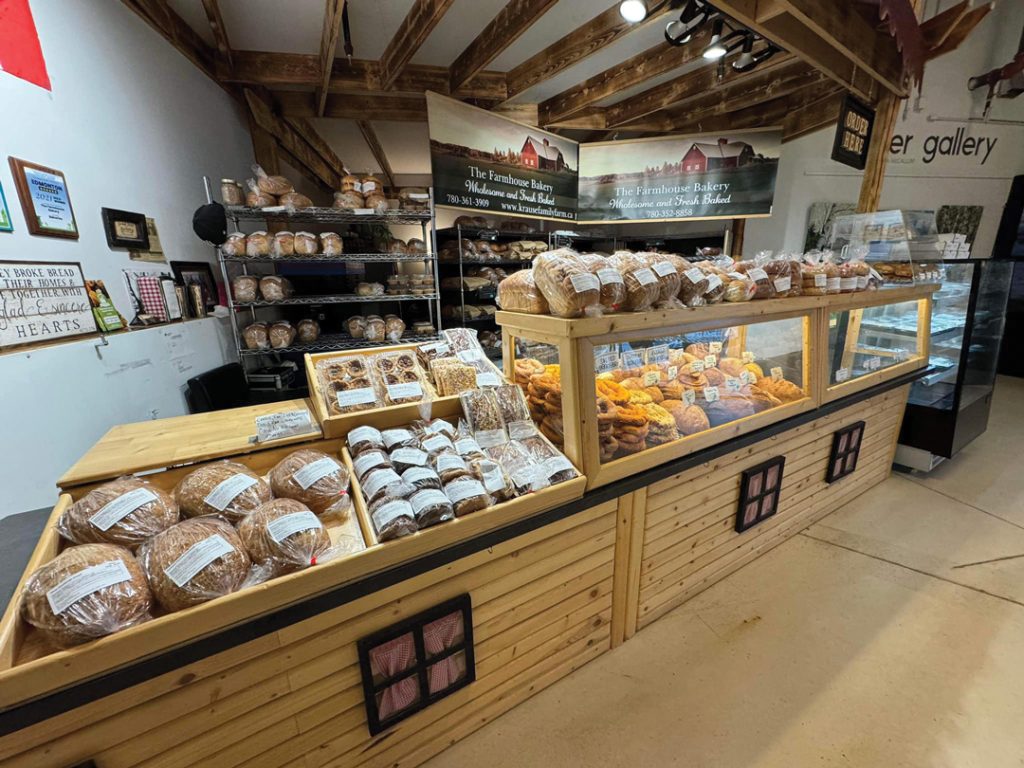
When CommunityVotes Edmonton declared its 2023 winning bakeries, The Farmhouse Bakery tied with Freson Bros. for the popularity contest’s top award. While Freson is an Alberta grocery chain, Farmhouse is a small operation with an outsized reputation.

CEO Kurt Kinnear credits the problem-solving spirit of 4-H for the success of the Alberta organization. “Innovation is the root of 4-H, and we need to bring that back to continue the growth of this program to give more Alberta youth the 4-H experience. The future will hold a lot more pilot projects and new ideas.”
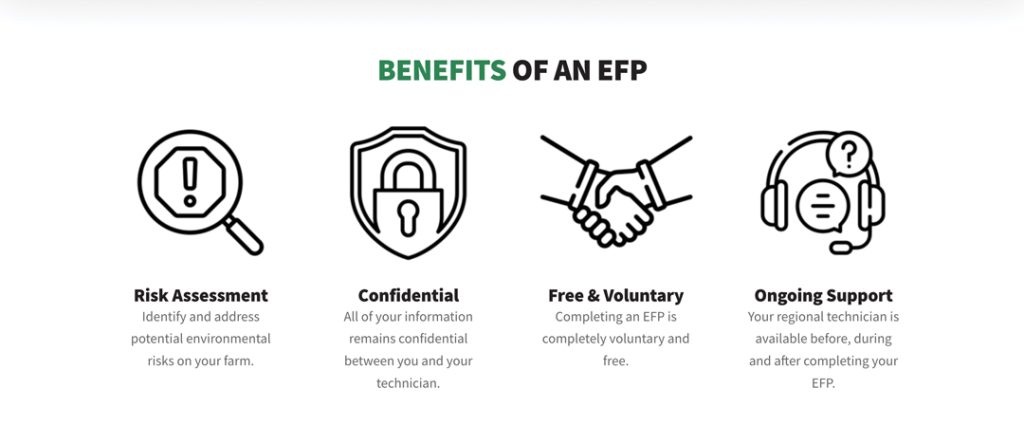
Starting in 2025, farmers with allowable net sales greater than $1 million must complete an agri-environmental risk assessment to receive funds from AgriInvest. A business risk management savings program of the Sustainable Canadian Agriculture Partnership (SCAP), government will match farmer contributions up to one per cent of their net sales. Though details are yet to be fully developed, according to Agriculture and Agri-Food Canada, an Environmental Farm Plan (EFP) can be used to meet the requirement.

Largely unfamiliar to North Americans, barley tea is a staple in much of Asia, where it is consumed by people of all ages. Sisters Janice Ishizaka and Cilla Watkins launched The Canadian Barley Tea Company to introduce Canadians to the beverage.
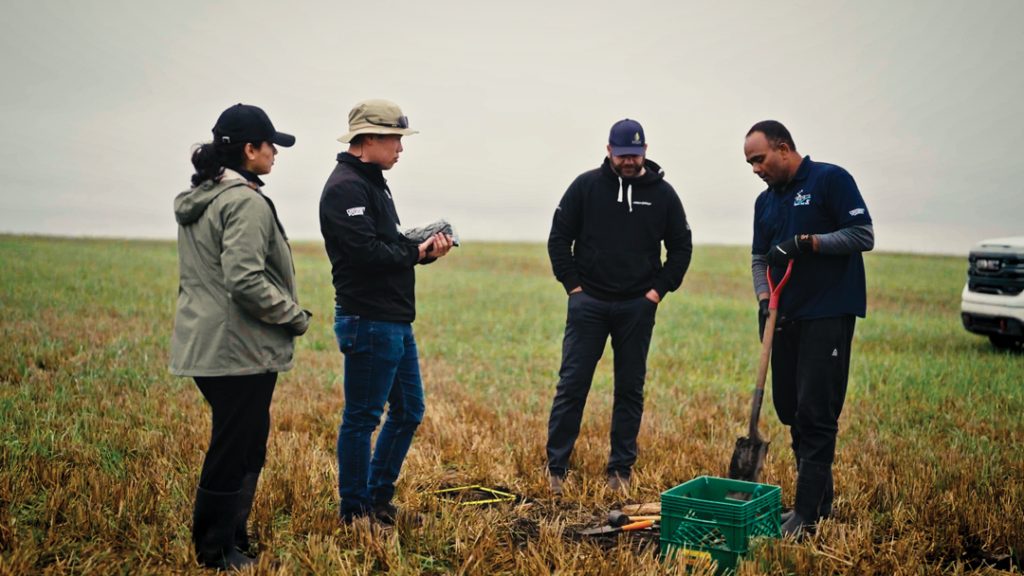
The Canadian Alliance for Net-Zero Agri-Food (CANZA) recognizes the carbon credit market can potentially create agricultural revenue streams. As agricultural carbon pricing has slowly developed in recent years, sequestration has typically been measured by lab analysis of soil samples. Though effective, it is a slow and costly process. A rough estimate of $3.30 per acre for sample analysis would be combined with the cost of sampling and further processing. Farmers who wish to participate in the carbon assets market may require speedier data delivery at a lower cost.

BY IAN DOIG Kelly Dobson, a Manitoba farmer and certified executive coach, leads the National Farm Leadership Program in partnership with Farm Management Canada. The eighth iteration of the program kicks off Jan. 29, 2024, and the deadline to apply for this cohort is January 26. “Each year, the program grows and adapts,” said Dobson. […]
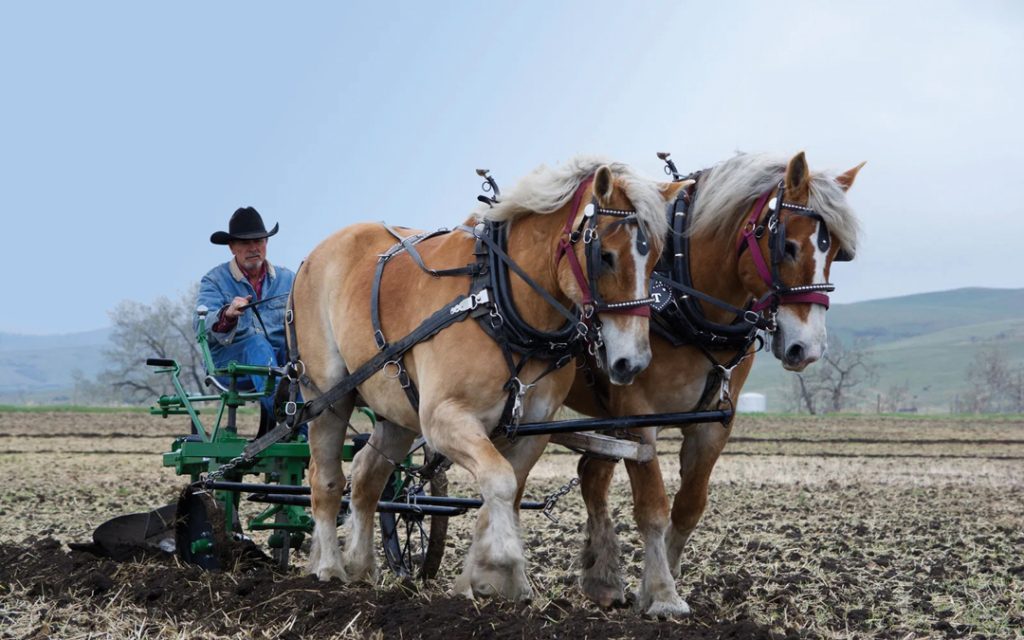
Located in a tidy, red tin barn just east of Calgary, Alberta Carriage Supply is the busiest equestrian equipment enterprise this side of the year 1901.
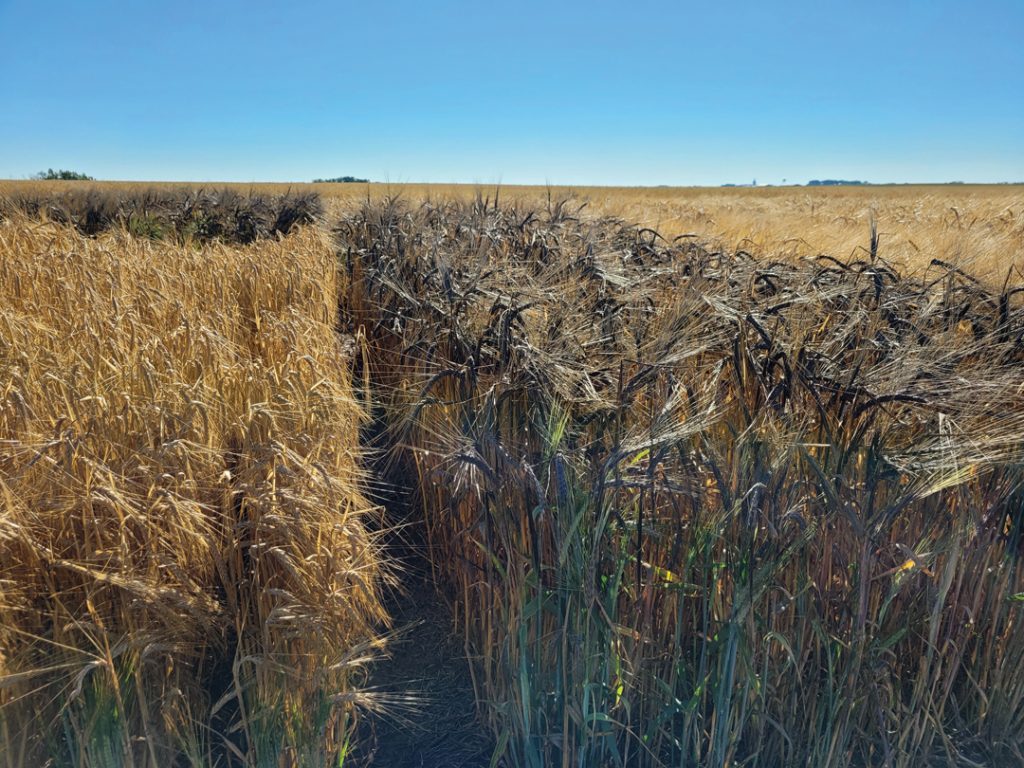
There’s an old saying: A garden of purple is always in bloom. A new barley variety promises one loaded with anthocyanins, a natural pigment with antioxidant properties linked to lowering the risk of diseases such as hyperglycemia, hypercholesterolemia and cancer.