TRANSFERABLE SKILLS
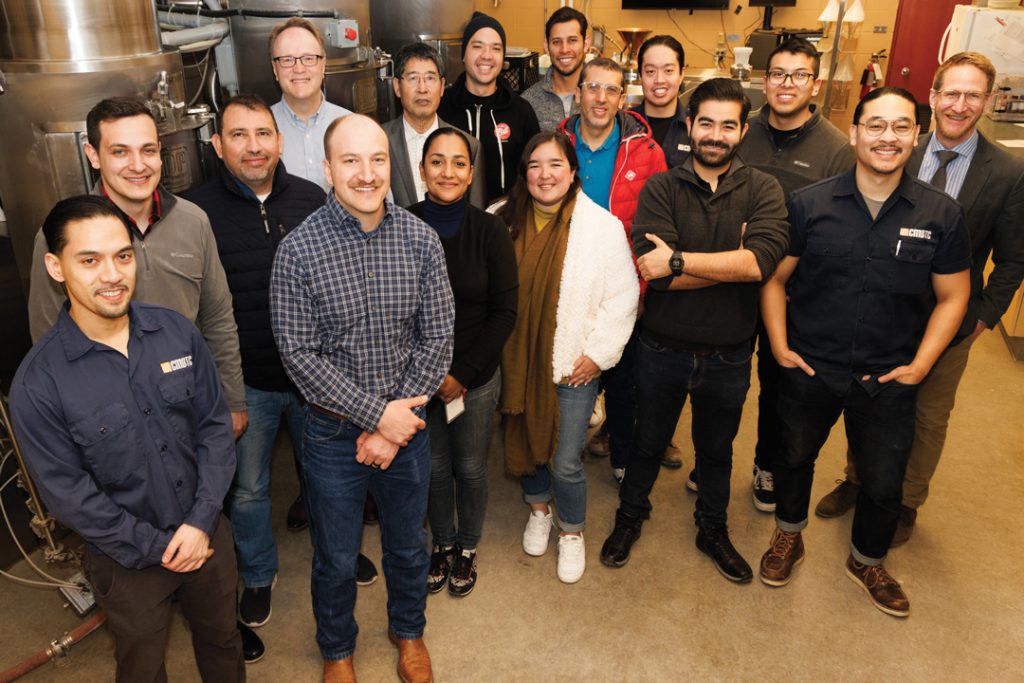
An innovative new Prairie program gives skilled, mid-career professionals the opportunity to refresh their occupational journey and injects much-needed talent into the agri-business field.
Launched in June by the Alberta Small Brewers Association (ASBA), the Alberta Ale Trail website is a carefully curated, year-round provincial tourism guide geared to local and international craft beer enthusiasts. The website promotes the province’s entire brewing sector in one convenient resource that features interactive trail maps. With the province’s burgeoning brewing industry as its central hook, tour itineraries incorporate complementary activities, attractions and accommodations that play to the broader tourism strengths of each region. The site also features a beer-themed events page.
As part of a two-year project, the University of Alberta is building the Database on Alberta Soil Health (DASH). The goal is to create an online resource that marries soil data with associated agronomic and climate data to generate recommendations for use by farmers, soil scientists and agronomists.
FuelPositive of Waterloo, ON, has the ambitious goal to disrupt the global ammonia industry with its customizable, on-farm production system. These modular, containerized units would allow farmers to produce their own anhydrous fertilizer and, eventually, fuel. It’s a timely project given recent input cost fluctuations.
In the battle against Fusarium Head Blight (FHB), research from the University of Saskatchewan suggests fungi versus fungi is the undercard to watch.
Saskatchewan-based cartographer Alex McPhee makes western Canadian maps with a high level of detail and accuracy. Despite his growing reputation, potential customers occasionally try to spot omissions.
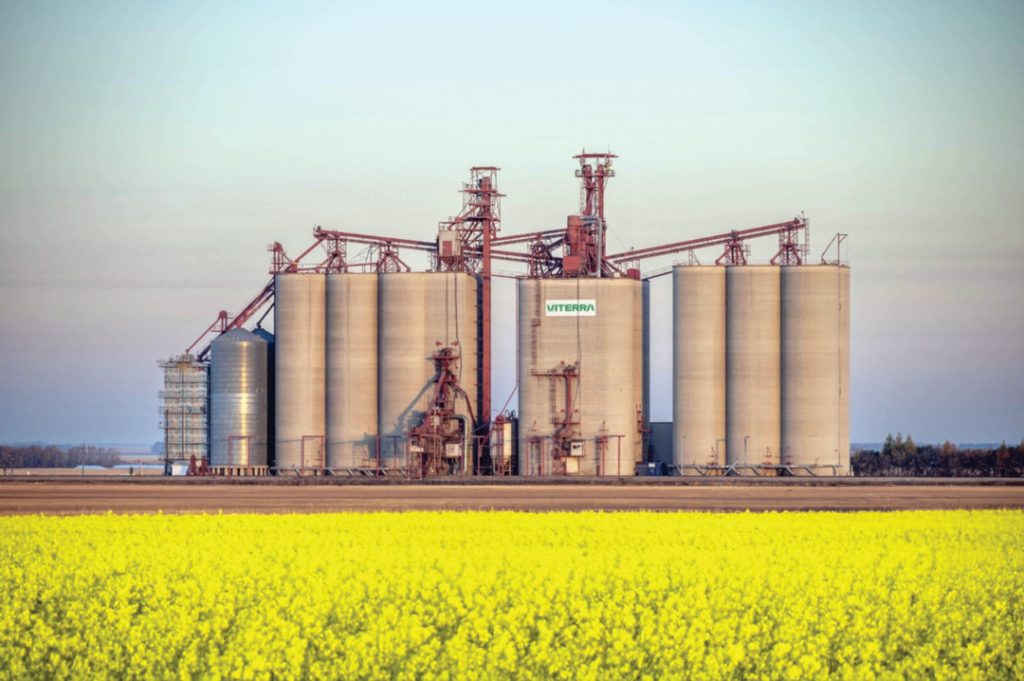
An overarching goal of the grain industry is to maximize production and processing efficiency. However, Canada’s post-harvest system is not perfect. Post-harvest losses in Canada are said to be north of $1 billion annually.
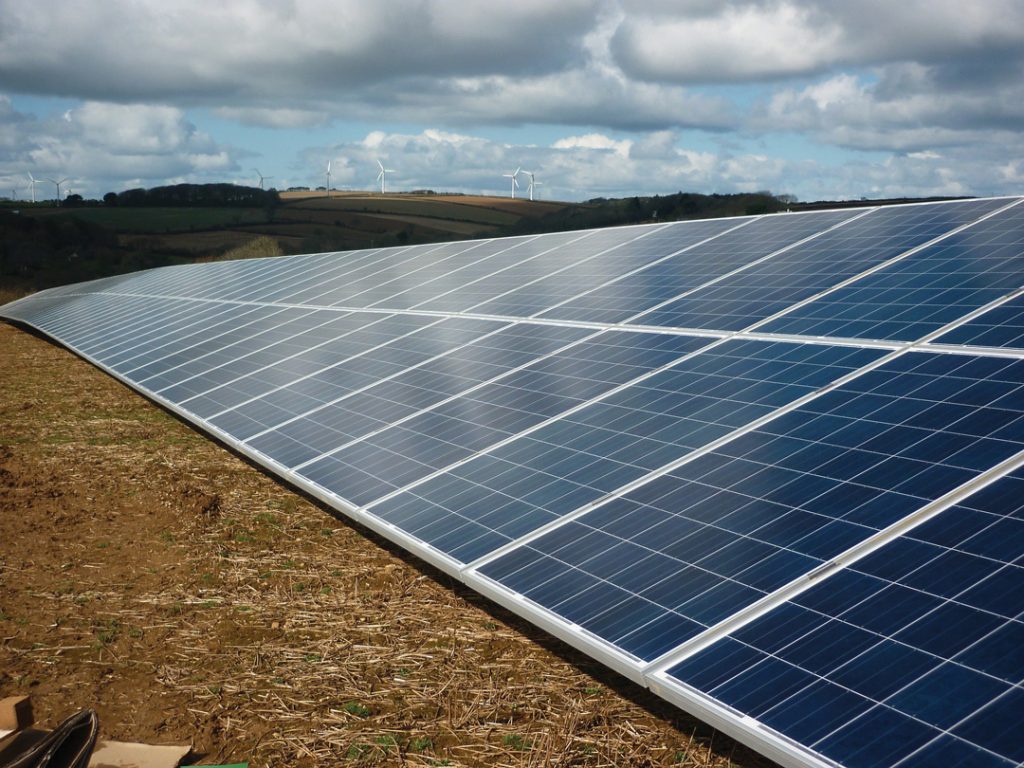
Rural Albertans are known for their support of landowner rights and the free market. However, the contracting of farmland to utility-scale renewable energy projects including solar farms has divided communities. Though these projects can create an attractive revenue stream for individual landowners and a lucrative tax injection for municipalities, they can be very unpopular with neighbours. Renewable development is unlikely to stop, but public concern may affect the way in which projects are structured and approved.
Ducks Unlimited Canada (DUC) has deployed sensor-equipped towers to a pair of agricultural properties in Manitoba. The project’s lead scientist, Pascal Badiou refers to these advanced air monitoring tools as “Star Trek technology.”
Cellular agriculture is poised to become a growth industry. The term refers to the engineering of plant or animal cells to create a food product or ingredient. The technology has been used for decades to produce food enzymes and proteins. For example, since the 1990s, 80 per cent of the rennet used in cheese making worldwide is produced by protein fermentation rather than traditionally sourced from calves’ stomachs. Cellular agriculture is also known for its potential to commercially produce animal proteins that closely mimic the meat of farmed animals.