Most read

NEWS

CWAD CONCERNS

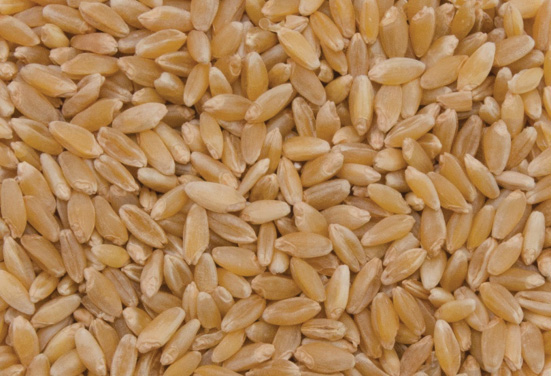
Farmers struggled with multiple issues in their durum last year. This was apparent in the Harvest Sample Program submissions graded by the Canadian Grain Commission (CGC). Only 22 per cent of farmers received a No. 1 grade. Another 22 per cent scored No. 2 and 39 per cent hit No. 3. Severe issues caused by midge damage, darkened kernels and mildew were the primary reasons many farmers experienced downgrades.

Keep Reading
WILD OAT THREAT TOUGH TO TAME

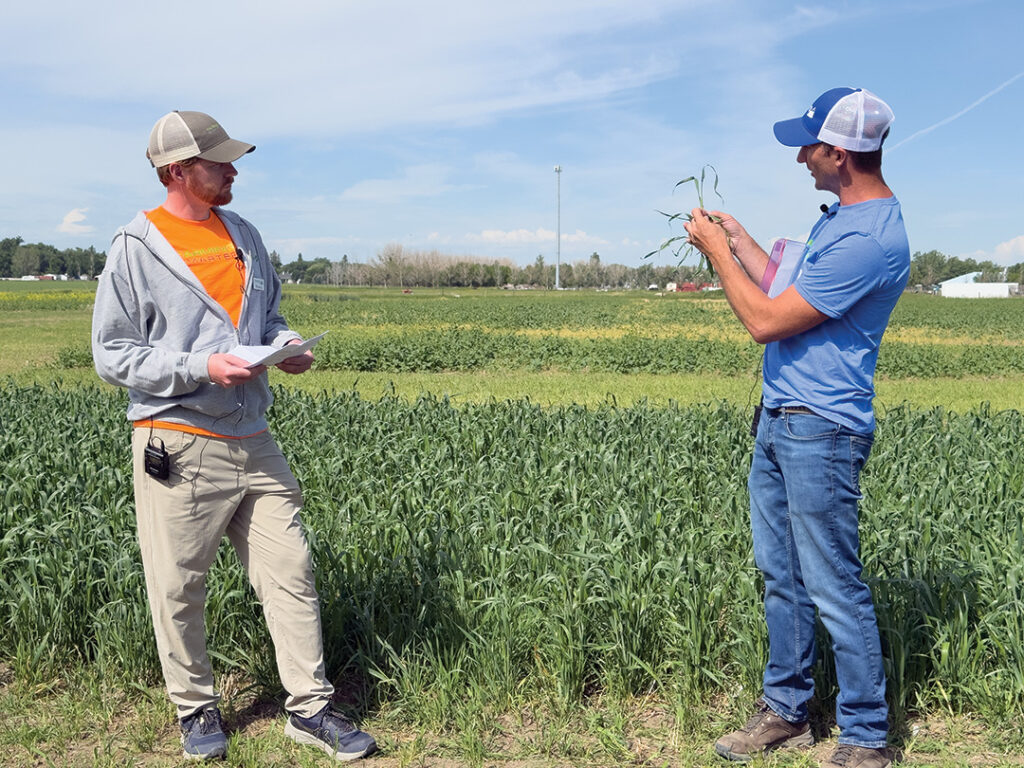
The need to control herbicide-resistant wild oat has become increasingly urgent. In response, a new three-year study by Farming Smarter will examine the effectiveness of agronomic practices to manage wild oats in canola, peas and wheat. The project is supported by a $60,000 grant from Alberta Grains, $26,000 from Farming Smarter and $52,000 from RDAR.

Keep Reading
VISION QUEST

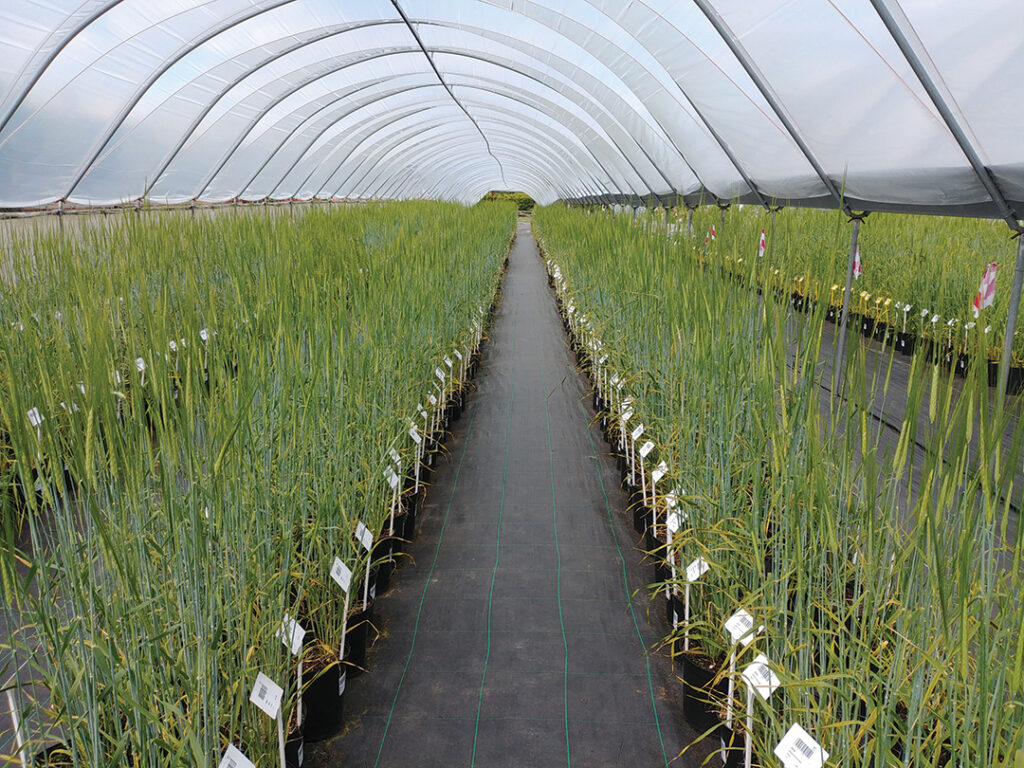
Western Canadian cereal breeding is at a tipping point. The Canadian Wheat Research Coalition (CWRC) came to this conclusion last year after the group commissioned a review that identified significant gaps and risks in the current wheat breeding system. These were particularly evident in variety development and pre-market evaluation.

Keep Reading
RESEARCH GROUP SEEKS CO-OPERATION

The Dundee, Scotland-based International Barley Hub (IBH) aims to unite barley growing countries to improve the crop’s resistance to climate change. The initiative is supported by its parent organization, James Hutton Institute, an internationally renowned plant science research institute. 

Keep Reading
A PLACE TO GROW

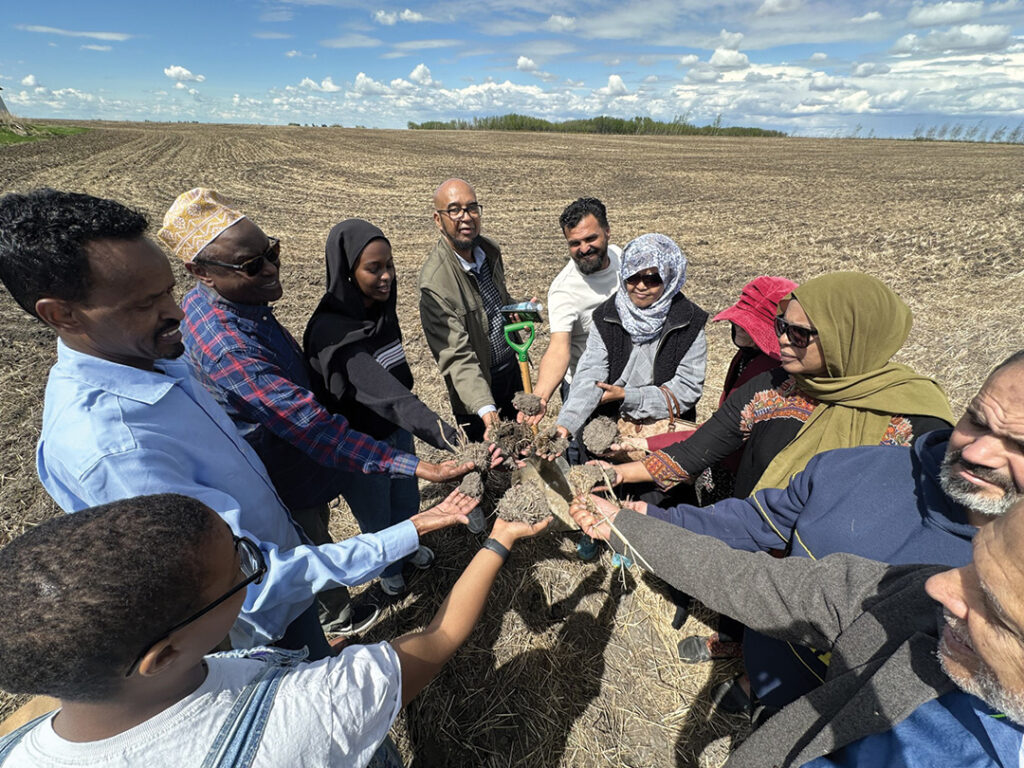
On a patch of farmland near Westlock resembling a big community garden, 20 immigrant farmers tested one big idea. Kurudi Mashambani, meaning “back to the land” in Swahili, gives newcomers access to soil so they can grow both food and community.

Keep Reading
TRADE SOVEREIGNTY ON THE LINE

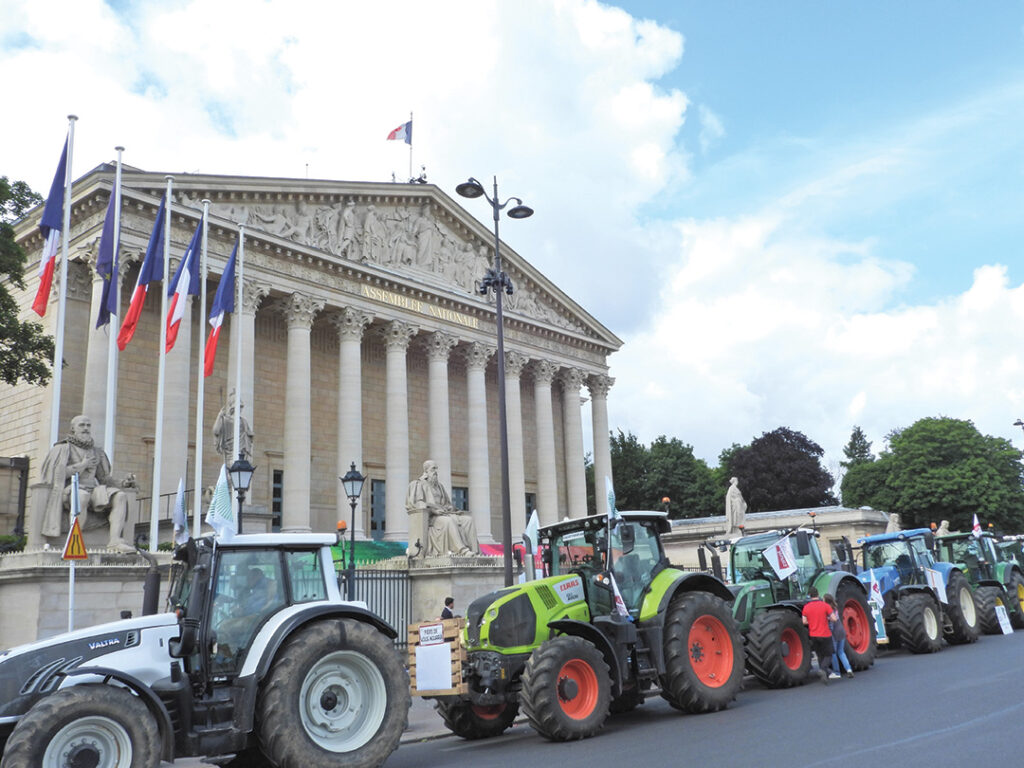
Throughout 2024 and 2025, thousands of frustrated European farmers blocked major highways and shut down the continent’s busiest cities. This was in protest of soaring fuel and fertilizer costs, the growth of cheap imports that destabilized local markets and tightening environmental regulations. In December 2025, the European Commission responded with the release of its much-anticipated Food and Feed Safety Simplification Package, otherwise known as Omnibus X. The legislative package contained technical, environmental and trade policy mechanisms meant to address farmers’ concerns. But buried in the package is a contentious mirror clause that, if passed, will reduce import pesticide residue limits to a “technical zero” for any substance banned for use in the EU. Neonicotinoids were the first to go; new limits took effect in March. Although it has not specified which ones, Brussels has signalled that more chemistries will follow. The clause raises serious concerns for global trading partners, chief among them Canada, who could be regulated out of European trade for using products declared perfectly safe in their own jurisdictions.

Keep Reading
FEDS WISH TO SUPERCHARGE AG INDUSTRY

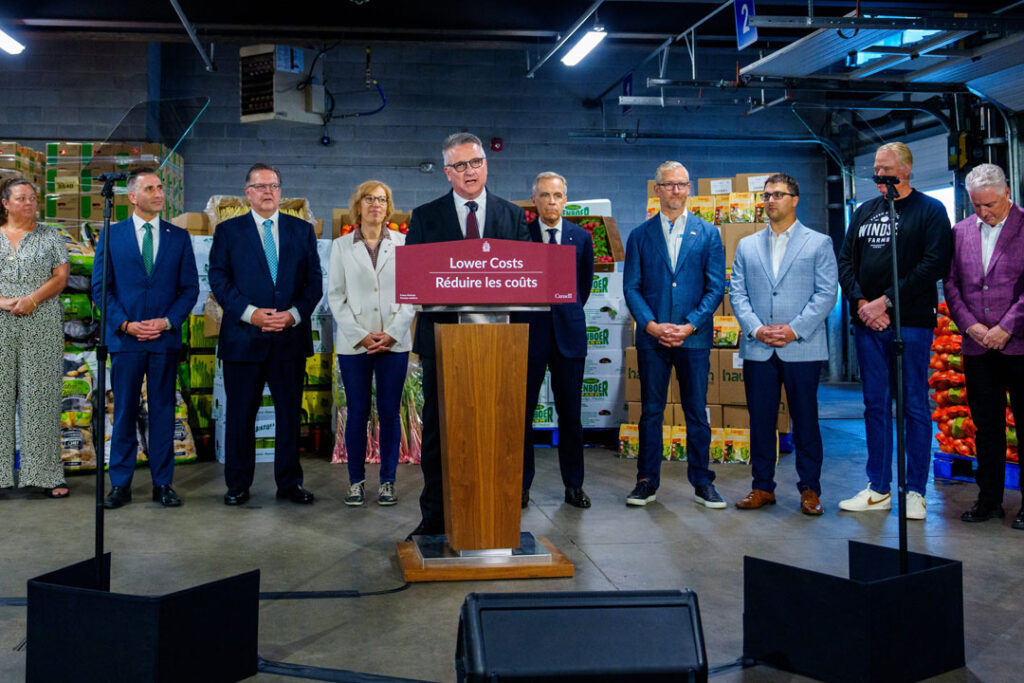
On June 11, 2026, the federal government launched its new National Food Security Strategy. Among its many details is the government’s commitment to reduce regulatory red tape in food production, to improve financial aid programming for farmers and food industry stakeholders and to address the labour shortage in the agriculture industry.

Keep Reading
NEXT-GENERATION SUPPORT

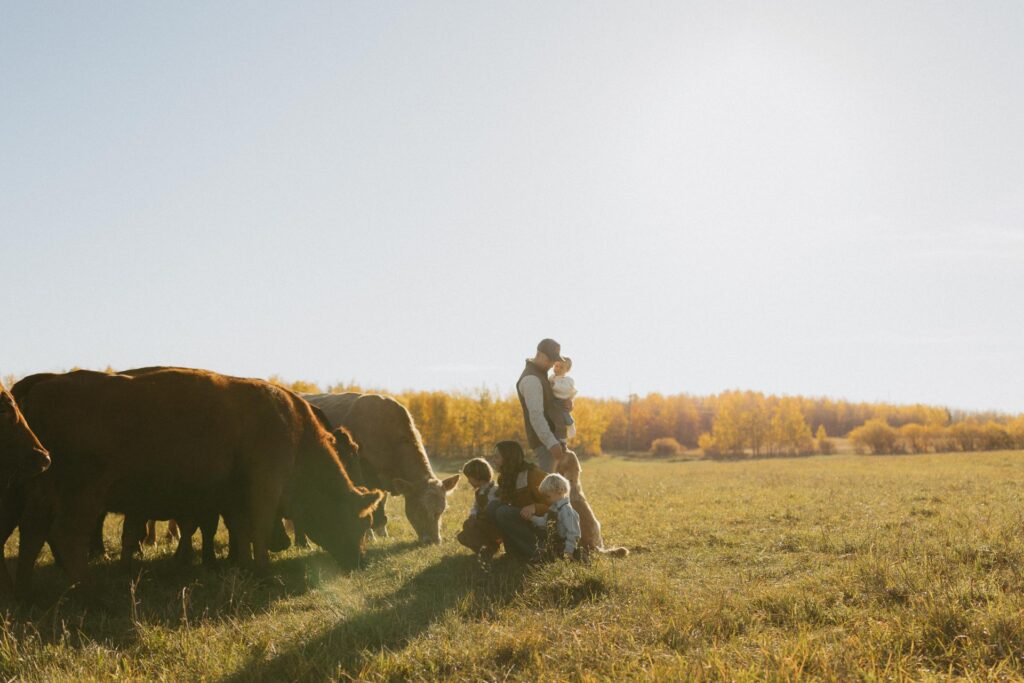
Presented by the Alberta Young Agrarians, farmers in their first decade of operation can apply to enroll in the Business Mentorship Network between Oct. 1 and 31. Participants may be involved in the production of grain, flowers, fruit, honey, livestock, vegetables and more. The 13th year of the initiative will launch with an Oct. 15 online information session.

Keep Reading
Go to TOP