


ALBERTA WHISKY DEFINED
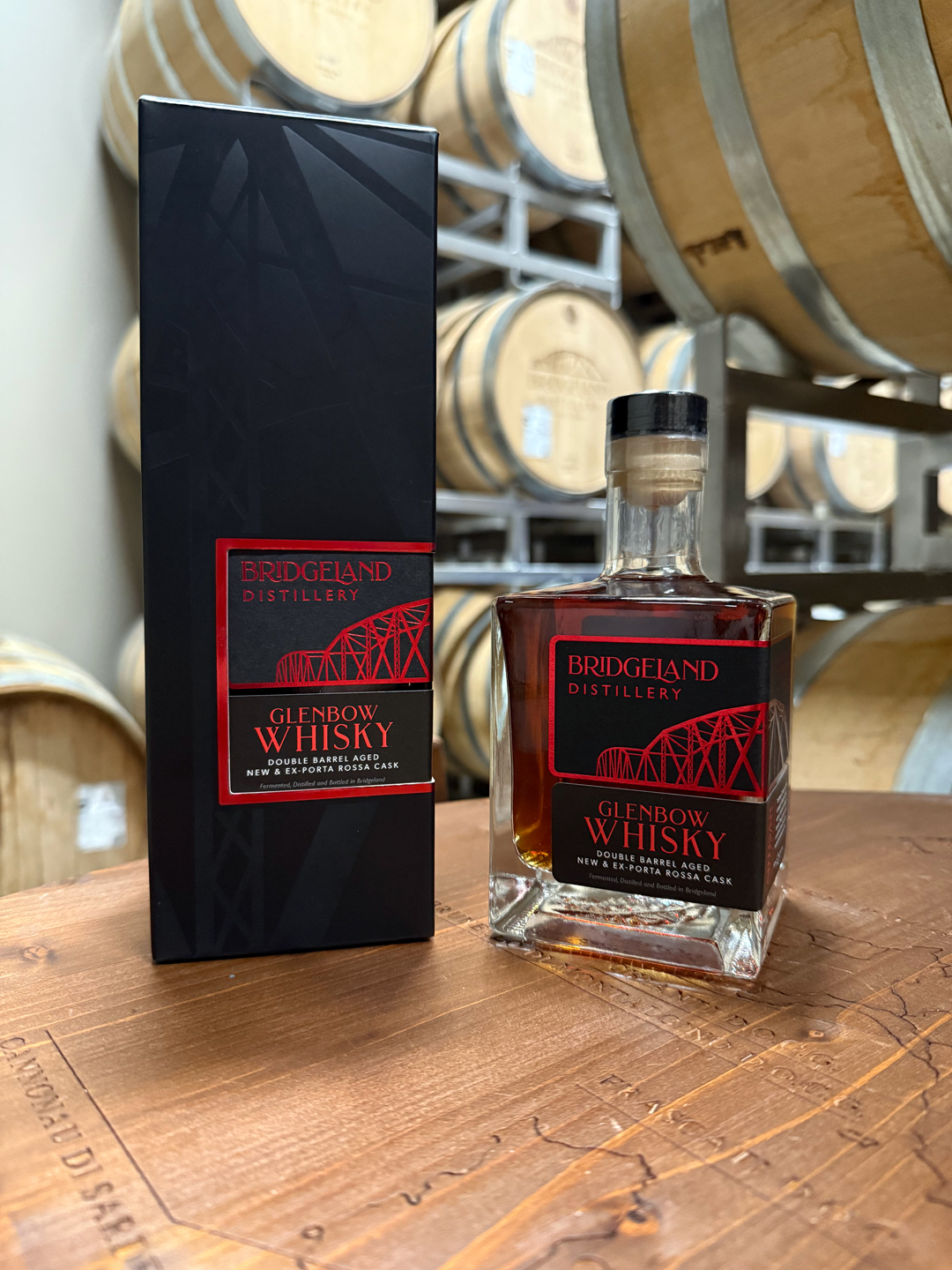
BY DON TSE • PHOTO COURTESY OF BRIDGELAND DISTILLERY
On Oct. 16, 2025, the Premier of Alberta mandated Minister of Service Alberta and Red Tape Reduction Dale Nally to work with Alberta’s distilling industry to define standards for “Alberta whisky.” These standards would then be codified in an Alberta Whisky Act and legally protect the designation.
“Scotch,” “bourbon” and “Irish whiskey” are similarly protected terms. In fact, “Canadian whisky” is already legally defined in the Canadian Food Compositional Standards, part of the country’s Food and Drug Regulations.
Even so, Alberta distilleries are keen to have the term protected. The Alberta Craft Distillers Association has asked for this for 10 years, said association president Bryce Parsons, founder and CEO of True Wild Distilling in Calgary.
“God blessed Alberta with the best barley, water and weather to make the best whisky,” said Parsons. “This is the reason why all of us got into distilling in Alberta. Having a legal definition of ‘Alberta Whisky’ is something Alberta distilleries will be proud of.”
“Canadian whisky is not considered by the world to be a super premium product,” observed Daniel Plenzik, co-founder and distiller at Bridgeland Distillery in Calgary. But defining Alberta whisky may improve perception of the product.
“I think it is one thing that can raise the quality of our industry,” said Jacques Tremblay, co-founder and distiller at Bridgeland and Plenzik’s business partner. “We want to elevate the reputation of Alberta whisky.”
Though distillers want the new regulations, it will be difficult to put parameters around what should and should not be considered Alberta whisky. The spirit has been made in Alberta for decades, including by multinational corporations. And it has been made in a variety of styles.
Andrew Ferguson owns Kensington Wine Market in Calgary, which is regarded as one of the best whisky shops in the world. “Whisky in Alberta has been made from 100 per cent rye, to 100 per cent corn, to single malt and includes mash bills of everything in between,” he said. For this reason, the eventual definition of Alberta whisky is unlikely to stipulate a particular taste profile, the way bourbon does.
Instead, it will likely spell out ingredient-sourcing requirements and require the whisky to be mashed, fermented, distilled and aged in Alberta. Whether the definition should also require the whisky be bottled in Alberta is up for debate; at least one large distiller bottles its product elsewhere. In this sense, the term will act more like a quality indicator, similar to Vintners Quality Alliance in Canadian wine.
“It is well-known that Canada has some of the best malting barley in the world,” said Stephen Beaumont, an internationally recognized whisky writer and industry observer based in Toronto, ON. “I’d like to see more effort to market Canadian grain in Canadian whisky.” The Alberta government’s efforts could take this a step further with acknowledgement of the unique quality of Alberta grains.
“It’s not just about our water and our malt,” said Charlie Bredo, president and co-founder of GrainHenge Whisky in Red Deer. “It reflects the Alberta spirit. It will show the world that we do things differently and that we do things in a world-class way.” Bredo should know. GrainHenge Arrowwood was named the world’s best rye at the 2025 World Whiskies Awards.
The word is out, Alberta produces great whisky, and this special designation will help distillers market their products to the world.
Comments