


OUT OF CONTROL
In early February, the federal Pest Management Regulatory Agency (PMRA) rejected an emergency use application submitted by the Alberta and Saskatchewan governments to make strychnine available for use against gophers.


In early February, the federal Pest Management Regulatory Agency (PMRA) rejected an emergency use application submitted by the Alberta and Saskatchewan governments to make strychnine available for use against gophers.

Team Alberta Crops conducted a three-year, $1.5-million project to measure pesticide concentrations on farm wetlands. The organization’s commission members, product manufacturers and Results Driven Agriculture Research provided funding.
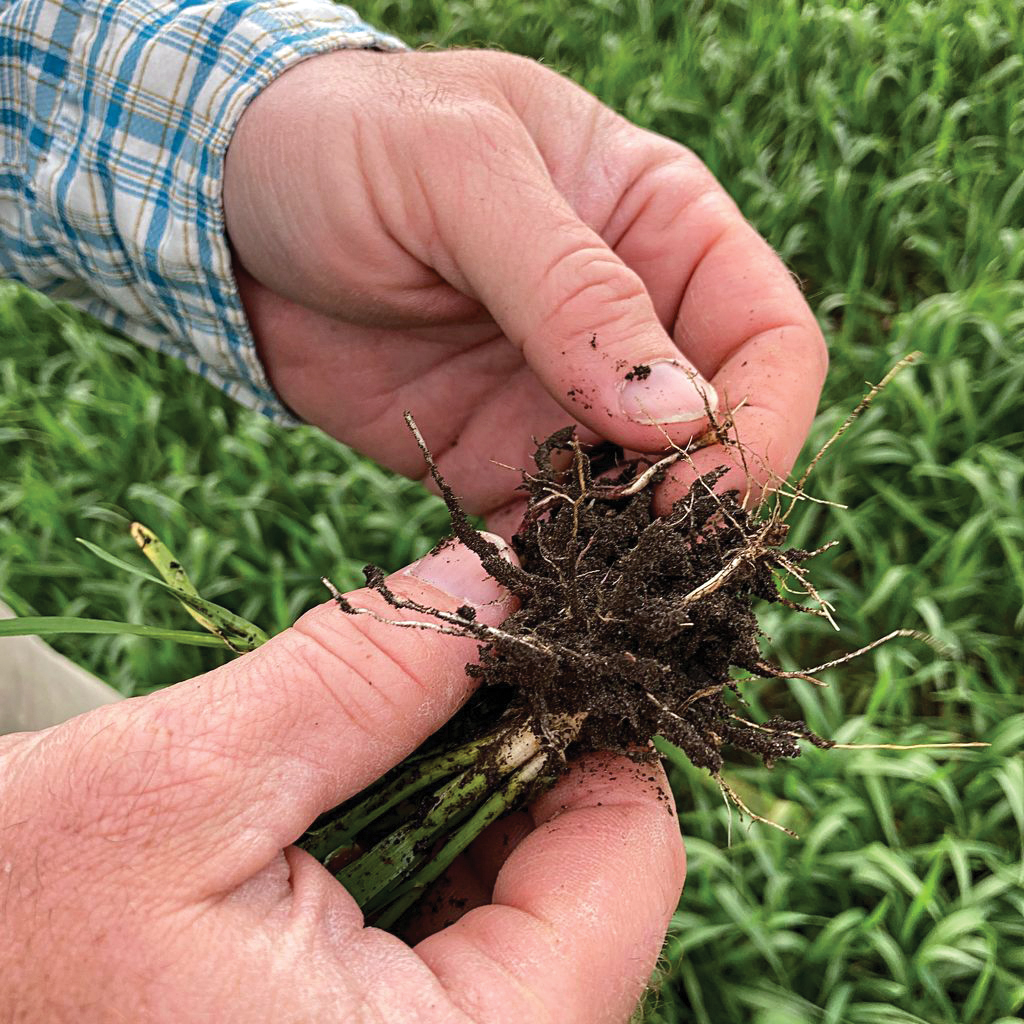
Substantial growth in the biologicals market has been driven in part by stricter pesticide regulations and by farmers who wish to produce higher yielding, more resilient crops. Biologicals represent a broad category of plant protection products, including biostimulants, biopesticides and biofertilizers.

Insect pests such as grasshoppers and flea beetles pose a significant perennial threat to western Canadian farmers. Once again, this year, they threatened to wreak havoc on Prairie grains, oilseeds and pulse crops. And one of the most effective pest management tools, lambda-cyhalothrin (branded as Matador and Silencer) was not much help, as it has become the latest victim of a federal bureaucracy that is in many ways out of touch with agriculture.

On a bright but chilly day last October, Nevin Rosaasen, Alberta Pulse Growers (APG) sustainability and government relations lead, and Hayley Webster, the commission’s Adaptation Resilience Training project assistant, made their way to a small slough on Hannah Konschuh’s farm near Cluny. Konschuh, a former Alberta Wheat Commission (AWC) director, joined them for the short hike down from an adjacent dirt road to examine this modest, semi-permanent wetland.

The Pest Management Regulatory Agency (PMRA) is looking at changes to tank-mix policy. These adjustments could make many tank-mixes illegal. This is a concern for farmers and industry groups as the issue reflects policy conflicts and not the correction of potentially unsafe application practices.
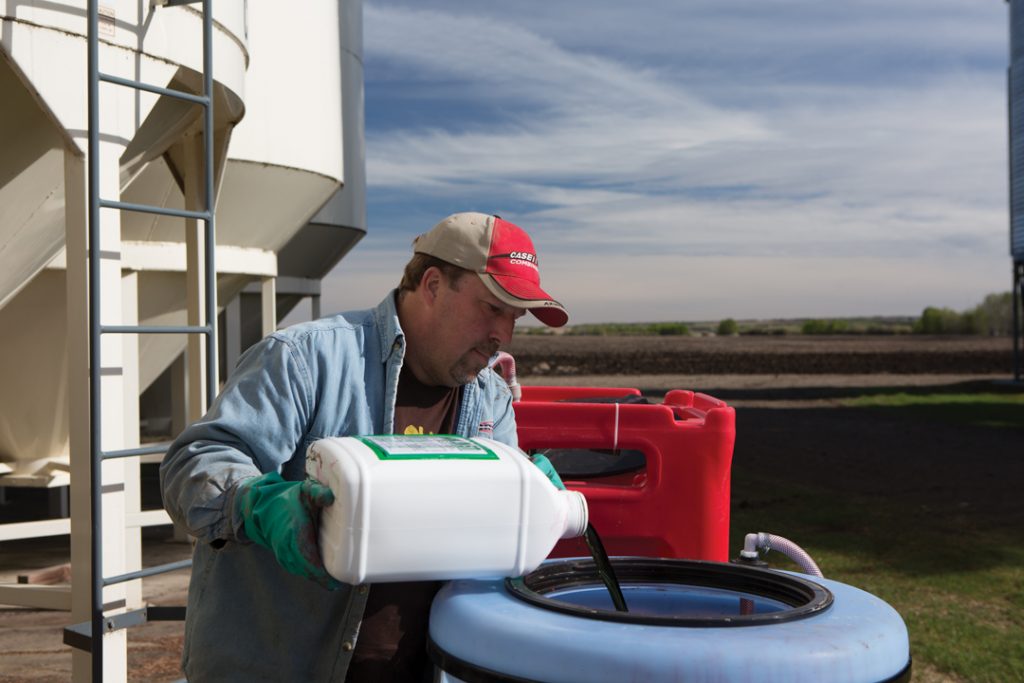
Western Canadian farmers may experience a few hiccups of their own when it comes to protecting their crops thanks to recent decisions by Health Canada’s Pest Management Regulatory Agency (PMRA) surrounding three common neonicotinoids.