Most read

Today Highlight

AQUIFER ASSESSMENT

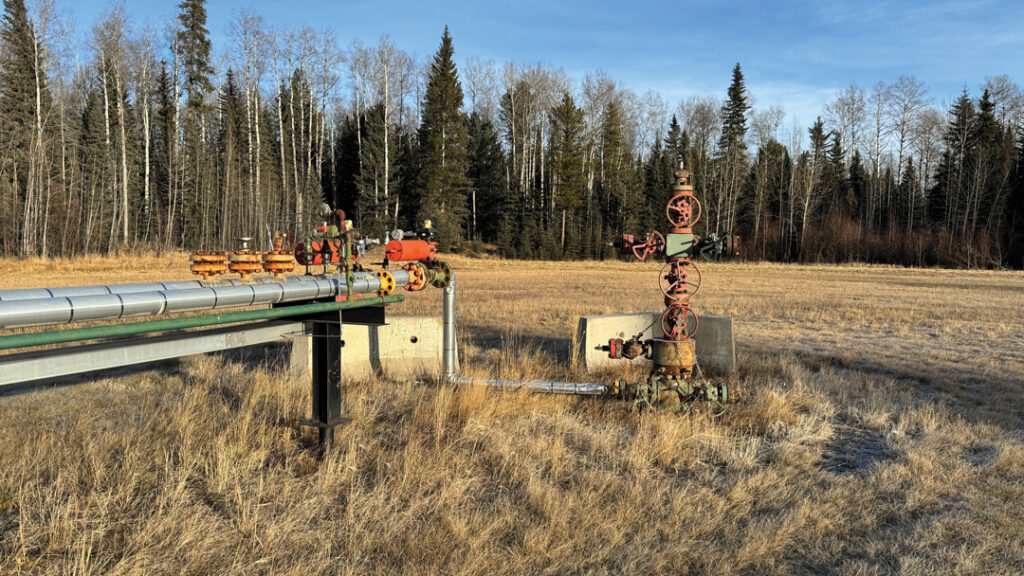
Farmers and rural communities in southern Alberta are heavily dependent on the health of the region’s ground and surface water resources. Much of the province’s 815,000 hectares of public and private irrigation is contained within the South Saskatchewan River Basin (SSRB). Here, 13 districts serve 556,000 hectares of farmland and 40 communities that include Calgary, Lethbridge and Medicine Hat as well as many rural properties.

Keep Reading
A REAL GRIND

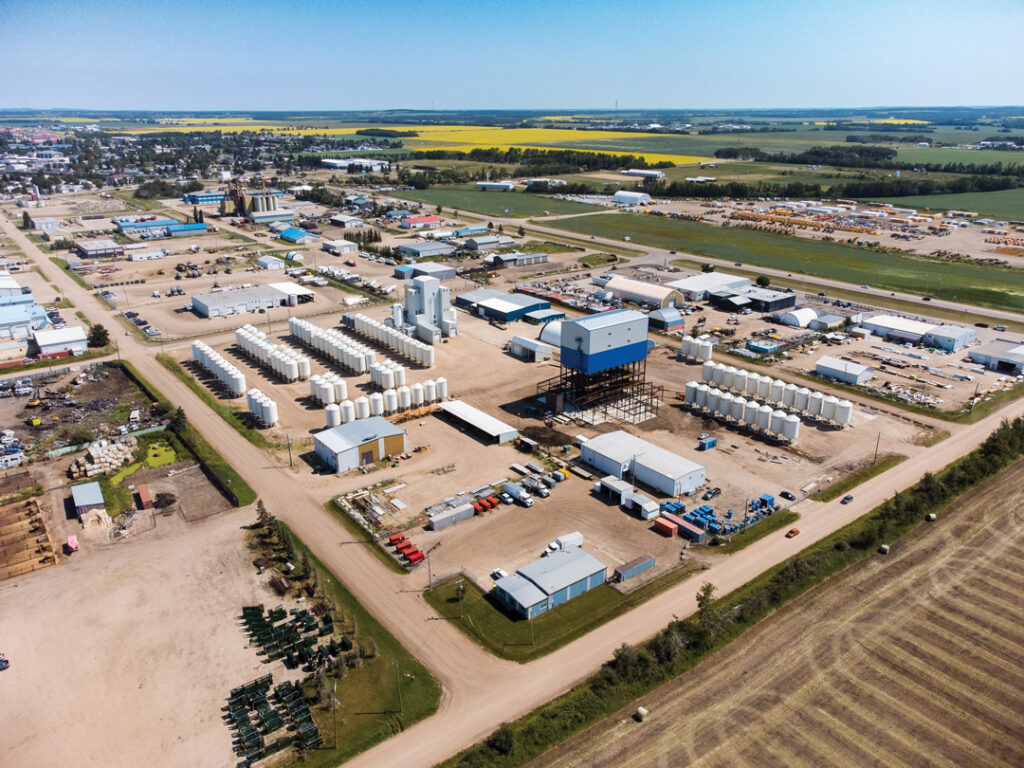
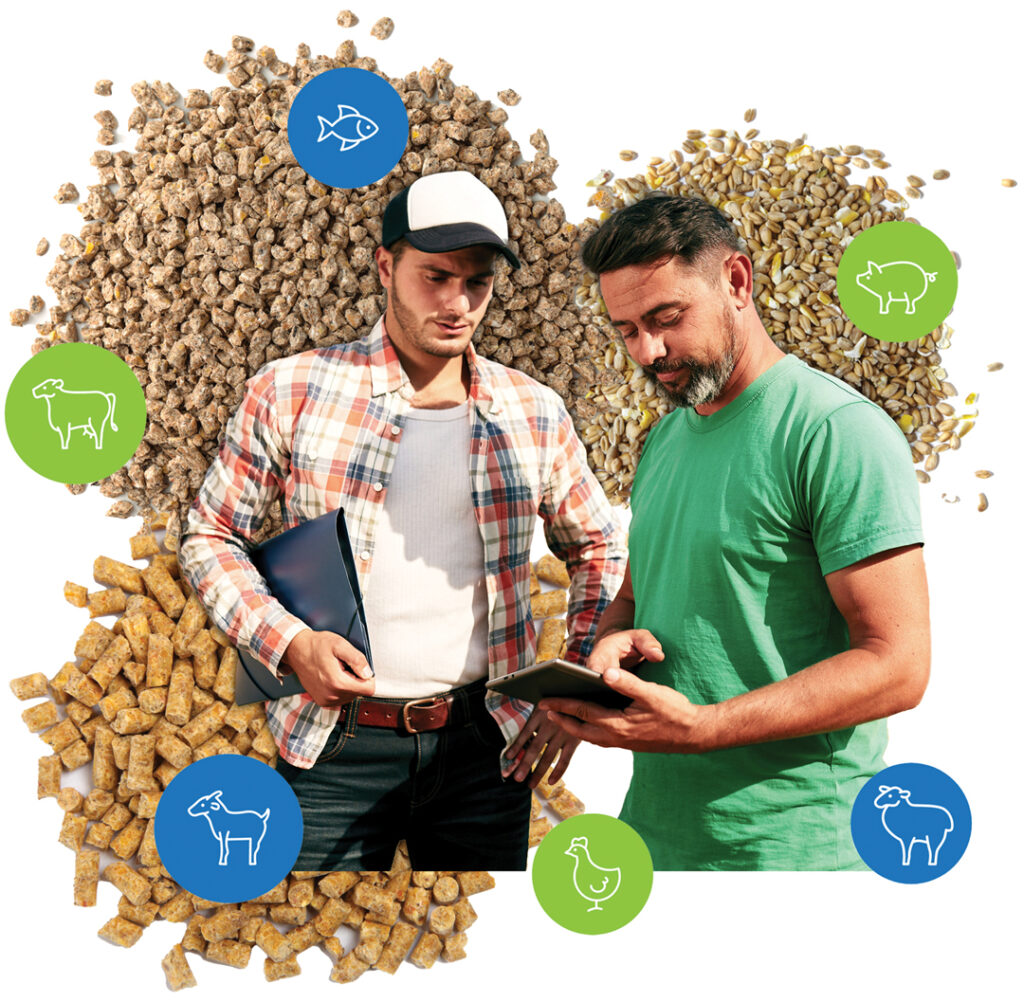
When Ian and Jennifer Guldberg set up a small milling operation to transform their own grains into feed for their sheep and poultry, the couple soon realized they’d hit upon a business opportunity. They formally began a small, direct-to-customer feed business in 2021.

Keep Reading
A WORLD OF OPPORTUNITY

Vancouver’s ClimateDoor helps clean technology companies raise capital, access government grants and create business partnerships at home and abroad. On a weeklong Team Canada Trade Mission in February, the business developer co-ordinated meetings between Canadian clean tech and ag tech businesses and the Australian business community in Sydney, Melbourne and Brisbane. Then-federal trade minister Mary Ng led the mission, which was delivered by Canada’s Trade Commissioner Service.

Keep Reading
LESS IS MORE

In August 2025, GrainsWest spoke with Wolf about the use of optical spot sprayer technology in Western Canada. As a variety of products enter the marketplace and advancements in this technology roll out, he predicts big things are yet to come.

Keep Reading
DISEASE DETECTION MADE EASY

University of Guelph graduate Riley McConachie recently earned a master’s degree in plant agriculture and credits his advisors with suggesting he use newly released AI technology in his thesis project. This prompted his idea to combine the use of Meta AI’s Segment Anything software with remote sensing technology to evaluate crop disease.

Keep Reading
A PRACTICAL FARM EDUCATION

This past fall, Northwest Polytechnic (NWP) in Grande Prairie launched its new two-year Agriculture Operations Diploma Program. “The program is unique because it focuses on preparing people to work in the ag industry on farms, in retail and in sales,” said NWP agriculture operations instructor Josefine Bartlett. The program’s curriculum balances agricultural theory with hands-on experience, and the school year aligns with the seasonal demands faced by students who live and work on family farms, she added. “It’s a one-of-a-kind program with nothing else quite like it across Canada.”

Keep Reading
ALL GROWN UP

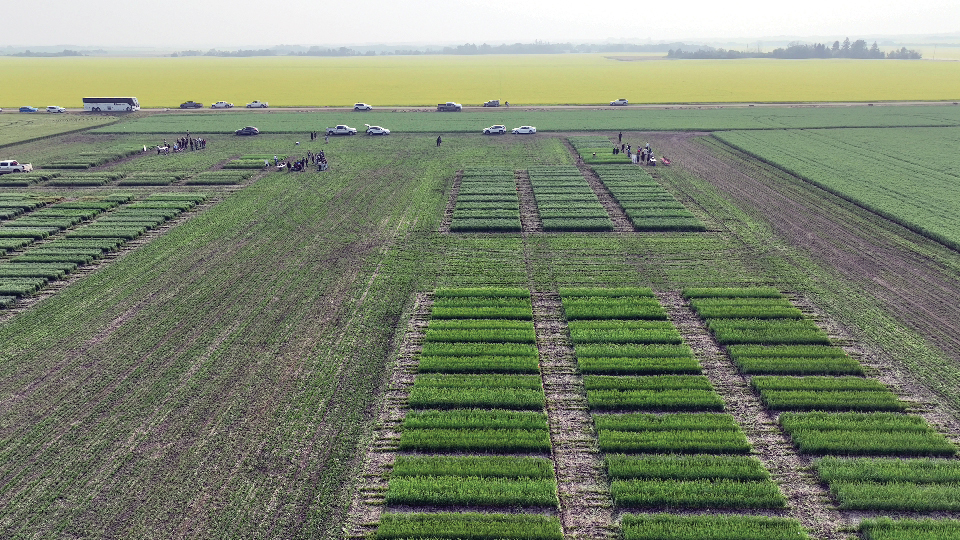
After a transitional year, Western Crops Innovations (WCI) is gearing up to begin life on its own, and continue to provide value to farmers. Formerly known as the provincial government’s Field Crop Development Centre, it spent three years under a licensing agreement with Olds College. As of April 2024, WCI was registered as a not-for-profit corporation and new agreements were negotiated with the Province.

Keep Reading
PAIN MEDICATION FOR MARKETING OBLIGATIONS

Commitment is a stressful word for farmers who are subject to the unpredictability of the weather and grain markets. Forward contracts with buyers allow them to lock in a cash price long before the grain is delivered. In doing so, these agreements reduce downside price risk and uncertainty.

Keep Reading
SPOILER ALERT

The invisible fungal mycotoxin ochratoxin-A, or OTA, can spoil grain under high moisture and temperature conditions. Though it develops exclusively in stored wheat, oats, barley and other grains, OTA is produced by Penicillium verrucosum, a naturally occurring soil fungus.

Keep Reading
Go to TOP