Most read

Featured

SACRED GROUND

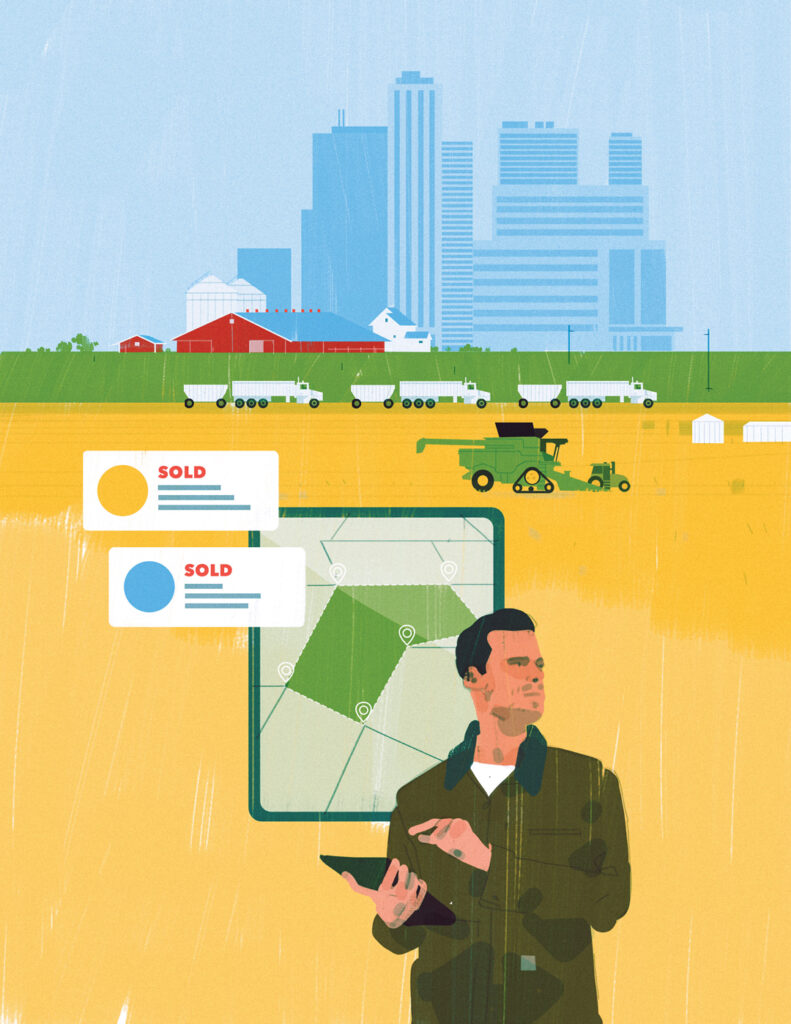
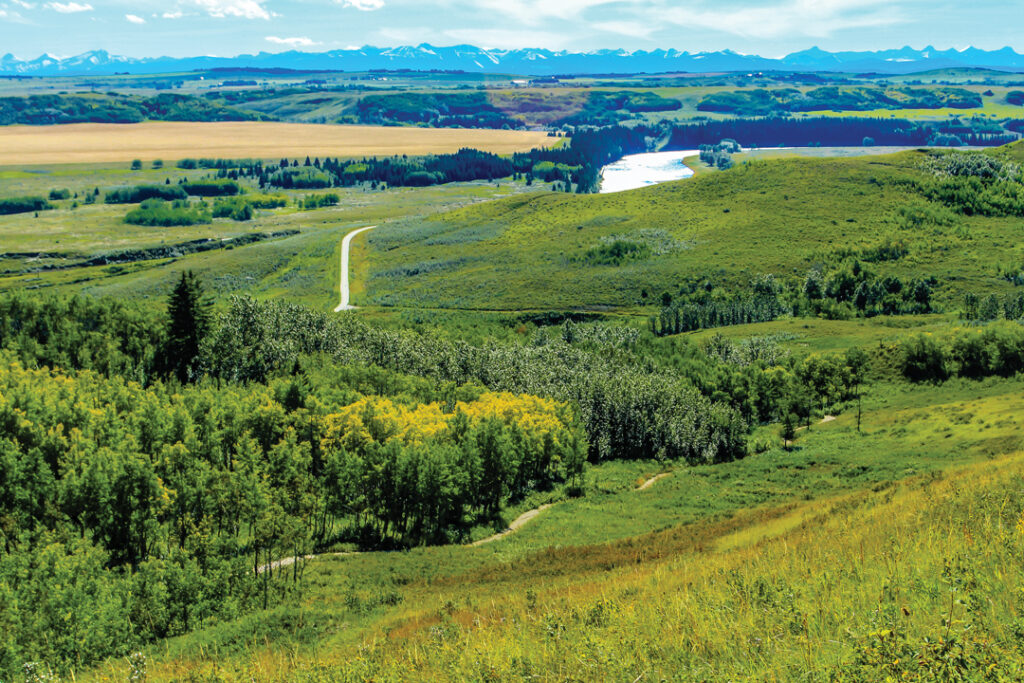
Farmland is sacred, just ask a farmer. Historically, when land changed hands, it was a simple process: Farmer A sold land to Farmer B. However, in the last 20 or so years, a curious trend has emerged. As the farm economy has risen, so has the financial potential of the land as an investment vehicle. The ownership details of Canadian farmland are hard to quantify and lately have generated anger, speculation and plenty of conversation across the Prairies.
Keep Reading
GOOD INTENTIONS, LOW UPTAKE

Long before sustainability became a policy buzzword, farmers worked to protect soil from wind erosion, manage moisture conditions and conserve fuel and other inputs. What’s changed in recent years is the level of public and industry awareness of environmental issues. This has generated a host of funding initiatives directed at conservation, climate and environmental programming in agriculture. Over time, federal and provincial governments have rolled out an ever-growing suite of programs aimed at soil health, biodiversity, water conservation and greenhouse gas reduction.

Keep Reading
ROTATION RETHINK

Variety is the spice of life, and a shakeup in crop rotation may add bite to the farm bottom line. This is the premise of recent research on crop rotation and its impact on profits and the environment. Through analysis of 20 years of Saskatchewan farmland insurance data on rotational choices in correlation with soil organic carbon (SOC) levels, researchers Devin Serfas and Richard Gray found clear benefits in certain rotations.

Keep Reading
A WINNING COMBINATION

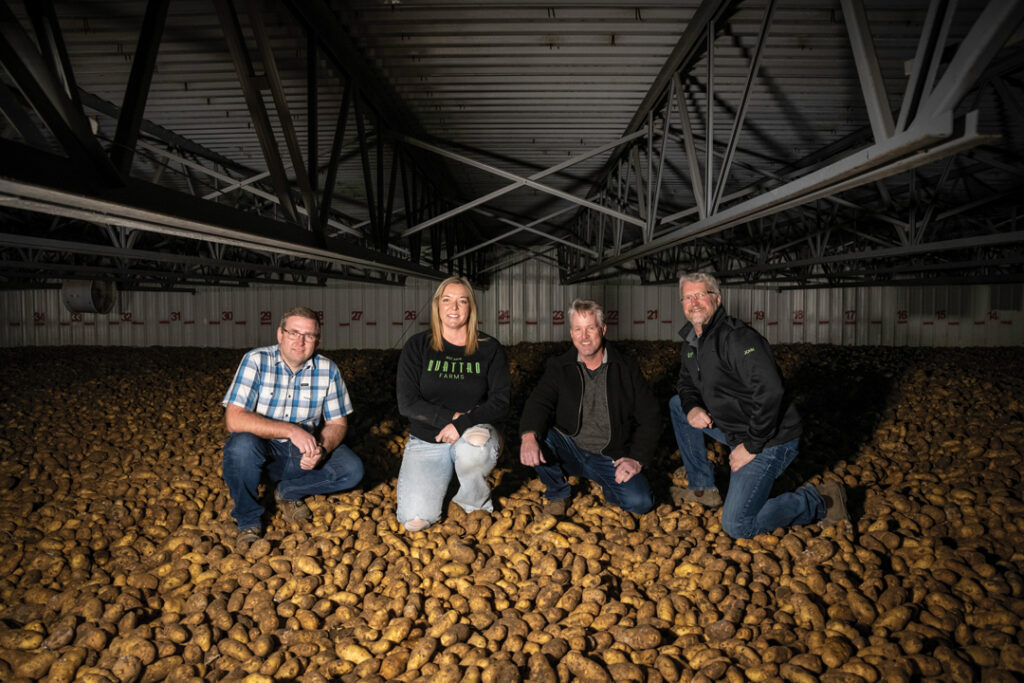
Most farms evolve on their own, but the five farm families in the Bow Island area that make up Quattro Ventures chose to grow together to take advantage of collaborative opportunities, economies of scale and shared vision. They chose a unique business model that has merged their farm operations.

Keep Reading
THE VAN DE LIGTS

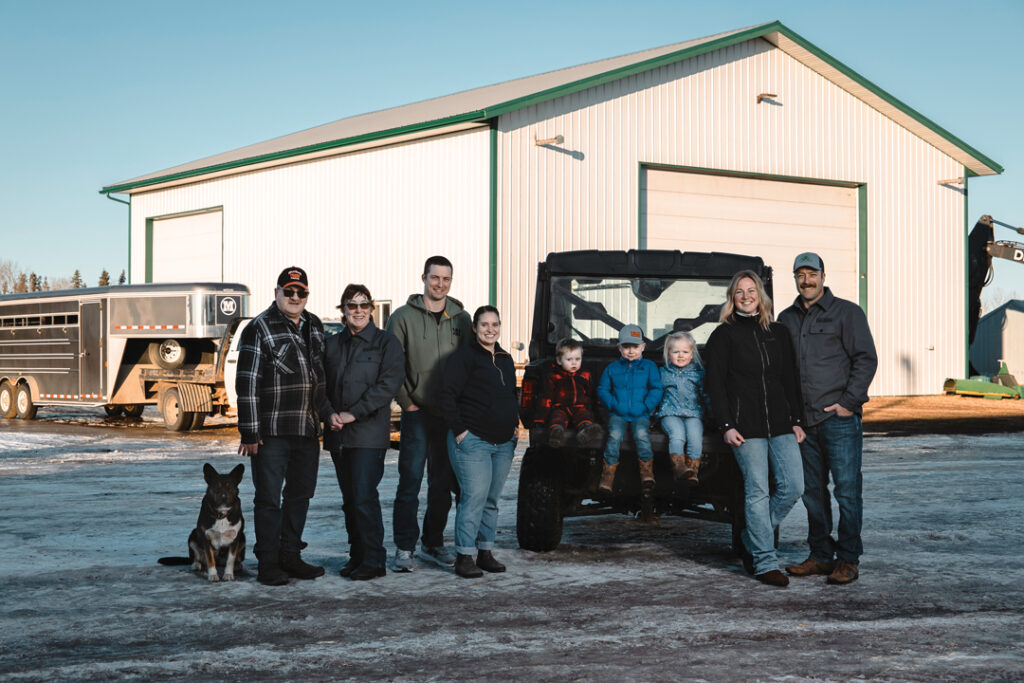
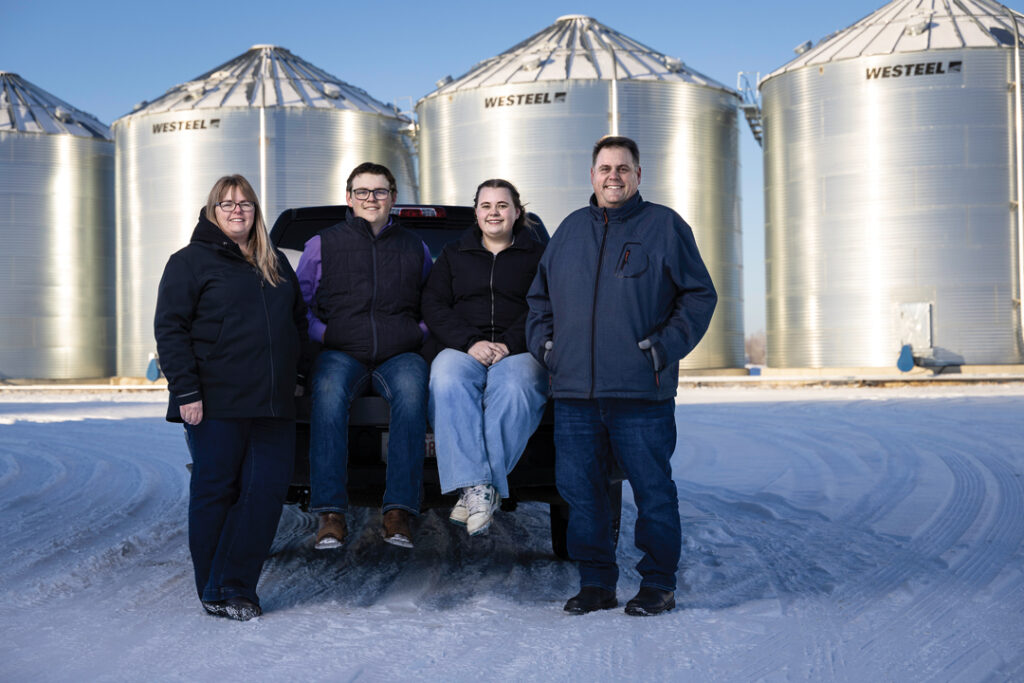
For our latest farm family portrait, GrainsWest visited the van de Ligts whose farm was established as a dairy operation in 1960 near the north-central hamlet of Jarvie. Fred and Rita began farming in 1974. Their sons and their wives, Donald and Maya, with Mitchell and Kayla, represent the farm’s third generation.

Keep Reading
FOREVER IN ROTATION

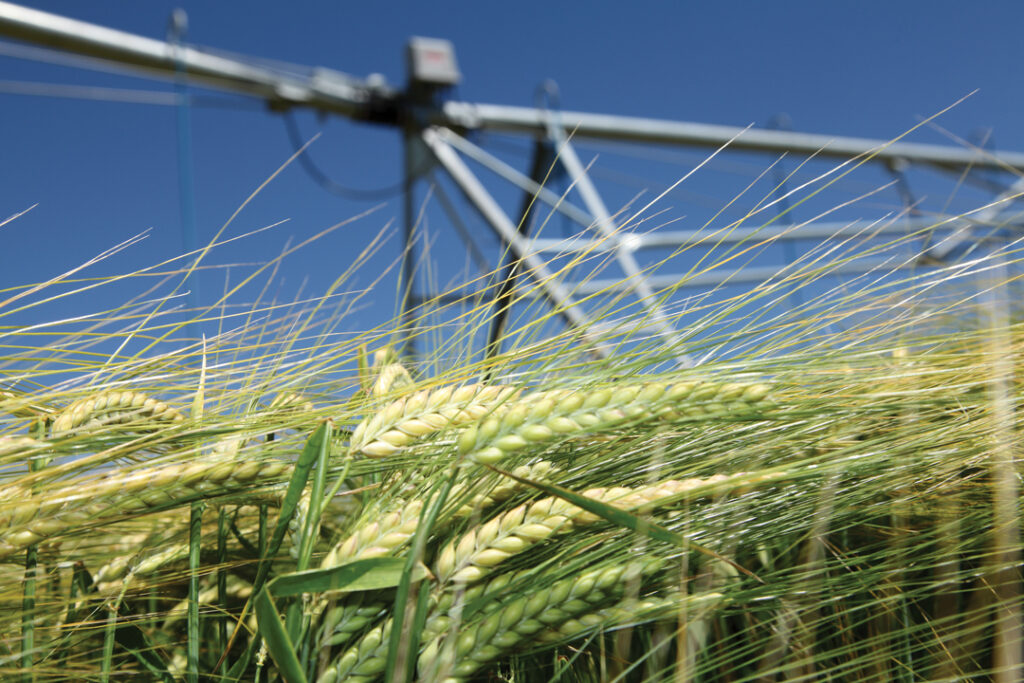
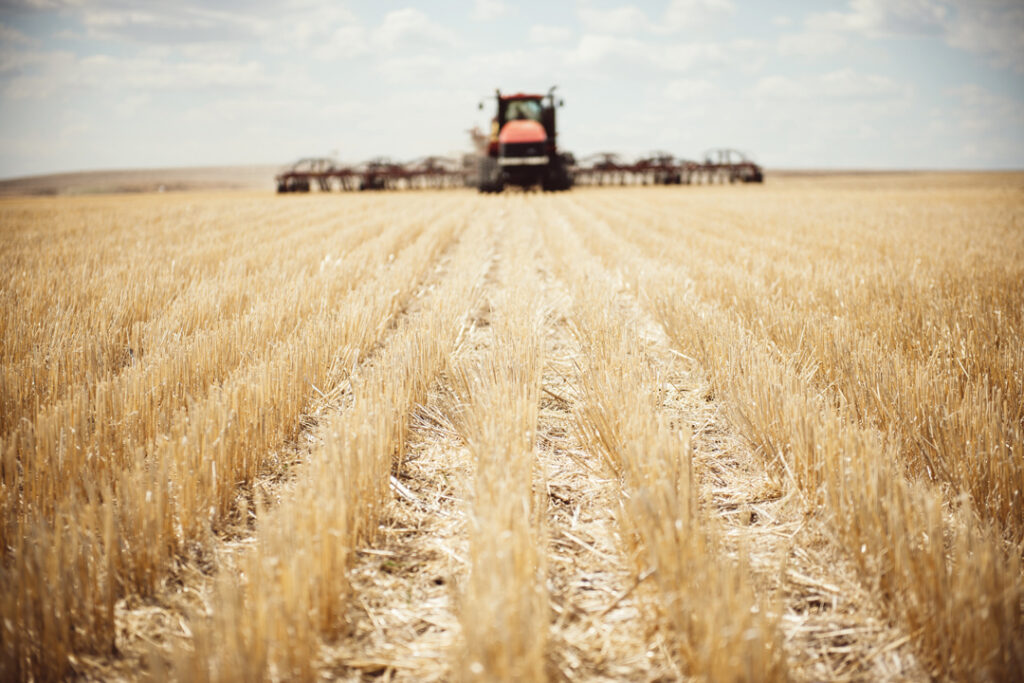
On Tim van der Hoek’s irrigated acres near Vauxhall, potatoes, seed canola and sugar beets are central to the bottom line, but CWRS and durum also play a key role. In fact, cereals reliably hold his high-value rotation together. Of his more than 3,000 acres, much is rented, all is irrigated. Potatoes and sugar beets are grown once every five years while cereals or corn fill out the balance. The cereal years can be the thinnest on the balance sheet, but they are essential to the good health of his operation.

Keep Reading
THE CURVEBALL APPROACH

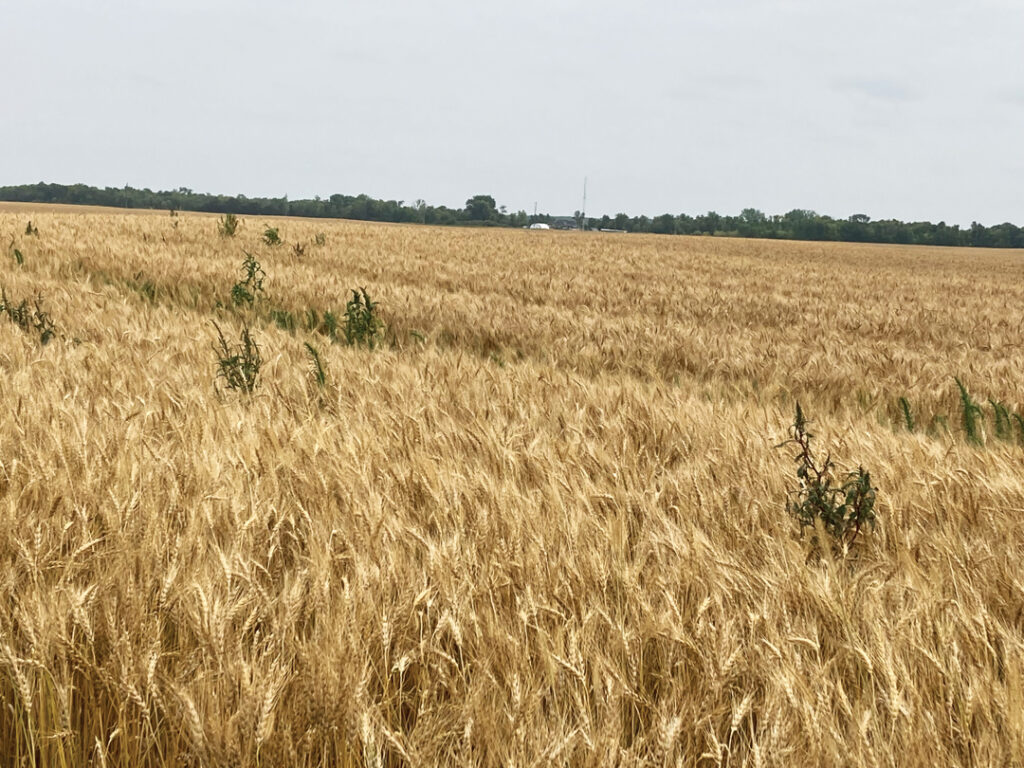
The cost and complication of herbicide resistance is reshaping the way Prairie farmers manage their acres. It’s a frustrating problem that demands adaptation, typically in the form of integrated weed management (IWM), a customized, field-by-field strategy. One size does not fit all as farmers and agronomists tackle herbicide resistance with a multi-strategy approach.

Keep Reading
THE SEMENIUKS

The first in a series of family farm portraits, GrainsWest visited Angela and Robert Semeniuk, whose land is in the Smoky Lake area. Their children, daughter Gabrielle and son Tristan, are the fifth generation to be raised at this 115-year-old farm.

Keep Reading
IT’S A WHITE BREAD WORLD

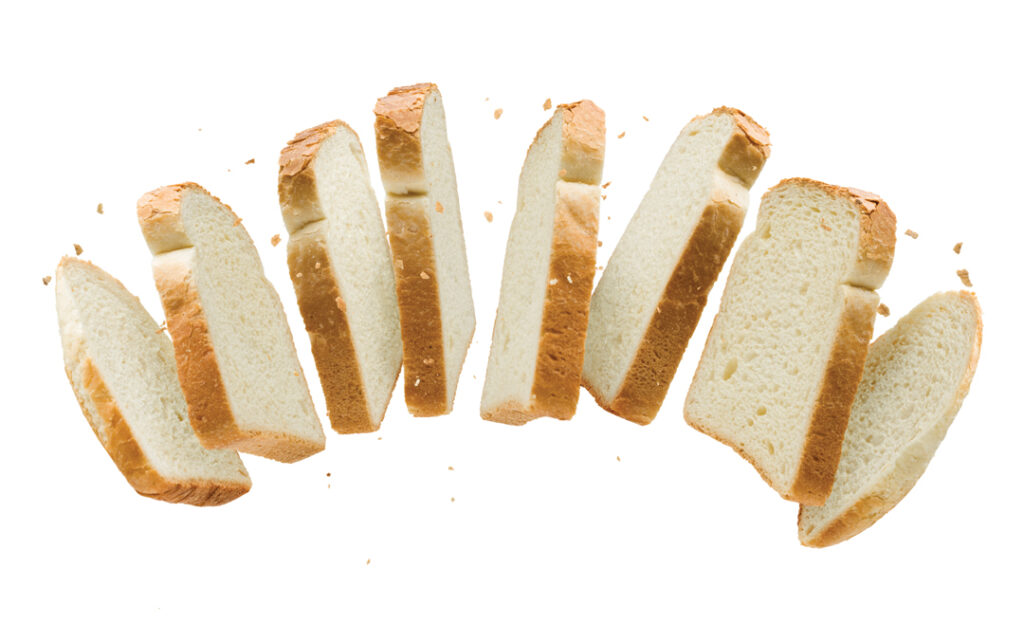
The words “white bread” don’t tend to stir excitement in the hearts of Canadian consumers. The term itself is used as shorthand for “boring,” and typical grocery store white bread is often considered a junk food, inferior to whole wheat counterparts. But despite white bread’s second-rate reputation, squishy snow white bread has long been a staple of diets around the globe. While trends may ebb and flow, refined grain breads continue to have a place in our ever-changing culinary world.

Keep Reading
Go to TOP