Most read

FALL 2026

SCIENCE GETS AHEAD OF UGLY WEATHER

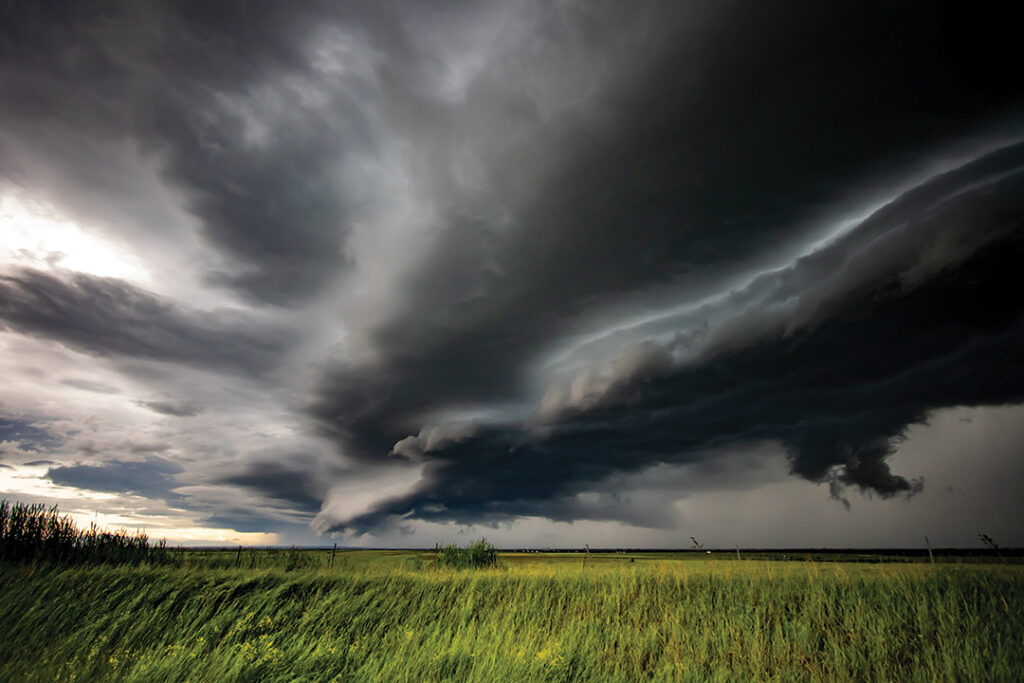
On the farm, decision-making is shaped by weather. Should the sprayer roll today or wait until a brewing storm passes? Can seeding be completed before incoming rain hits? Greater confidence in weather forecasting and earlier notice of developments could benefit farmers significantly.

Keep Reading
WET WEATHER FALLOUT

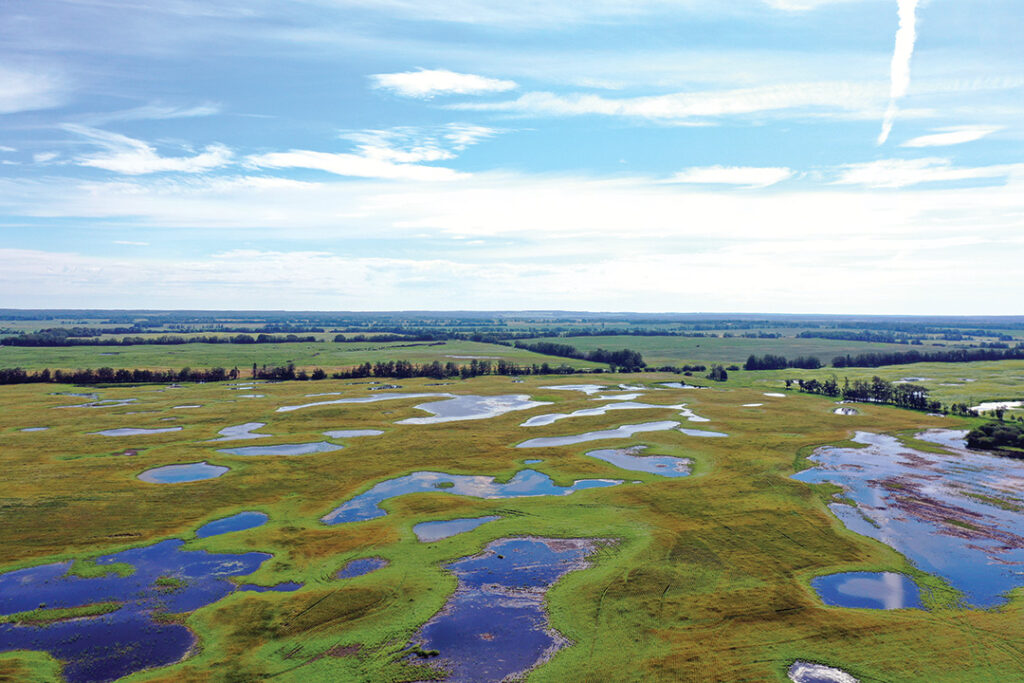
As the rain continued to fall over a very wet growing season, Redwater-area seed farmers Chelsea and Shane Tomlinson watched beavers build dams across two of their fields. “We have never seen this happen before,” said Chelsea.

Keep Reading
BIOLOGICALS ON THE RISE

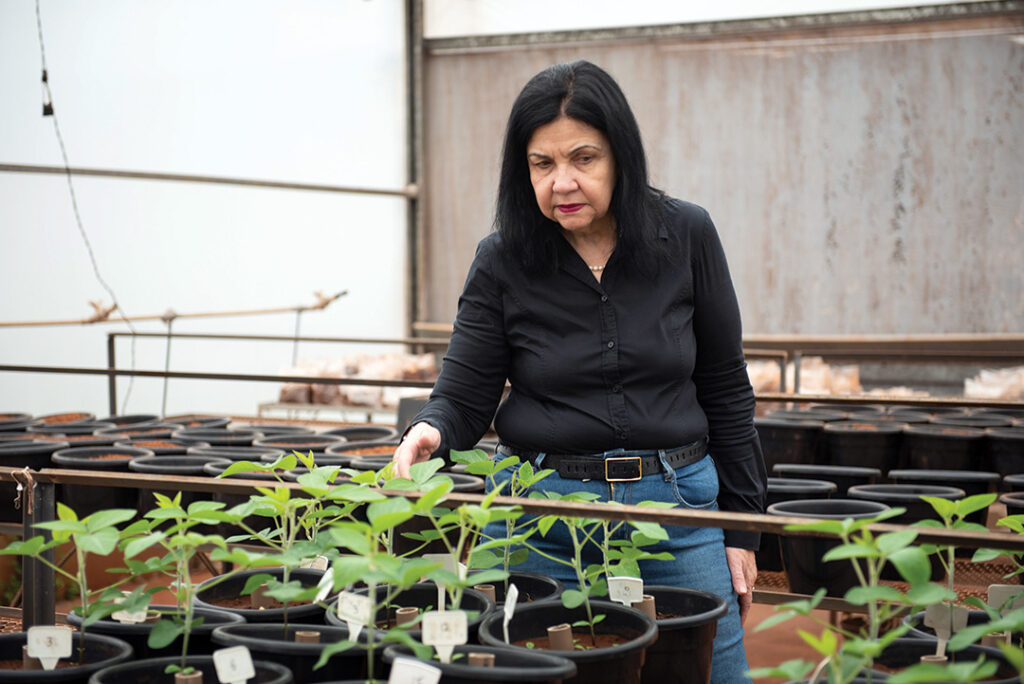
Broadacre agriculture is synonymous with synthetic fertilizer. It’s the primary ingredient to a top crop and virtually all farmers use it. Canola, corn, soybeans and wheat all love a healthy dose of the critical input throughout the growing season, so to abandon its use sounds far-fetched. However, research suggests change is afoot, albeit not in Canada. Yet.

Keep Reading
TRADE SOVEREIGNTY ON THE LINE

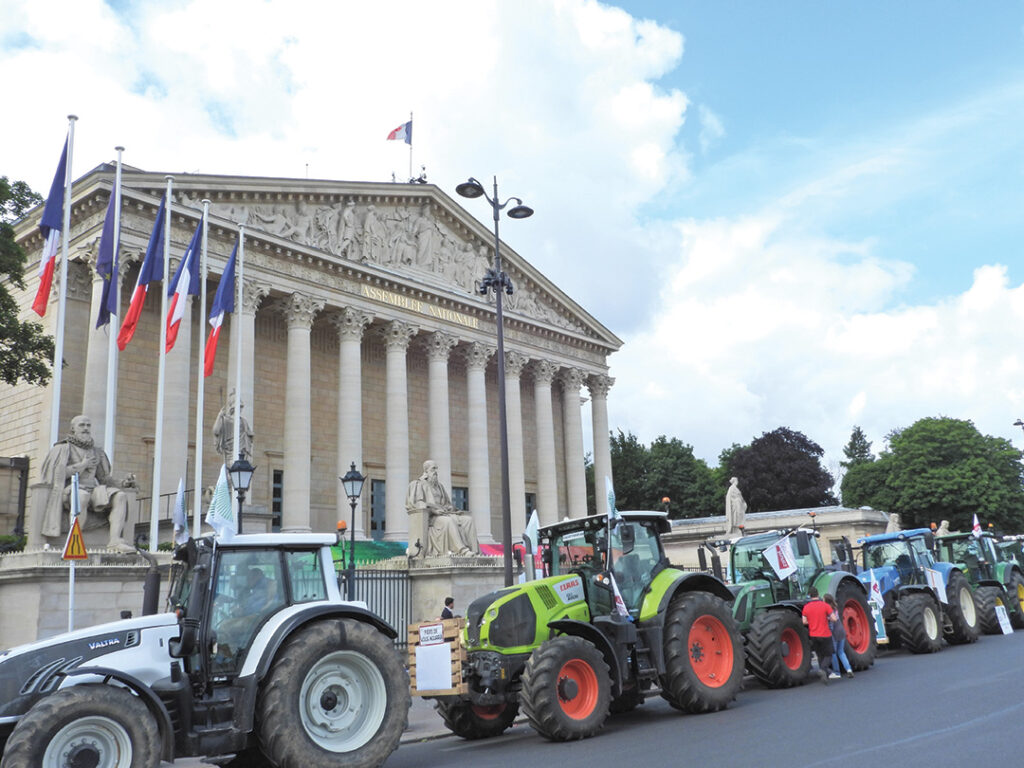
Throughout 2024 and 2025, thousands of frustrated European farmers blocked major highways and shut down the continent’s busiest cities. This was in protest of soaring fuel and fertilizer costs, the growth of cheap imports that destabilized local markets and tightening environmental regulations. In December 2025, the European Commission responded with the release of its much-anticipated Food and Feed Safety Simplification Package, otherwise known as Omnibus X. The legislative package contained technical, environmental and trade policy mechanisms meant to address farmers’ concerns. But buried in the package is a contentious mirror clause that, if passed, will reduce import pesticide residue limits to a “technical zero” for any substance banned for use in the EU. Neonicotinoids were the first to go; new limits took effect in March. Although it has not specified which ones, Brussels has signalled that more chemistries will follow. The clause raises serious concerns for global trading partners, chief among them Canada, who could be regulated out of European trade for using products declared perfectly safe in their own jurisdictions.

Keep Reading
A WORLD OF OPPORTUNITY

A wide variety of agritourism options are available at home and abroad to agricultural professionals and the general public. Notable among international travel destinations, every two years, hundreds of Canadian farmers visit Hannover, Germany, to attend the world’s largest agricultural equipment fair.

Keep Reading
TAX CHANGE INVITES MORE MALT

Japanese brewers found a unique way to make beer more affordable: use less malt. But what happens when using less malt no longer makes these products cheaper? To answer this, we must look back more than a century. During the Meiji era of 1868 to 1912, the Japanese government increasingly relied on liquor taxes as the country industrialized. By the early 1900s, liquor taxes ranked among Japan’s largest source of national tax revenue.

Keep Reading
FROM OCEAN TO FARM

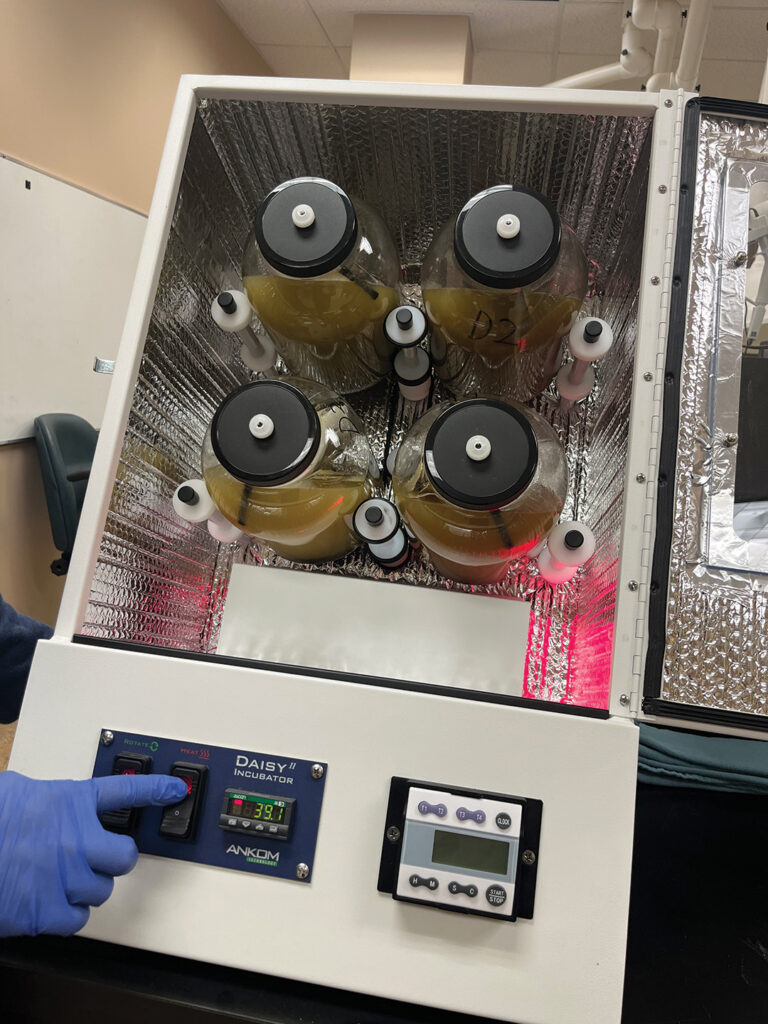
Researchers from the Olds College Centre for Innovation (OCCI) carried out trials to evaluate the effectiveness of seaweed products as an additive to cattle feed and are now studying its use as crop biostimulants. Funded in part by Emissions Reduction Alberta, these applied research projects explore how seaweed products can potentially reduce costs, optimize inputs and improve plant and animal growth and health.

Keep Reading
FROM COMBINE TO GLOBAL CUSTOMERS

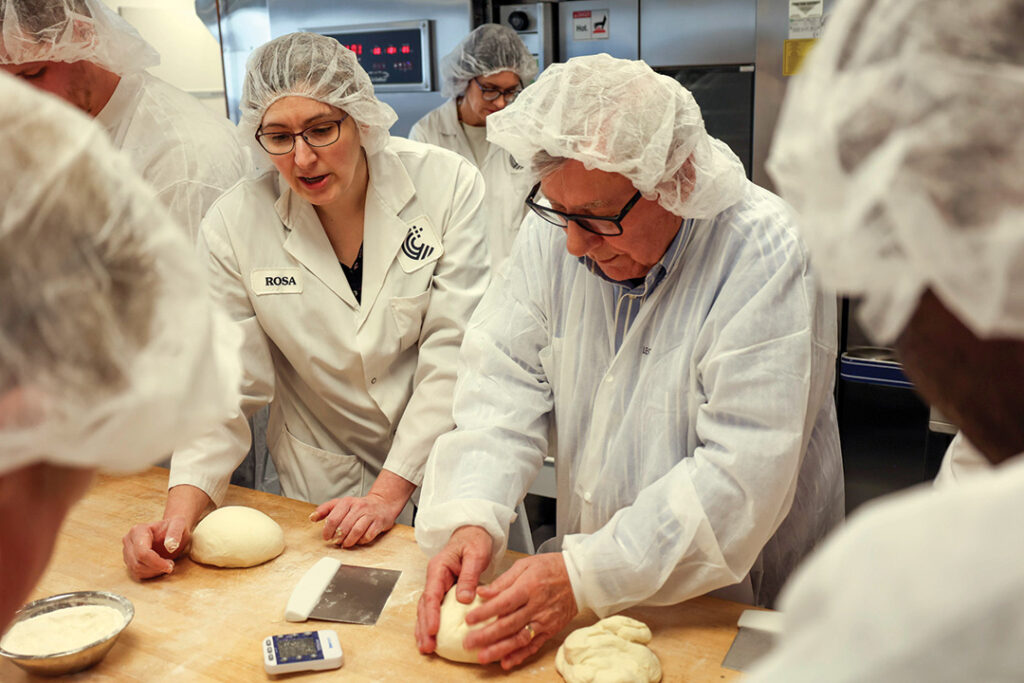
At Cereals Canada’s downtown Winnipeg headquarters, farmers from British Columbia to Atlantic Canada gather each February for our annual Combine to Customer program. The three-day course has been offered for more than 20 years. It gives Canadian grain farmers a broad overview of what global buyers look for in Canadian wheat and insight into what happens to their crop once it leaves the farm gate.

Keep Reading
A RELIABLE FARM SAFETY NET

With harvest is in the bin, grain farmers turn to the numbers. What did the crop bring in, and what did the year cost? And did the programs meant to protect the farm perform as needed? These questions are central to the Next Policy Framework, an important file the Grain Growers of Canada (GGC) has advanced this year.

Keep Reading
ALL IN GOOD TIME

Everything is true until it’s not. This economics adage suggests rules, truths and traditional pricing patterns termed “seasonality,” are not always useful guides. In its simplest form, seasonality is the tendency for grain prices to come under pressure immediately post-harvest and climb in the second part of the marketing year as supplies dwindle. By storing grain and using hedging strategies, farmers can counter this with delayed delivery or pricing.

Keep Reading
Go to TOP