
Most read

Business

A GOLDEN MARKET INDICATOR

The relative value of gold to other commodities, including wheat, is at an all-time high. For example, one ounce of gold was worth almost 72 barrels of oil at the end of November 2025, up from 7.4 barrels in the same month of 2020. Over the same period, an ounce of gold went from being worth about 100 bushels of wheat to 750. What does this inverse relationship indicate?

Keep Reading
FUNDAMENTAL FARM SKILLS

Developed and delivered in collaboration with Farm Credit Canada and RBC, the Ontario Agricultural College (OAC) at the University of Guelph offers Foundations in Agricultural Management. The free online course is aimed at Canadian farmers, their families and ag industry professionals who wish to improve their business acumen, financial literacy and management skills. The non-credit, video seminar course is comprised of eight modules that take an average of 15 to 20 minutes each to work through. Compatible with busy farm lifestyles, to earn a certificate of completion, participants can finish the course at their own pace.

Keep Reading
BARLEY-BASED SUPPLEMENT A HIT

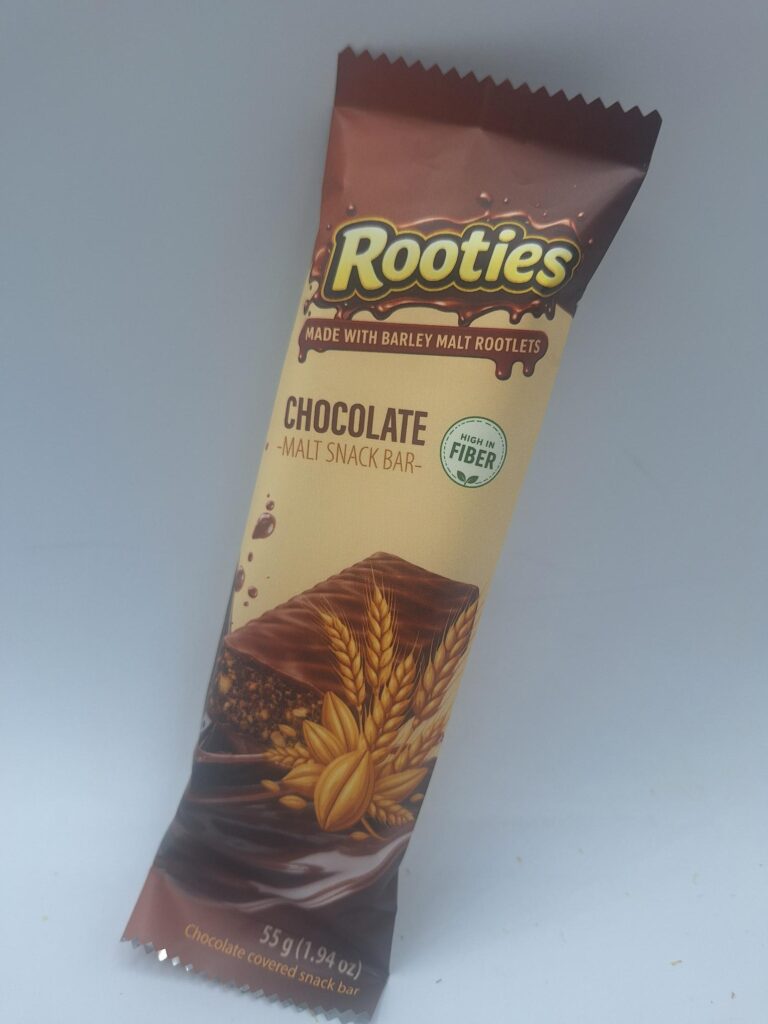
A made in Alberta, barley-based nutritional supplement, NutraStat is manufactured by Camrose-based Sunny Boy Foods, known for its namesake hot cereal, flours and pancake mixes. NutraStat’s star ingredient is the soluble fibre beta-glucan, which has been proven to reduce LDL cholesterol, stabilize blood sugar, improve gut health and assist weight loss by increasing satiety.

Keep Reading
A FOOTHOLD FOR YOUNG FARMERS

Canadian agriculture faces one of the biggest farm transitions in history. Nearly 40 per cent of farmers are expected to retire over the next decade. In Alberta, it’s closer to 62 per cent. The province’s farms are predominantly family owned and operated. Unfortunately, the number of young people taking up the family business is declining. Beyond succession planning, there is a need to identify and evaluate barriers to the family farm transition process.

Keep Reading
INDUSTRY CALLS FOR TRANSPARENCY

Imagine having a clear, weekly snapshot of which ports are signing contracts, volume of grain movement and shifts in global demand. Saskatchewan ag groups say this kind of visibility could sharpen the marketing strategies of Canadian farmers, improve risk management and produce stronger outcomes. In today’s fast-paced marketplace, farmers have limited information on their grain’s ultimate destination once it enters the supply chain until weeks or months later. They may be unaware of potential changes in supply and demand until it’s too late to take advantage.

Keep Reading
A SPLASH OF DIVERSIFICATION

The board of governors of Westlock Terminals recognized that to thrive as a relatively small player in the grain handling business requires diversification. The independent elevator was established in 2002 when its mostly local shareholders purchased the former Agricore United elevator. This was done with the intent to maintain community control, provide local jobs and strengthen the regional economy. Westlock Terminals has since carefully expanded its product and service offering.

Keep Reading
PEROGIES OF A DIFFERENT STRIPE

When Anna and Vladimir Posikera received three awards for their multicoloured perogy products at the 2024 Made in Alberta Awards ceremony, Anna found it hard to speak as she took the stage to accept. Just two years earlier in February 2022, the couple, their two young children and Anna’s mother fled Kostiantynivka, a city near the frontline of the Russo-Ukrainian war. Though thrilled to be honoured as grand winner, their difficult escape and the ongoing war occupied their thoughts. “It was very emotional for us,” said Anna.

Keep Reading
SOUTHBOUND CEREALS

Canadian cereals are a hot commodity south of the border, where the $3 billion U.S. market for this country’s cereals-based products is highly integrated. Despite the current trade climate in which tariff uncertainty has become the norm, this demand remains strong for a range of reasons.

Keep Reading
ALBERTA GROWN AND PROCESSED

Alberta farmers typically see their products shipped far away to be processed while the province loses the value-added margin. This is changing as rural communities work to keep more food processing at home. Such development gives farmers expanded market options and shorter hauls.

Keep Reading
Go to TOP