Most read

Agronomy

FOREVER IN ROTATION

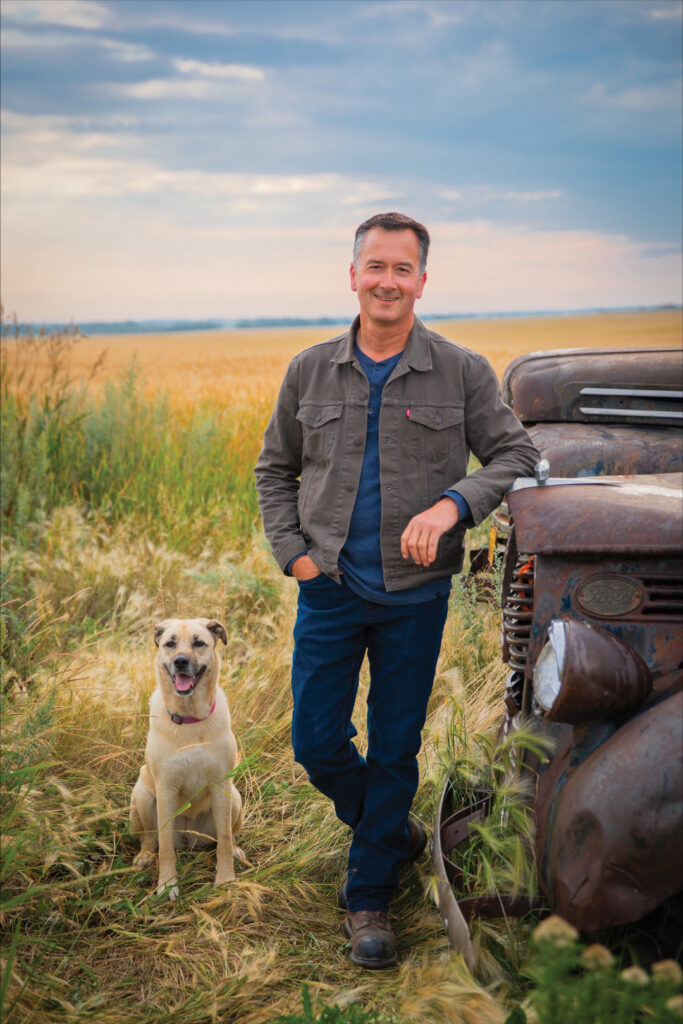
On Tim van der Hoek’s irrigated acres near Vauxhall, potatoes, seed canola and sugar beets are central to the bottom line, but CWRS and durum also play a key role. In fact, cereals reliably hold his high-value rotation together. Of his more than 3,000 acres, much is rented, all is irrigated. Potatoes and sugar beets are grown once every five years while cereals or corn fill out the balance. The cereal years can be the thinnest on the balance sheet, but they are essential to the good health of his operation.

Keep Reading
SEE THE FIELD IN A NEW WAY

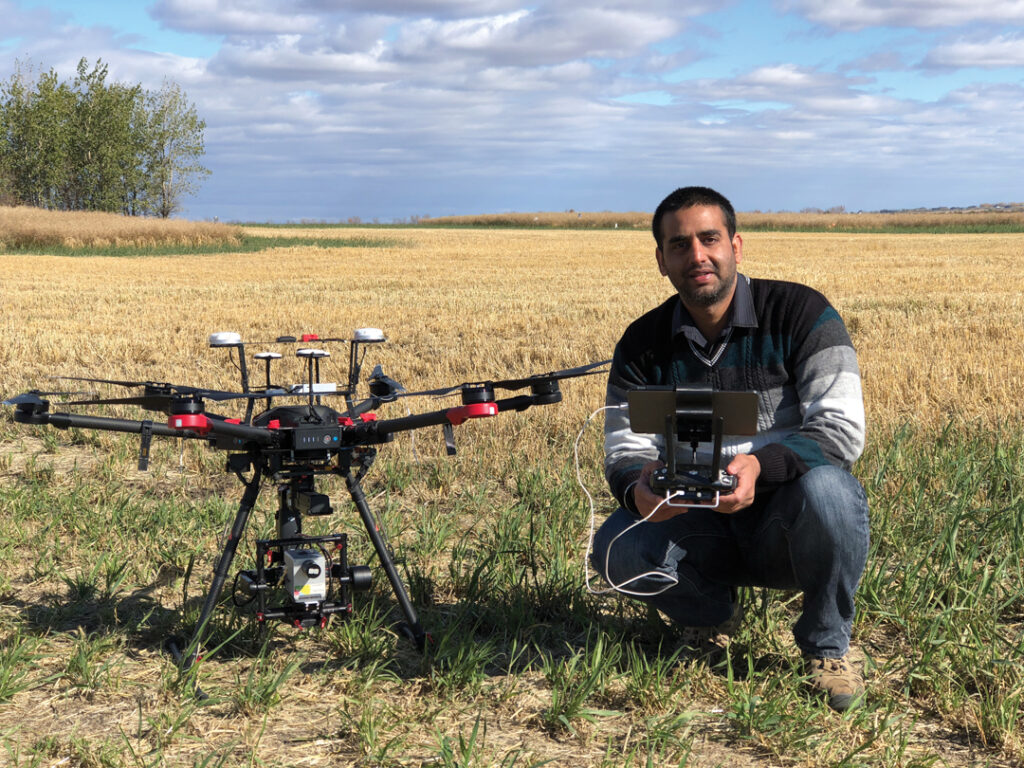
On the Olds College Smart Farm, data is rolling in from an ongoing research project that utilizes the Raven Augmenta Field Analyzer. This camera vision machine learning technology senses crop conditions using digital imagery to adjust input application during field operations. Unlike current methods that rely on pre-determined maps, the camera uses an algorithm to make instantaneous decisions about the rate of inputs to apply on crops.

Keep Reading
THE CURVEBALL APPROACH

The cost and complication of herbicide resistance is reshaping the way Prairie farmers manage their acres. It’s a frustrating problem that demands adaptation, typically in the form of integrated weed management (IWM), a customized, field-by-field strategy. One size does not fit all as farmers and agronomists tackle herbicide resistance with a multi-strategy approach.

Keep Reading
FUNDAMENTAL FARM SKILLS

Developed and delivered in collaboration with Farm Credit Canada and RBC, the Ontario Agricultural College (OAC) at the University of Guelph offers Foundations in Agricultural Management. The free online course is aimed at Canadian farmers, their families and ag industry professionals who wish to improve their business acumen, financial literacy and management skills. The non-credit, video seminar course is comprised of eight modules that take an average of 15 to 20 minutes each to work through. Compatible with busy farm lifestyles, to earn a certificate of completion, participants can finish the course at their own pace.

Keep Reading
MAKING RESEARCH CLICK

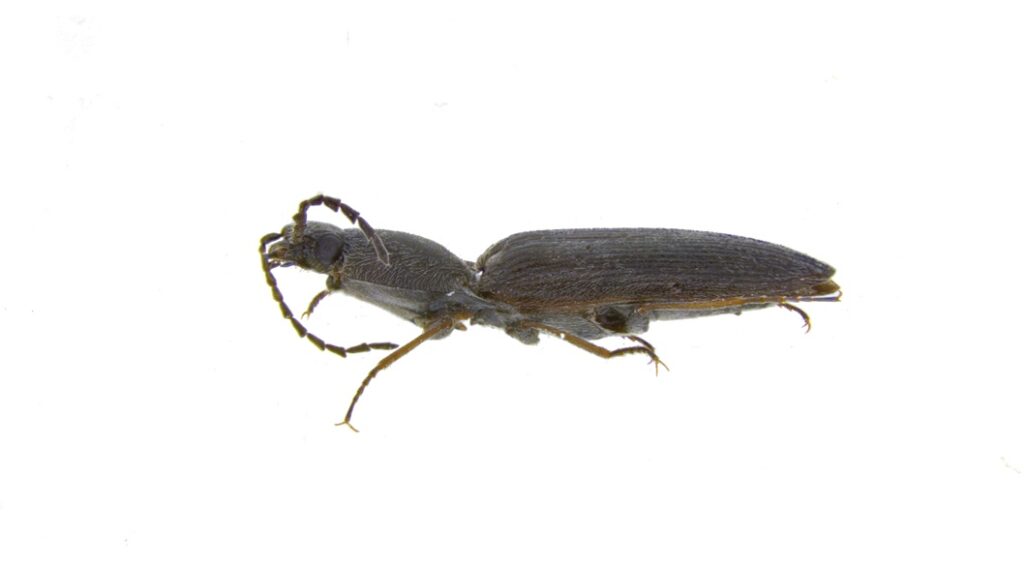
For nearly a decade, Sexsmith area farmer and Alberta Grains region 6 director Greg Sears has opened his fields to researchers for pest studies. These researchers set traps, use sweep nets and record findings. During a routine sweep in 2022, the net captured a donkey click beetle (Dalopius asellus), an uncommon type.

Keep Reading
STRAIGHT UP RESULTS

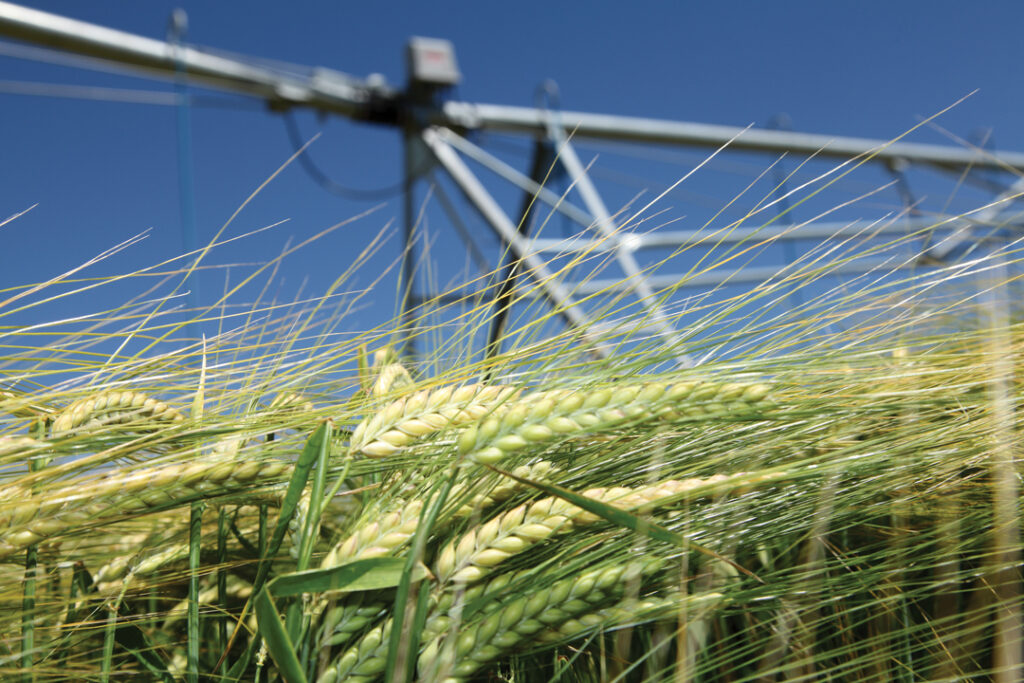
Led by Lakeland College in partnership with Farming Smarter and SARDA Ag Research, a three-year study examined ways to minimize lodging and maximize yield in barley. The project was carried out with the support of the Agriculture Funding Consortium. The initiative, which wrapped up this year, examined the combined effects of cultivar selection, plant growth regulator (PGR) strategies and tank mixes under Prairie conditions.

Keep Reading
HEADS UP

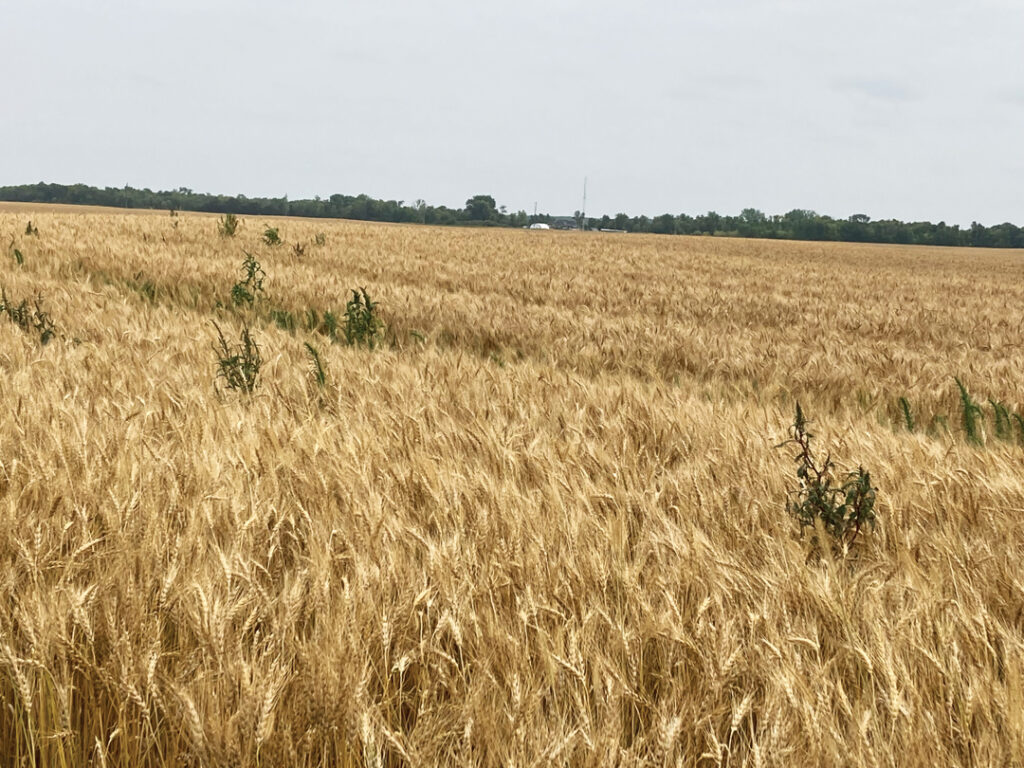
Canadian wheat breeders and researchers agree on three things: lodging is a serious concern for Prairie wheat farmers, stem strength isn’t the only factor that affects lodging and more research is needed to find agronomic and genetic responses.

Keep Reading
PLOT TO PRACTICE

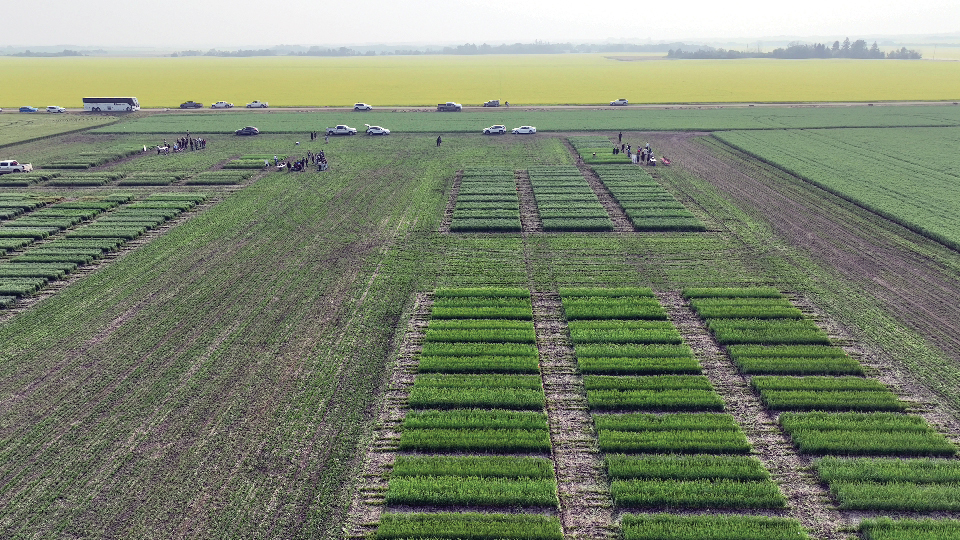
When Greg Newman is pitched a new product for his 3,000-acre grain farm in Alberta’s Peace Region, the first question he asks is: “Has that product been tried and tested up here?” Without local data, he’s not buying. “What works in southern Alberta can work totally different up north,” said Newman, who farms alongside his two sons near Fort Vermilion.

Keep Reading
Go to TOP