




GROW AND LEARN
BY SELENA GRUTTERINK • PHOTOS COURTESY OF AG FOR LIFE
Each March, Agriculture in the Classroom Canada and its provincial member organizations, including Ag for Life in Alberta, celebrate Canadian Agriculture Literacy Month (CALM). During the month-long awareness campaign, the organizations promote awareness of their work to educate children about agriculture and recruit new volunteer participants.
At the beginning of the month, to mark the 15th anniversary of CALM as well as generate interest and inspire participation in agricultural literacy, communities across the country lit up local landmarks green. In Alberta, these included various city halls in communities such as St. Albert, Lethbridge and High River as well as the Calgary Tower and that city’s TELUS Spark Science Centre.
Many Canadians are disconnected from agriculture. Though they may have farmers in their family tree, most are generations removed from farm life. As these connections fade, so does public knowledge about where food comes from and how it is produced. What was once common knowledge has become unfamiliar.
Ag for Life works to bridge this gap. Each year, its programming reaches roughly 100,000 students across Alberta. With the help of interested teachers, the organization gives young people a better understanding of the vital role agriculture plays in their everyday lives. In its Classroom Agriculture Program, it implements engaging curriculum-linked programming for elementary and high-school students that details how crops grow and illustrates the journey food takes from field to table.
Teachers of students in kindergarten through Grade 12 can integrate Ag for Life program content into their lessons. This includes worksheets, writing activities, recipes and hands-on lab exercise. They also have the option to invite local industry volunteers to share their experiences with the topic firsthand.
Sponsored by Alberta Grains, Ag for Life also offers Know Your Food. Designed for junior and senior high students, this interactive mobile exhibition takes students on an Alberta farm-to-table journey. Dubbed The Ultimate Food Truck, the customized semi-trailer features hands-on exploration through interactive learning stations. These stations examine Alberta-centered agriculture topics such as food production, farm technology, global markets and career opportunities. The exhibit touches on information relevant to health, science and social studies and makes agriculture and food literacy fun and relevant.
These ag literacy programs rely heavily on the expertise and dedication of educators, staff and volunteers. Their guidance helps Ag for Life develop its own programming as well as to adapt Ag in the Classroom programs to fit Alberta’s school curriculum.
Luree Williamson, Ag for Life CEO, emphasized the crucial role the agriculture industry plays in the development of these programs. “Industry professionals are incredibly generous with their time and knowledge,” she said. “Their willingness to contribute helps ensure the information students receive is accurate and relevant to agriculture today.”
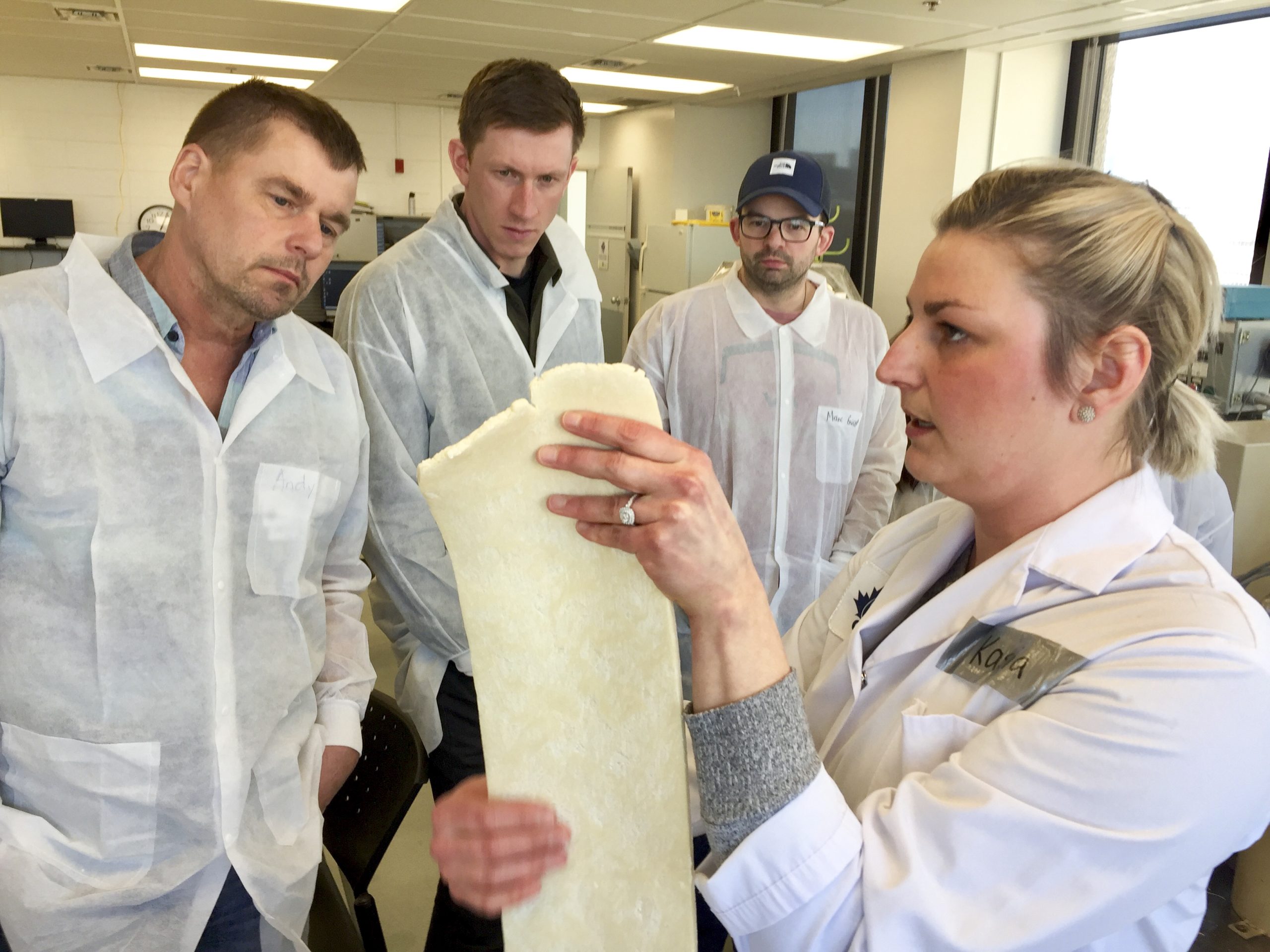
Volunteers tend to have diverse career backgrounds and may be farmers, ranchers or other sorts of agriculture professionals. Anyone with agriculture experience and passion for the industry is encouraged to get involved. Volunteers are matched with classrooms based on their skills and experience to ensure students gain real-world context for lessons that examine topics such as animal husbandry, career pathways, the environment, food security, nutrition as well as rural and farm safety.
These interactions leave a lasting impression on students, help them better understand farming and food production and introduce them to a wide range of careers that support Canada’s food system. Lessons can be delivered in person, virtually or as a blended experience and can be adapted to fit individual class needs. By combining curriculum materials with real-world expertise, agriculture is brought to life for students and fosters a deeper connection to agriculture.
Volunteers may deliver a single classroom presentation each year or participate more frequently. On average, they deliver three to four presentations annually, with no minimum. Ag for Life also supports volunteers with training and resources to effectively engage students. “Even one presentation is fantastic and makes a meaningful difference,” said Williamson. “The more volunteers we have, the more schools and student we’re able to reach.”
Learn more about Ag for Life programs and volunteer opportunities at agricultureforlife.ca.

Comments