Most read

SPRING 2026

FARMING’S FAMILIAR VOICE

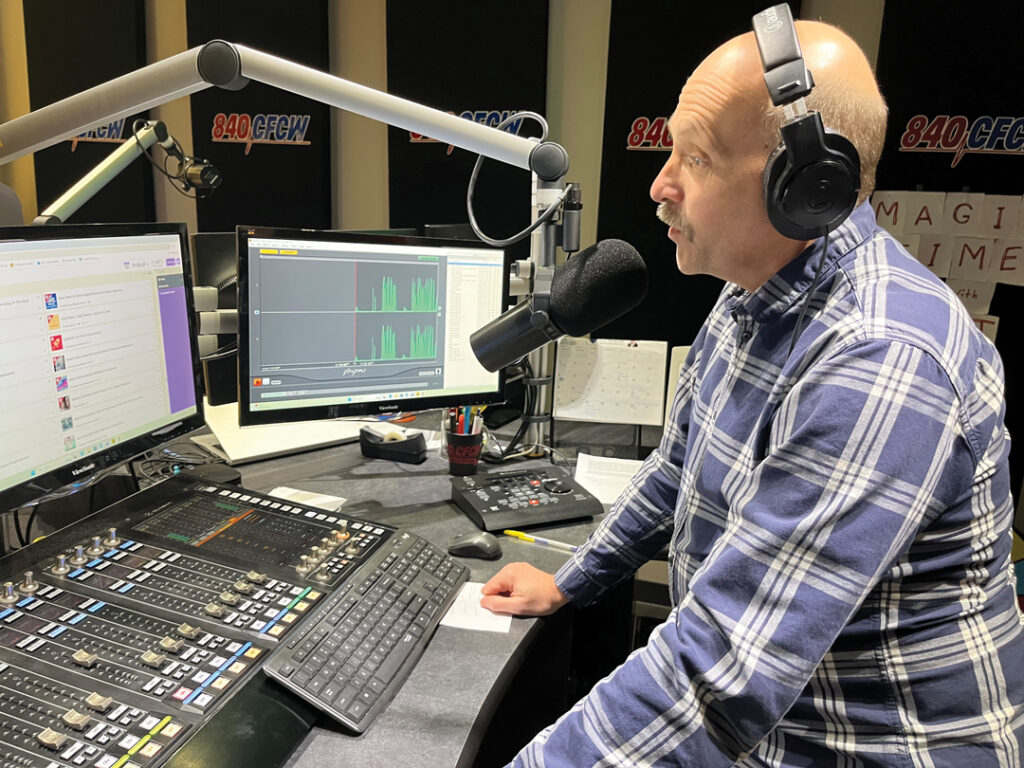
A Prairie broadcast journalist for 40 years, 840 CFCW agricultural director Dean Thorpe has produced and hosted The Alberta Ag Show for nearly two decades. The AM country music station’s one hour radio news program is familiar lunchtime listening across rural Alberta. Each weekday at 12 p.m., Thorpe takes to the microphone at the station’s Edmonton studio with one question in mind: What do farmers need to hear today?

Keep Reading
PIGMENT APPEAL

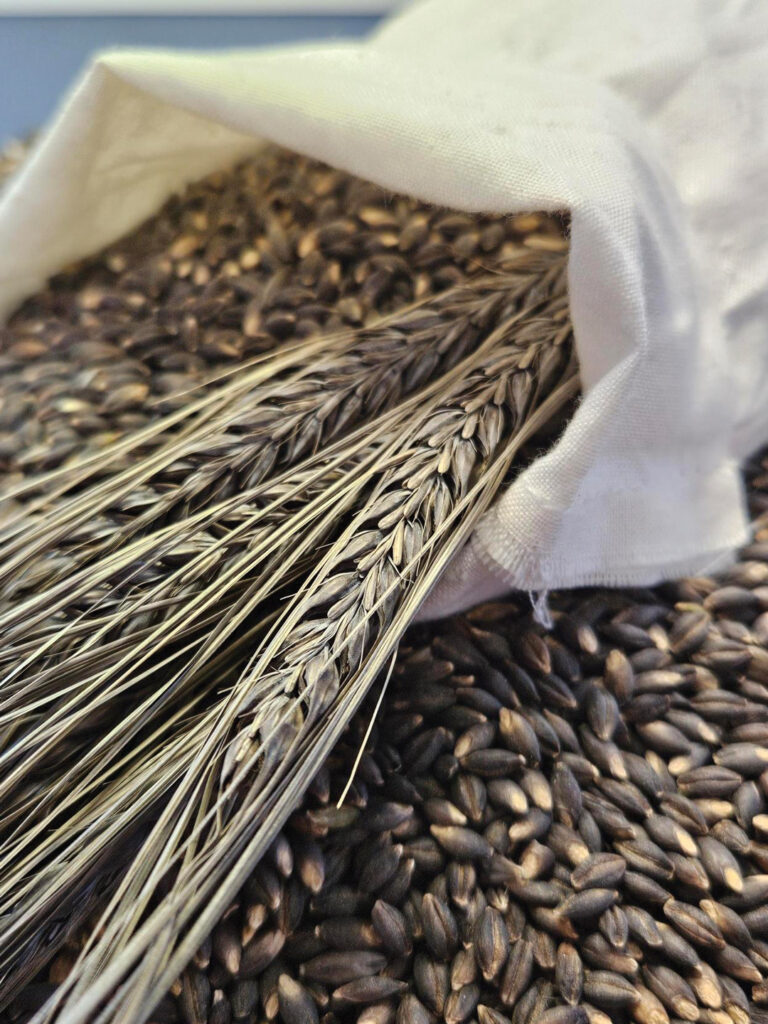
A new hulless food barley variety dubbed “black caviar” is now available for seed companies to license. Produced by a breeder at the Agriculture and Agri-Food Canada Brandon Research and Development Centre, the currently unnamed HB23150 will be available to farmers in two to three years once it is licensed, registered and propogated.

Keep Reading
HIDDEN FIGURES

In markets, no plan can control time. There is a marketing adage that in the long run, we’re all dead. Broadly speaking, the longer the time frame, the greater the market uncertainty. By its nature, farming is challenged by both liquidity and time concerns.

Keep Reading
TAKE IT TO THE TOP

Launched in 2001 to co-ordinate agricultural groups, the Grain Growers of Canada (GGC) is a farmer-led organization that shapes federal decision-making. Taking farm perspectives to Parliament, the organization affects how grain is grown, moved and sold. As GGC marks 25 years as the national voice for grain farmers, its work has never been more necessary. The grain sector is under pressure on several fronts, from trade access to the systems that move grain and support innovation.

Keep Reading
CANADA’S WHEAT BRAND AMBASSADORS

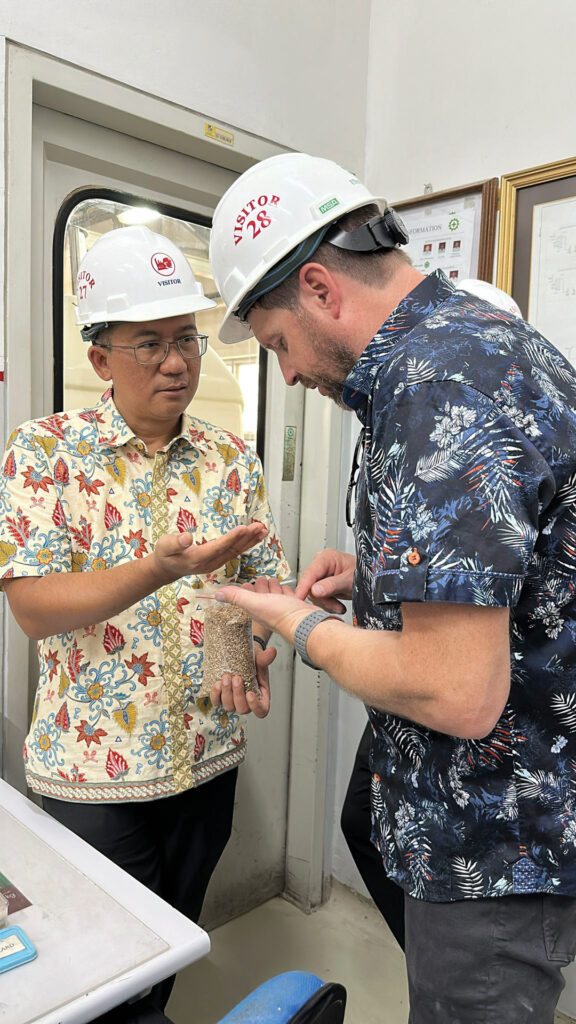
When a Canadian farmer sits across from a miller in Colombia, Japan or Morocco to explain how they manage grain quality from seeding to harvest and storage, it changes the conversation. Last fall, farmers from Alberta Grains, Grain Farmers of Ontario, Manitoba Crop Alliance and SaskWheat travelled to core wheat markets to talk about their production practices. They put a face on the Canadian wheat brand and built the trust that keeps buyers coming back.

Keep Reading
POTENTIAL PROFIT IN SOIL DATA

Olds College Centre for Innovation (OCCI) at Olds College of Agriculture & Technology plays a key part in a national research program studying ways to reduce farm emissions of nitrous oxide (N2O), a potent greenhouse gas. Project data encompasses various crops, environments and regions, and results will potentially boost profits for farmers.

Keep Reading
FORMER MARKET RE-ESTABLISHED

Colombia, a South American country of more than 50 million people, has a long brewing tradition introduced by German and European immigrants in the 18th and 19th centuries. Bavaria, by far the largest brewing company in Colombia, was established in 1889 and grew during the 20th century through a series of mergers to become a near monopoly by 2000. The brewer’s flagship beer brands Aguila and Poker are omnipresent in Colombia. In 2005, Bavaria was purchased by SABMiller and then in 2016 became part of AB InBev when the two global brewing giants merged.

Keep Reading
SELF-DIRECTED STUDIES DELIVER IMPACT

Two Albertans are among the four recipients of 2026 Nuffield Canada Scholarships. Each will receive $20,000 to travel and research a topic of their choosing over a two-year stretch. Scholars join an international cohort founded in the U.K. that focuses on agricultural learning opportunities and knowledge sharing.

Keep Reading
SACRED GROUND

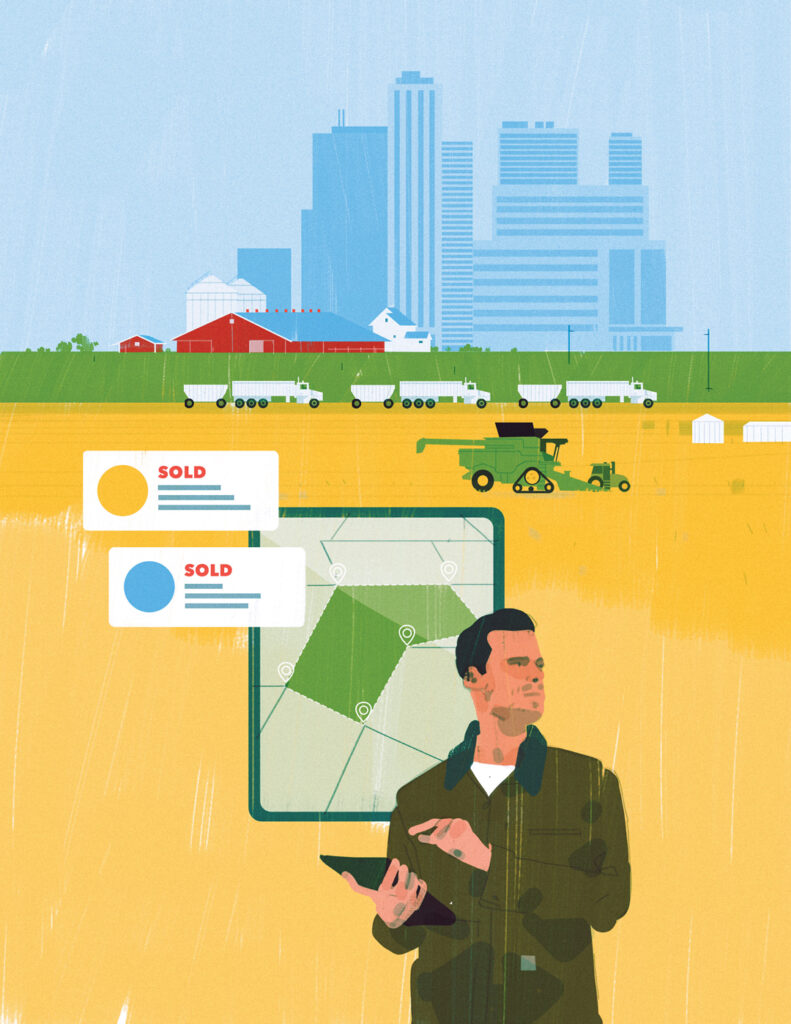
Farmland is sacred, just ask a farmer. Historically, when land changed hands, it was a simple process: Farmer A sold land to Farmer B. However, in the last 20 or so years, a curious trend has emerged. As the farm economy has risen, so has the financial potential of the land as an investment vehicle. The ownership details of Canadian farmland are hard to quantify and lately have generated anger, speculation and plenty of conversation across the Prairies.

Keep Reading
GOOD INTENTIONS, LOW UPTAKE

Long before sustainability became a policy buzzword, farmers worked to protect soil from wind erosion, manage moisture conditions and conserve fuel and other inputs. What’s changed in recent years is the level of public and industry awareness of environmental issues. This has generated a host of funding initiatives directed at conservation, climate and environmental programming in agriculture. Over time, federal and provincial governments have rolled out an ever-growing suite of programs aimed at soil health, biodiversity, water conservation and greenhouse gas reduction.

Keep Reading
Go to TOP