


CALL OF THE ROCKIES
Agricultural tech entrepreneurs need look no further than Alberta to morph their hot concept into a tangible business. This is the aim of Creative Destruction Lab (CDL) Rockies and its new Ag Stream at the University of Calgary.


Agricultural tech entrepreneurs need look no further than Alberta to morph their hot concept into a tangible business. This is the aim of Creative Destruction Lab (CDL) Rockies and its new Ag Stream at the University of Calgary.

With updated legally binding grain declarations in place for Western Canada’s farmers, it’s important to remember that the delivery of grain has been given a new layer of complexity.
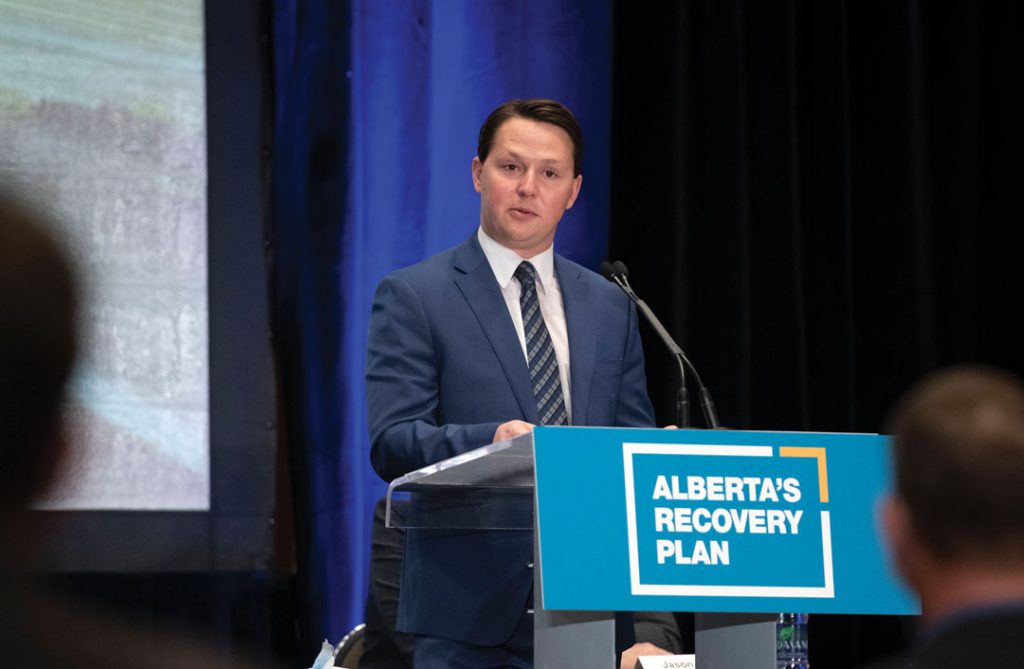
With the initial projects recently announced, the first agriculture industry-related elements of the Alberta Recovery Plan are now up and running. From investment in irrigation infrastructure, to the opening of new international export offices, to new post-secondary research funding, the initiatives are intended to position agriculture and forestry as a part of the solution to Alberta’s economic woes.
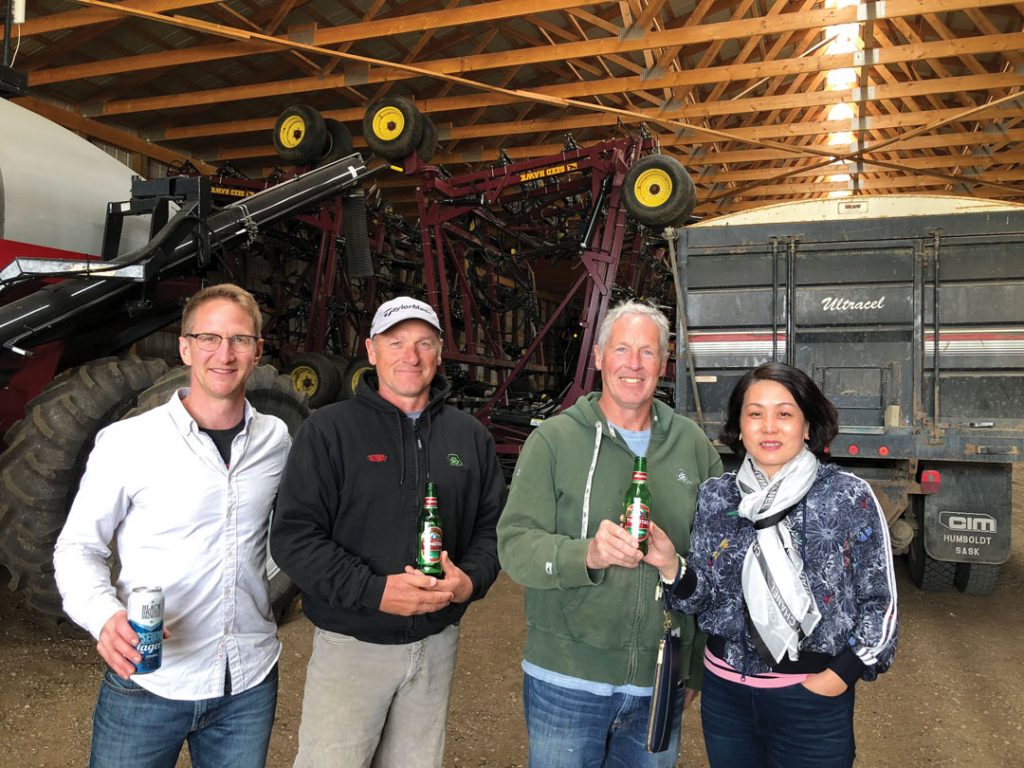
Every other year the Canadian Malting Barley Technical Centre (CMBTC) brings Chinese malt buyers to Western Canada to showcase the year’s malting barley crop. This past year, however, COVID-19 derailed the biennial tour.
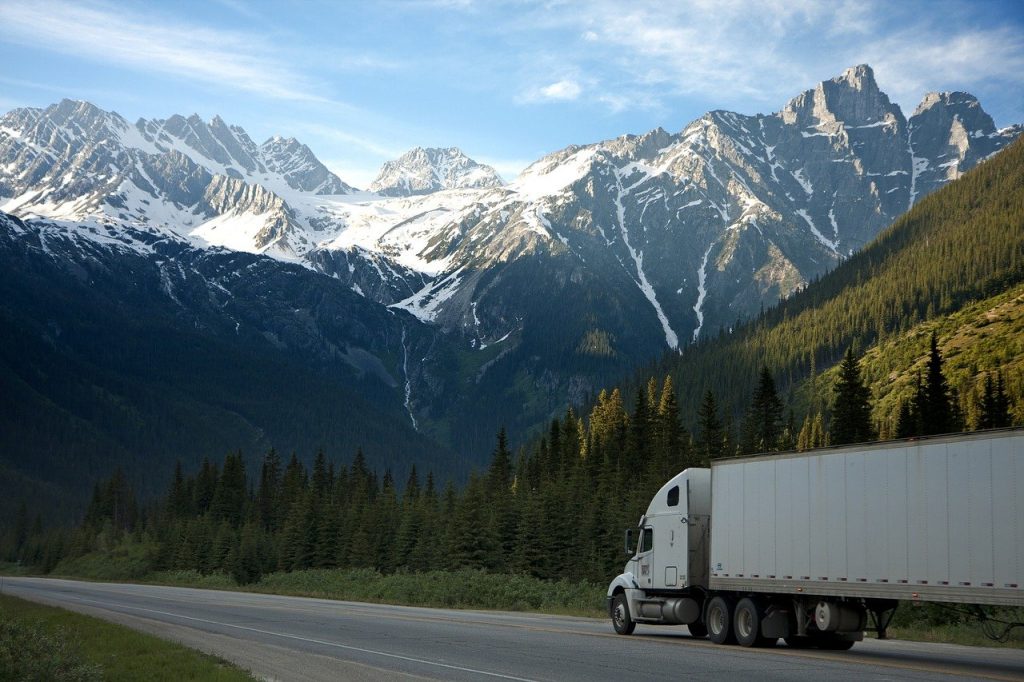
On Nov. 26, 2020, the Alberta government launched its Experience and Equivalency Class 1 MELT Program, which allows farmers and other truck drivers with two or more years of experience to earn a Class 1 commercial licence. Class 3 drivers who qualify can complete a shortened version of the 40-hour Mandatory Entry-Level Training (MELT) program.
A shared value strategy under development in the Canadian grains sector will enable eco-labelling for products made using western Canadian winter wheat, a crop that has seen a years-long decline in Prairie acreage.

The pandemic has made 2020 an interesting year to say the least. The next challenge is to sell the crop in an effective and profitable manner.
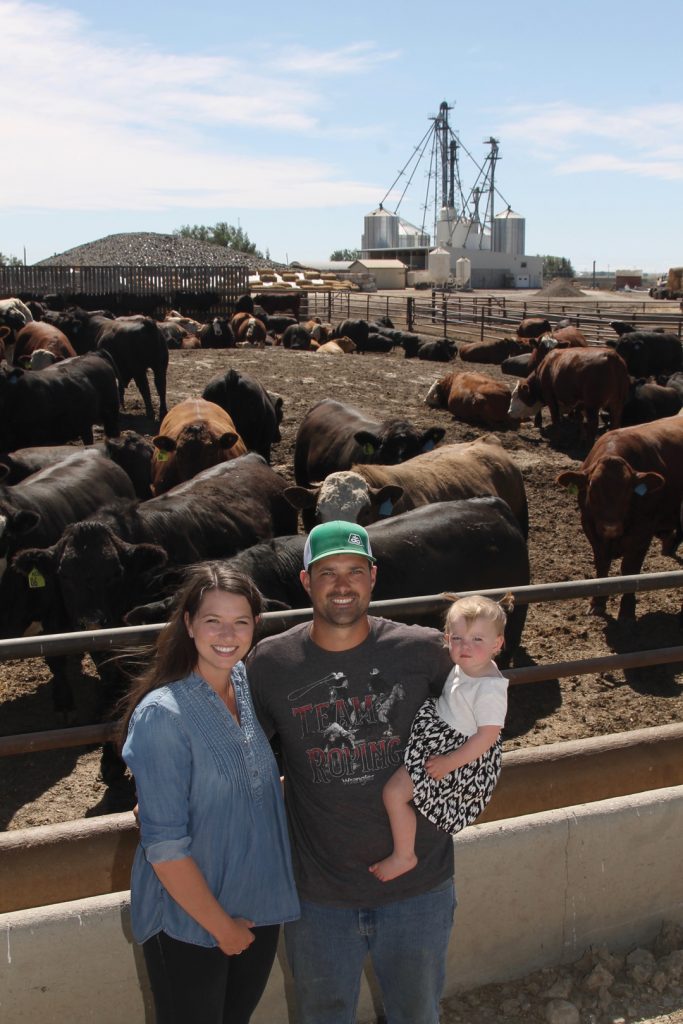
Canadian agriculture has faced COVID-19 issues within every industry subset. Challenges in southern Alberta’s Feedlot Alley, the province’s central hub for feeder cattle, have piled up since early 2019 and the global pandemic was just the latest hit in a whirlwind stretch.
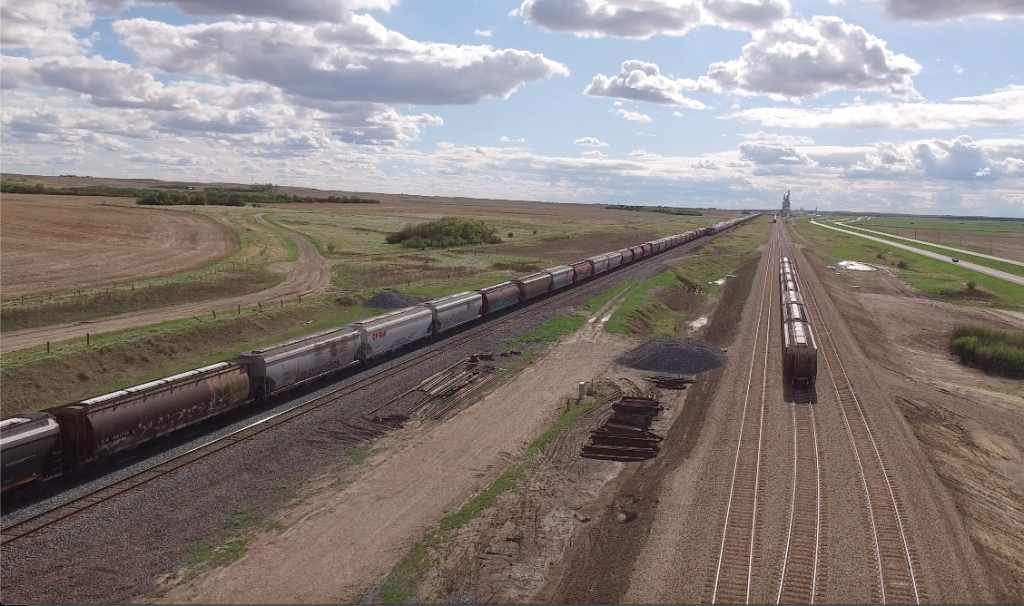
Farmers are excited that redesigned High Efficiency Product trains (HEP trains) are now able to carry substantially more grain than standard configurations, said Monty Reich, general manager of South West Terminal near Gull Lake, SK.
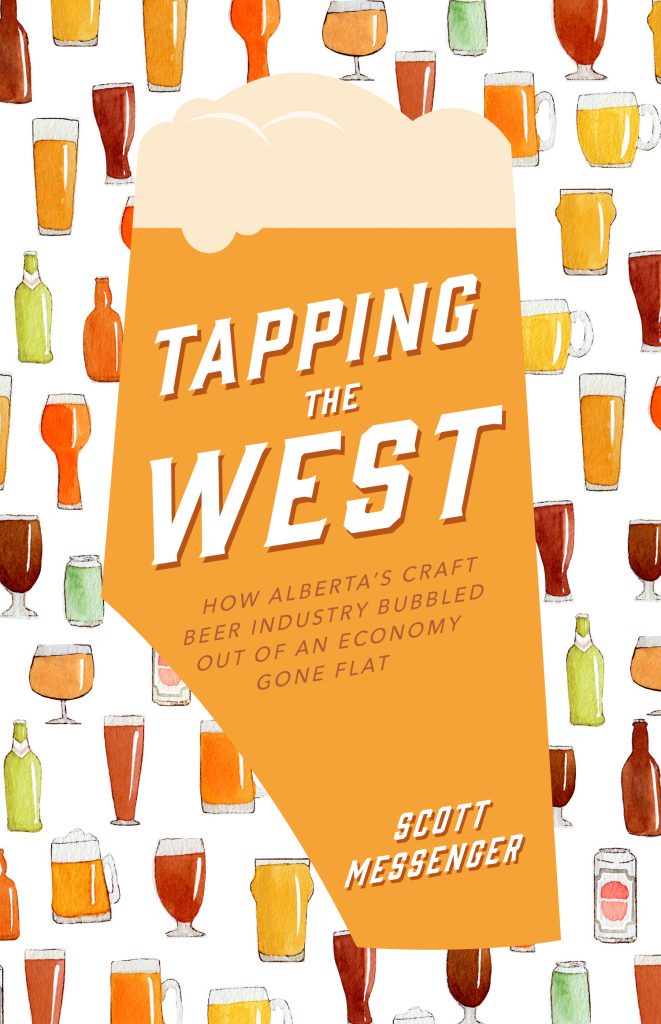
Craft beer has been a wildly effective liquid ambassador for Alberta’s malting barley. The province’s craft beer industry has become emblematic of the high-quality barley grown in this province.